
Before you try another snoring “hack,” run this checklist:
- Confirm the pattern: Is it nightly, position-based, or only after alcohol/travel?
- Protect sleep quality first: Set a consistent wind-down and reduce late caffeine.
- Pick one tool to test: Don’t stack gadgets, sprays, and tapes all at once.
- Know the red flags: choking/gasping, pauses in breathing, morning headaches, heavy daytime sleepiness.
- Choose verification over hype: look for clear design details, not just big promises.
Snoring is having a cultural moment. Sleep trackers are everywhere, “recovery” is a workplace buzzword, and travel fatigue has people chasing any edge. Add relationship humor about “who snores louder,” and it’s no surprise anti-snore devices keep trending. At the same time, headlines about new treatments and better recognition of sleep apnea are pushing the conversation beyond jokes and into real sleep health.
Why is everyone suddenly talking about snoring and sleep apnea?
Because sleep is now treated like performance. People compare sleep scores the way they used to compare step counts. Burnout talk also changed the tone. When you’re running on fumes, a noisy night feels less like an annoyance and more like a problem to solve.
Recent coverage has also highlighted two big themes: research interest in new treatment approaches (including medication studies) and growing awareness that sleep apnea doesn’t always look the same in everyone. If you want a quick snapshot of that research buzz, see this related coverage: A Pill for Sleep Apnea? Clinical Trial Yields Promising Results.
Is snoring “just noise,” or is it hurting sleep quality?
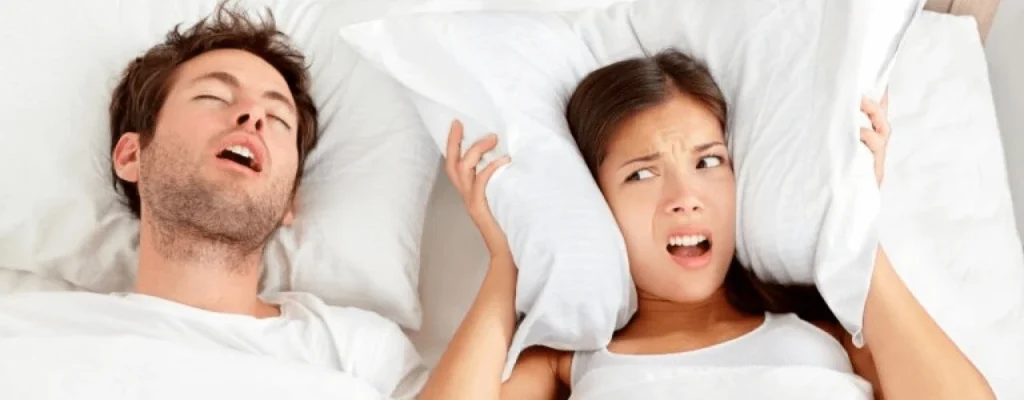
Even when snoring isn’t sleep apnea, it can still damage sleep quality. It fragments sleep for the person snoring and the person listening. That shows up as grogginess, short temper, and the classic “I slept eight hours but feel awful” complaint.
Snoring also tends to get worse when your sleep is already stressed. Think: red-eye flights, hotel pillows, late dinners, and a few drinks at a conference. That’s why snoring often spikes during travel weeks and then becomes a running joke in the group chat.
Quick self-check: what changed?
- New medication, weight change, or nasal congestion?
- More back-sleeping due to shoulder/hip pain?
- More alcohol or later meals?
- More stress and shorter sleep windows?
What exactly is an anti snoring mouthpiece, and who is it for?
An anti snoring mouthpiece is usually designed to change jaw or tongue position during sleep to help keep the airway more open. The most common style is a mandibular advancement device (MAD). It gently holds the lower jaw forward.
People often consider a mouthpiece when snoring is frequent, especially if it’s worse on the back. It’s also a common next step when lifestyle tweaks didn’t move the needle. Many couples like the “quiet fix” angle because it can reduce nightly friction without turning bedtime into a negotiation.
What it’s not
- It’s not a guaranteed cure for sleep apnea.
- It’s not a substitute for a sleep study when symptoms suggest apnea.
- It’s not something you should “power through” if it causes jaw pain.
What should you verify before buying a mouthpiece?
Consumer coverage has been pushing a “verify the details” message lately, and that’s the right instinct. Mouthpieces vary a lot. Some are adjustable MADs. Others are basic guards that don’t meaningfully change airway mechanics.
Use this buyer checklist
- Adjustability: small incremental advancement is easier to tolerate than a fixed, aggressive position.
- Comfort and retention: it should stay in place without clenching all night.
- Materials: look for clear material disclosure and care instructions.
- Return policy: fit is personal; a trial window reduces risk.
- Jaw/TMJ considerations: if you have TMJ issues, be cautious and consider professional guidance.
If you’re comparing options, start here: anti snoring mouthpiece.
How do mouthpieces fit into today’s “sleep gadget” trend?
Sleep gadgets are popular because they feel actionable. A mouthpiece is similar. It’s a physical intervention you can test without changing your whole life. That’s appealing when you’re juggling deadlines, kids, or burnout recovery.
Still, don’t let a sleep score become the boss of you. Use trackers to notice patterns, not to self-diagnose. If your wearable says you slept “fine” but you feel wrecked, trust your symptoms and get checked.
When is snoring a medical red flag (not a relationship joke)?
Snoring becomes more serious when it’s paired with signs of breathing disruption or significant daytime impairment. Sleep apnea can go undetected, and some people don’t fit the stereotype. If you’re tired all day, waking up unrefreshed, or your partner notices pauses in breathing, don’t wait it out.
Get evaluated sooner if you notice:
- Gasping, choking, or witnessed breathing pauses
- Morning headaches or dry mouth most days
- High blood pressure or heart risk factors
- Daytime sleepiness that affects driving or work
Medical disclaimer: This article is for general education and isn’t medical advice. Snoring can have multiple causes. If you suspect sleep apnea or have significant symptoms, talk with a qualified clinician for evaluation and personalized guidance.
Common questions people ask before they try a mouthpiece
Will it work on the first night?
Some people notice a difference quickly. Others need a short adjustment period. Comfort and correct positioning matter more than “toughing it out.”
Can I use it if I’m traveling?
That’s a common use case. Travel fatigue, different pillows, and back-sleeping can make snoring louder. A mouthpiece can be a simple, packable option, but keep it clean and store it properly.
What if my partner is the one snoring?
Make it a joint problem, not a blame game. Share what you’re noticing, focus on sleep quality for both of you, and agree on one change to test for a week.
Next step: If you want a straightforward explainer and product starting point, visit Snorple.