
Blog Post: The Role of Genetics in Snoring and Sleep Disorders
Snoring is a common problem that affects approximately 90 million Americans, according to the National Sleep Foundation. While it may seem like a minor annoyance, snoring can actually be a sign of a more serious underlying issue – sleep disorders. These disorders not only disrupt sleep quality but can also lead to health complications such as high blood pressure, heart disease, and stroke. While lifestyle factors such as weight, alcohol consumption, and sleeping position can contribute to snoring and sleep disorders, recent research has also shown that genetics play a significant role. In this blog post, we will explore the role of genetics in snoring and sleep disorders and how understanding this connection can lead to better treatment and management of these conditions.
The Link Between Genetics and Snoring
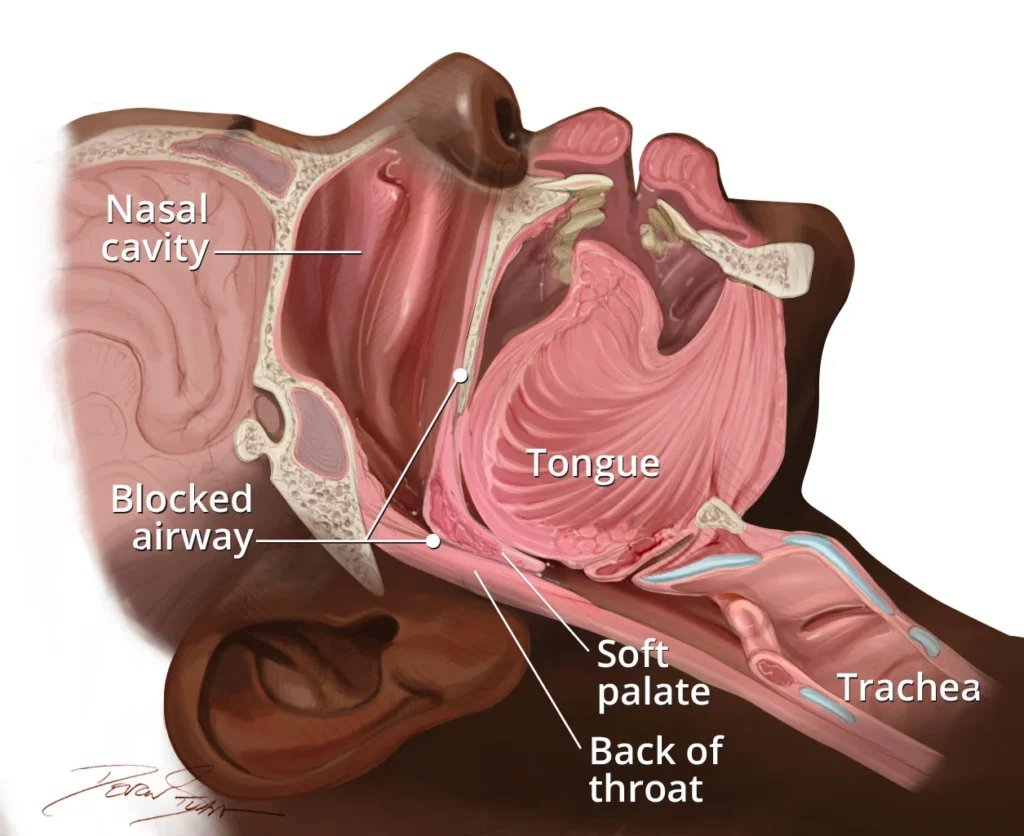
Snoring occurs when the airway becomes partially blocked, causing vibrations in the throat tissues. This can be due to various factors such as enlarged tonsils, a deviated septum, or excess weight around the neck. However, studies have shown that genetics can also play a role in snoring. A study published in the American Journal of Respiratory and Critical Care Medicine found that snoring is linked to a specific gene, known as TBC1D2, which regulates the function of the upper airway muscles. This gene is more prevalent in individuals who snore or have sleep apnea, a sleep disorder characterized by pauses in breathing during sleep.
Another study conducted by researchers at the University of Pennsylvania found that snoring patterns, such as loudness and frequency, are also influenced by genetics. They identified a gene called P2RX7 that is responsible for the production of a protein that regulates the activity of cells in the airway. Variations in this gene can cause the airway muscles to relax, leading to snoring.
The Impact of Genetics on Sleep Disorders
Sleep disorders are conditions that affect the quality, duration, and regularity of sleep. They can range from mild issues such as snoring to more severe conditions like insomnia, sleep apnea, and narcolepsy. While lifestyle factors and environmental influences can contribute to these disorders, research has shown that genetics also play a significant role.
One of the most well-known sleep disorders, sleep apnea, has been linked to genetics. A study published in the Journal of Clinical Sleep Medicine found that individuals with a family history of sleep apnea are more likely to develop the condition themselves. This is because certain genetic variations can affect the structure and function of the upper airway, making it more susceptible to collapse during sleep.
The Role of Genetics in Snoring and Sleep Disorders
Insomnia, a sleep disorder characterized by difficulty falling or staying asleep, has also been linked to genetics. A study published in the journal Sleep found that insomnia has a strong genetic component, with approximately 59% of the risk for developing the disorder attributed to genetic factors. Researchers have identified several genes that may play a role in regulating sleep-wake cycles and the body’s response to stress, both of which can contribute to insomnia.
Using Genetics to Improve Treatment and Management
Understanding the role of genetics in snoring and sleep disorders can lead to more effective treatment and management strategies. For instance, researchers have identified certain genetic markers that can predict an individual’s response to different treatments for sleep apnea. This information can help doctors personalize treatment plans and choose the most effective option for each patient.
Moreover, knowing that genetics play a role in sleep disorders can help individuals take preventative measures. If someone has a family history of sleep apnea, for example, they may be more aware of the symptoms and seek treatment earlier, reducing the risk of complications.
In addition to treatment and management, genetics can also play a role in developing new therapies for sleep disorders. Research is currently underway to identify specific genes and proteins that may be targeted to improve sleep quality and reduce the severity of sleep disorders.
Conclusion
Snoring and sleep disorders can have a significant impact on an individual’s overall health and quality of life. While lifestyle factors and environmental influences can contribute to these conditions, research has shown that genetics also play a significant role. Understanding this connection can lead to more effective treatment and management strategies, as well as the development of new therapies. As genetic research continues to advance, we can expect to see even more progress in the field of sleep medicine.
Summary:
Snoring and sleep disorders affect millions of Americans and can have serious health implications. While lifestyle factors can contribute to these conditions, recent research has shown that genetics also play a significant role. Studies have identified specific genes that are linked to snoring and various sleep disorders, such as sleep apnea and insomnia. Understanding this genetic connection can lead to more personalized treatment plans, earlier detection and prevention, and the development of new therapies. As genetic research in this field continues to advance, we can expect to see even more progress in the treatment and management of snoring and sleep disorders.