
Blog Post: Sleeping Alone? 5 Positions to Help You Stop Snoring and Sleep Better
We all know how important a good night’s sleep is for our overall health and well-being. However, for those who have to sleep alone, it can be a challenging task to get a good night’s rest. One of the main reasons for this is snoring. According to the National Sleep Foundation, nearly 90 million Americans snore, and it is more common in men and people who are overweight. Not only does snoring disrupt your sleep, but it can also lead to health issues like sleep apnea, hypertension, and heart disease. If you’re someone who sleeps alone and struggles with snoring, fret not! In this blog post, we will discuss five sleeping positions that can help you stop snoring and sleep better.
1. Sleeping on Your Side
One of the most common sleeping positions that can help alleviate snoring is sleeping on your side. When you sleep on your back, your tongue and soft palate can collapse onto the back of your throat, causing the vibration and sound of snoring. Sleeping on your side can help keep your airways open, reducing the chances of snoring. An easy way to ensure you sleep on your side is by using a body pillow. You can place the pillow behind your back, preventing you from rolling onto your back while you sleep.
2. The “Log” Position
The “log” position is another effective way to reduce snoring. This position involves lying on your side with your arms straight down by your side. This position helps keep your airways open and prevents your tongue from falling back, causing snoring. If you find it challenging to stay in this position throughout the night, you can try placing a pillow between your knees for additional support and comfort.
3. Sleeping on Your Stomach
While not the most recommended sleeping position for overall health, sleeping on your stomach can help reduce snoring. When you sleep on your stomach, your tongue is less likely to fall back and cause snoring. However, this position can put a strain on your neck and spine, so it’s essential to use a thin pillow to avoid any discomfort.
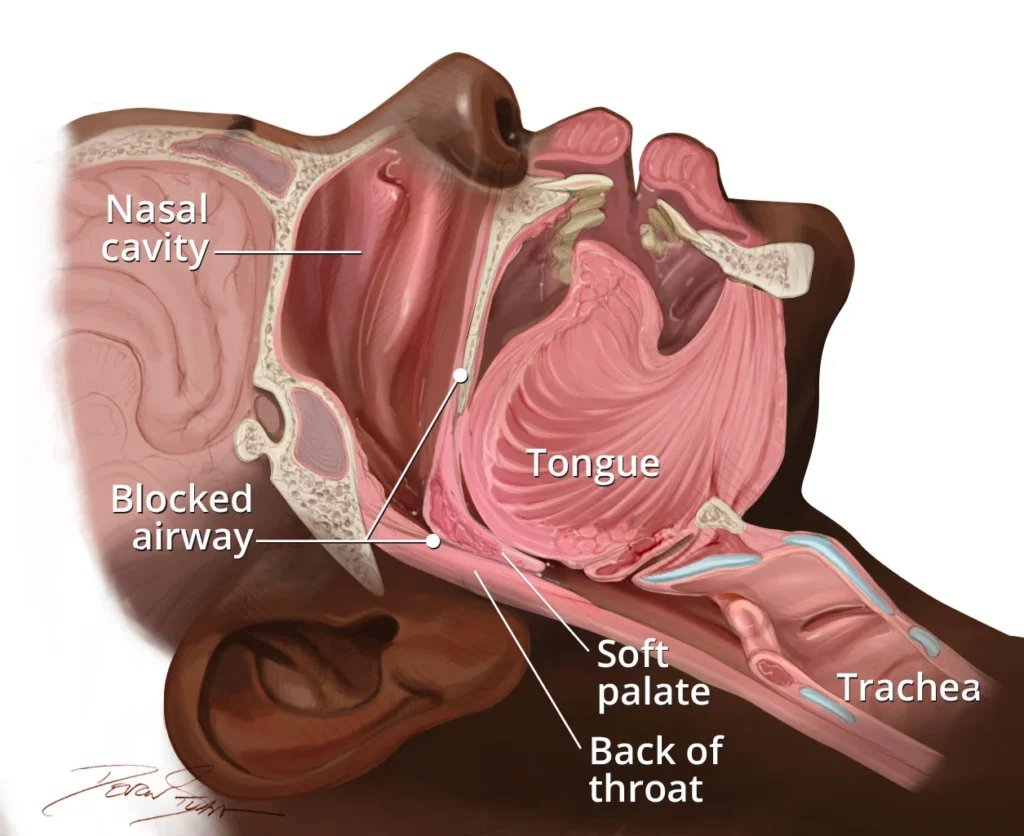
Sleeping Alone? 5 Positions to Help You Stop Snoring and Sleep Better
4. The “Soldier” Position
The “soldier” position is similar to sleeping on your back, but with a slight twist. In this position, you sleep on your back, but with your arms down by your side, rather than up by your head. This position helps keep your airways open and prevent snoring. You can also add a pillow under your knees for added comfort and to keep your airways open.
5. Elevated Head Position
Sometimes, snoring can be caused by nasal congestion or allergies, which can make it difficult to breathe while you sleep. In such cases, elevating your head can help reduce snoring. You can use an extra pillow or invest in an adjustable bed that allows you to elevate your head while you sleep.
In addition to these sleeping positions, there are a few other tips that can help you stop snoring and sleep better. These include maintaining a healthy weight, avoiding alcohol and heavy meals before bedtime, and using nasal strips or nasal dilators to keep your airways open.
In conclusion, sleeping alone does not mean you have to struggle with snoring and poor sleep quality. By incorporating these five sleeping positions and following some simple tips, you can improve your sleep and overall health. Remember, everyone’s body is unique, and what works for one person may not work for another. It’s essential to find the position that works best for you and stick to it to see results.
Summary:
Sleeping alone can be challenging, especially when snoring becomes a problem. Snoring can disrupt your sleep and lead to health issues like sleep apnea, hypertension, and heart disease. However, there are five positions you can try to help you stop snoring and sleep better. These include sleeping on your side, the “log” position, sleeping on your stomach, the “soldier” position, and elevating your head. In addition to these positions, maintaining a healthy weight, avoiding alcohol and heavy meals before bedtime, and using nasal strips or dilators can also help reduce snoring. Remember, everyone’s body is unique, and it’s essential to find the position that works best for you.