
Sleep Tight, Snore No More: 6 Must-Try Anti-Snoring Devices
Snoring is a common problem that affects millions of people worldwide. It not only disrupts the sleep of the snorer but also their partner and other family members. In fact, studies have shown that snoring can lead to relationship problems and can even be a sign of underlying health issues. Fortunately, there are various anti-snoring devices available in the market that can help reduce or eliminate snoring. In this blog post, we will discuss 6 must-try anti-snoring devices that can help you and your loved ones enjoy a peaceful night’s sleep.
1. Continuous Positive Airway Pressure (CPAP) Machine
One of the most effective anti-snoring devices is the Continuous Positive Airway Pressure (CPAP) machine. It consists of a mask that is worn over the nose and mouth while sleeping. The machine delivers a continuous stream of air pressure to keep the airway open and prevent snoring. CPAP machines are often prescribed for individuals with sleep apnea, a disorder in which the airway collapses during sleep, causing pauses in breathing and snoring.
2. Mandibular Advancement Device (MAD)
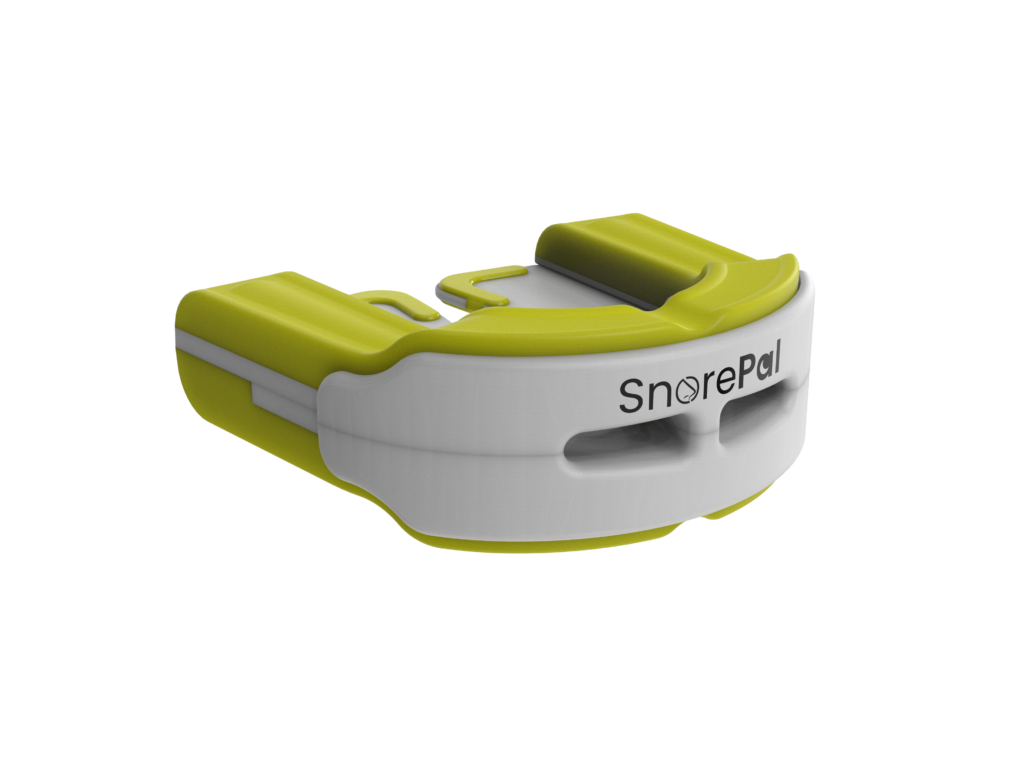
A Mandibular Advancement Device (MAD) is a mouthpiece that is worn during sleep to keep the jaw in a forward position. By doing so, it helps keep the airway open and prevents snoring. MADs are custom-made to fit the individual’s mouth and are a popular choice for individuals who cannot tolerate a CPAP machine. They are also relatively affordable and easy to use.
3. Tongue Stabilizing Device (TSD)
Similar to MADs, Tongue Stabilizing Devices (TSDs) are also worn in the mouth during sleep. However, instead of holding the jaw in place, TSDs work by holding the tongue in a forward position to prevent it from falling back and blocking the airway. TSDs are a good option for individuals who have a small or recessed jaw, as well as those who have difficulty breathing through their nose.
Sleep Tight, Snore No More: 6 Must-Try Anti-Snoring Devices
4. Nasal Dilators
Nasal dilators are small devices that are inserted into the nostrils to keep them open and improve airflow. They are especially useful for individuals who have nasal congestion or a deviated septum, which can contribute to snoring. Some nasal dilators are made of plastic or silicone, while others are adhesive strips that are placed on the outside of the nose.
5. Anti-Snoring Pillows
Anti-snoring pillows are designed to keep the head and neck in a proper alignment to prevent snoring. They come in various shapes and sizes, with some having special features such as a built-in chin strap or elevated sides to keep the jaw in place. Anti-snoring pillows can be a good option for individuals who prefer a non-invasive solution to their snoring.
6. Positional Therapy Devices
Positional therapy devices are specifically designed for individuals who snore only when sleeping in certain positions, such as on their back. These devices can range from special pillows to wearable devices that vibrate or emit a sound when the person changes their position. By encouraging the snorer to sleep on their side, positional therapy devices can help reduce snoring.
In addition to these 6 must-try anti-snoring devices, there are also various lifestyle changes that can help reduce snoring. These include maintaining a healthy weight, avoiding alcohol and sedatives before bedtime, and practicing good sleep hygiene habits.
In conclusion, snoring can be a disruptive and frustrating issue, but with the right anti-snoring device, it can be managed or eliminated. It is essential to consult with a doctor or sleep specialist to determine the underlying cause of snoring and find the most suitable device for your specific needs. With the help of these 6 must-try anti-snoring devices, you and your loved ones can finally enjoy a peaceful and snore-free night’s sleep.