
BLOG POST:
Snoring is a common problem that affects millions of people worldwide. Not only can it disrupt your own sleep, but it can also disturb your partner or anyone else sharing a room with you. While occasional snoring may not be a cause for concern, chronic snoring can be a sign of a more serious underlying health issue. Luckily, there are some simple tricks that can help quiet your snoring for good. In this blog post, we will discuss some of the most effective ways to stop snoring and get a peaceful night’s sleep.
1. Change Your Sleeping Position
One of the most common causes of snoring is sleeping on your back. When you sleep on your back, your tongue and soft palate can relax and block your airway, causing you to snore. To avoid this, try sleeping on your side instead. You can also try elevating your head with an extra pillow to open up your airway and reduce snoring. Another trick is to sew a tennis ball onto the back of your pajamas to prevent you from rolling onto your back while you sleep.
2. Lose Weight
Excess weight around the neck and throat can put pressure on the airway and make snoring worse. Losing weight can help reduce the amount of tissue in your throat and decrease snoring. In fact, studies have shown that losing just 10% of your body weight can significantly improve snoring. So, if you are overweight, incorporating a healthy diet and regular exercise into your routine can help you stop snoring for good.
3. Avoid Alcohol and Sedatives
Alcohol and sedatives can relax the muscles in your throat and make snoring worse. If you are prone to snoring, it is best to avoid these substances before bedtime. Instead, opt for a cup of herbal tea or warm milk to help you relax and sleep better.
4. Keep Your Nasal Passages Clear
Blocked nasal passages can make it difficult to breathe and force you to breathe through your mouth, leading to snoring. To keep your nasal passages clear, try using a saline nasal spray or a neti pot before bed. These can help flush out any mucus and reduce congestion. You can also try using nasal strips or a nasal dilator to help open up your airway.
5. Use a Humidifier
Dry air can irritate your nasal passages and throat, making you more likely to snore. Using a humidifier in your bedroom can add moisture to the air and help keep your airway lubricated. This can reduce snoring and help you breathe more easily.
Simple Tricks to Quiet Your Snoring for Good
6. Quit Smoking
Smoking irritates the tissues in your throat and can lead to inflammation and congestion, making snoring worse. Quitting smoking not only has numerous health benefits, but it can also significantly reduce snoring. If you need help quitting, consult with your doctor for a personalized plan.
7. Try Oral Appliances
Oral appliances are devices that can be worn in the mouth to keep your airway open while you sleep. They work by repositioning your jaw or tongue to prevent them from blocking your airway. These devices can be purchased over the counter, but it is best to consult with a dentist or doctor to find the right one for you.
8. Practice Good Sleep Hygiene
Having a consistent sleep schedule and practicing good sleep hygiene can also help reduce snoring. Avoid caffeine and heavy meals close to bedtime, and make sure your bedroom is dark, quiet, and comfortable. A good night’s sleep can help prevent fatigue and keep your airway open, reducing your chances of snoring.
9. Treat Allergies and Sinus Problems
Allergies and sinus problems can cause congestion and make it difficult to breathe through your nose, leading to snoring. If you suffer from allergies or sinus issues, consult with a doctor to find the best treatment for you. This may include allergy shots, medication, or even surgery in severe cases.
10. Seek Medical Attention
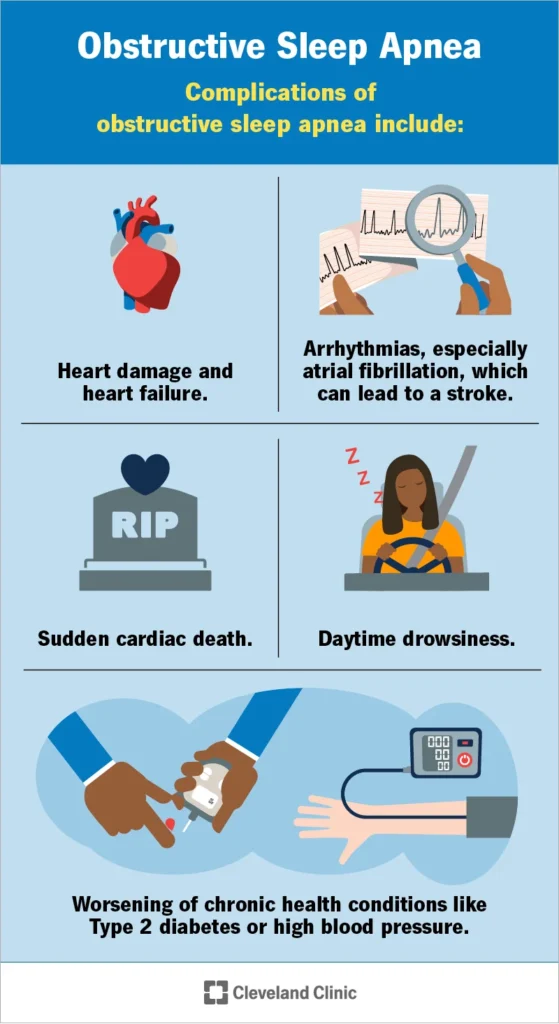
If none of the above tricks help quiet your snoring, it is important to seek medical attention. Chronic snoring can be a sign of sleep apnea, a serious sleep disorder in which breathing repeatedly stops and starts during sleep. Sleep apnea has been linked to various health issues, including high blood pressure, heart disease, and stroke. A doctor can diagnose and treat sleep apnea with various methods, including continuous positive airway pressure (CPAP) therapy.
SUMMARY:
Snoring can be a nuisance for both the snorer and those around them. However, by incorporating some simple tricks into your daily routine, you can reduce or even eliminate snoring for good. Changing your sleeping position, losing weight, avoiding alcohol and sedatives, keeping your nasal passages clear, using a humidifier, quitting smoking, trying oral appliances, practicing good sleep hygiene, treating allergies and sinus problems, and seeking medical attention if needed can all help you stop snoring and get a peaceful night’s sleep.