
Blog Post:
Sleep is a vital part of our daily routine, and it plays an essential role in our overall health and well-being. However, there are many common myths surrounding sleep, specifically snoring and sleepwalking, which can lead to confusion and misinformation. In this blog post, we will debunk some of the most common myths about snoring and sleepwalking.
Myth #1: Snoring Is Just a Minor Annoyance
Many people believe that snoring is just a minor annoyance and has no significant impact on their health. However, snoring can be a sign of a more serious underlying condition, such as sleep apnea. Sleep apnea is a sleep disorder where a person’s breathing repeatedly stops and starts, leading to interrupted and poor quality sleep. If left untreated, sleep apnea can increase the risk of high blood pressure, heart disease, stroke, and other health issues.
Myth #2: Only Overweight or Elderly People Snore
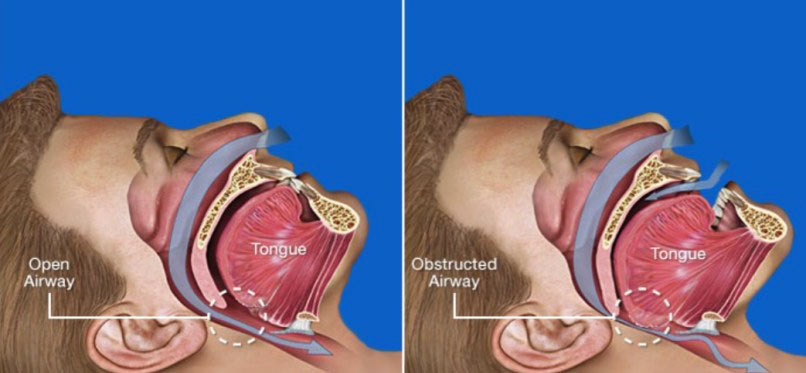
While being overweight or elderly can increase the likelihood of snoring, anyone can snore, regardless of their age or weight. Snoring occurs when the airway is partially blocked, causing vibrations in the throat, resulting in the characteristic snoring sound. Factors like genetics, allergies, nasal congestion, and sleep position can also contribute to snoring.
Myth #3: Snoring Is Harmless
As mentioned earlier, snoring can be a sign of a more severe sleep disorder like sleep apnea. It can also lead to daytime sleepiness, irritability, and difficulty concentrating, affecting a person’s overall quality of life. Snoring can also disrupt the sleep of others, causing strain on relationships and affecting their sleep quality as well.
Myth #4: There Is No Cure for Snoring
While there is no one-size-fits-all solution for snoring, there are many treatments available to reduce or eliminate snoring. These include lifestyle changes such as weight loss, avoiding alcohol and sedatives before bedtime, and sleeping on your side instead of your back. Medical treatments like oral appliances, continuous positive airway pressure (CPAP) machines, and surgery can also be effective in treating snoring.
Myth #5: Sleepwalking Is Just a Phase
Sleepwalking, also known as somnambulism, is a sleep disorder where a person carries out activities while asleep, typically during the first few hours of deep sleep. Many people believe that sleepwalking is just a phase that people eventually grow out of, but this is not always the case. While it is more common in children, adults can also experience sleepwalking, and it can be a lifelong condition.
Common Myths About Snoring and Sleepwalking
Myth #6: You Shouldn’t Wake a Sleepwalker
It is a common belief that you should never wake a sleepwalker, as it can be dangerous or cause them to have a heart attack. However, this is just a myth. While it is true that waking a sleepwalker can be disorienting and cause them to act irrationally, it is not harmful. In fact, it is safer to wake a sleepwalker gently and guide them back to bed than to let them continue their activities while asleep.
Myth #7: Sleepwalking Only Happens at Night
Contrary to popular belief, sleepwalking can occur at any time of the day, not just at night. It is more likely to happen during the first few hours of deep sleep, but it can also occur during non-REM sleep or even during a daytime nap. Sleepwalking is also more common in people who are sleep deprived or have irregular sleep schedules.
Myth #8: Sleepwalking Is Caused by Dreams
While dreams can trigger sleepwalking episodes, the two are not directly related. Sleepwalking is a disorder that occurs during deep sleep, while dreams occur during REM sleep. People who sleepwalk are not acting out their dreams but are in a state of partial wakefulness.
Myth #9: Sleepwalking Is a Sign of Mental Illness
There is a common misconception that sleepwalking is a sign of mental illness. However, sleepwalking is a sleep disorder and is not associated with any mental health condition. It can occur in people with no history of mental illness and is usually not a cause for concern unless it becomes frequent or dangerous.
Myth #10: Sleepwalking Is Always Dangerous
While it is true that sleepwalking can be dangerous in some cases, it is not always the case. In most instances, sleepwalkers simply wander around or perform mundane tasks like getting dressed or making a snack. However, in rare cases, sleepwalking can lead to injuries, especially if the person sleepwalks outside or near stairs or other hazards.
In conclusion, there are many common myths surrounding snoring and sleepwalking. It is essential to educate ourselves and separate fact from fiction to better understand these sleep disorders. If you or a loved one experience chronic snoring or sleepwalking, it is best to consult a doctor for proper diagnosis and treatment.
Summary:
In this blog post, we debunked 10 common myths about snoring and sleepwalking. Contrary to popular belief, snoring is not just a minor annoyance, and it can be a sign of a more serious underlying condition. Anyone can snore, and there are various treatments available to reduce or eliminate snoring. Sleepwalking is not just a phase and can occur at any time of the day. It is also not caused by dreams and is not a sign of mental illness. While sleepwalking can be dangerous in some cases, it is not always the case. If you or a loved one experience chronic snoring or sleepwalking, it is best to consult a doctor for proper diagnosis and treatment.