
Snoring and sleep apnea are common sleep disorders that can greatly impact one’s quality of life. While there are various causes and treatments for these conditions, one factor that is often overlooked is daily habits. Certain habits can contribute to the worsening of snoring and sleep apnea, making it crucial to identify and address them for better sleep and overall health. In this blog post, we will discuss some common habits that can worsen snoring and sleep apnea.
1. Smoking:
Smoking is not only harmful to overall health but can also worsen snoring and sleep apnea. The chemicals in cigarettes irritate the tissues in the throat and nose, causing congestion and inflammation. This can lead to more frequent snoring and can also increase the severity of sleep apnea episodes. Quitting smoking can greatly improve these conditions and overall sleep quality.
2. Alcohol consumption:
Alcohol is a known muscle relaxant, and consuming it before bedtime can lead to relaxation of the muscles in the throat and tongue. This can cause the airway to become narrower, making it more difficult to breathe and increasing the risk of snoring and sleep apnea. Limiting or avoiding alcohol before bedtime can help improve these conditions.
3. Sleeping position:
The position in which you sleep can also affect snoring and sleep apnea. Sleeping on your back can cause the tongue to fall back and block the airway, leading to snoring and sleep apnea. This is because the muscles in the throat and tongue are more relaxed in this position. Sleeping on your side or using a body pillow to keep you on your side can help prevent snoring and improve sleep apnea.
4. Sedatives and sleeping pills:
Similar to alcohol, sedatives and sleeping pills can also relax the muscles in the throat and tongue, making it more difficult to breathe. These medications can also affect the sleep cycle, leading to poorer sleep quality and worsening of sleep apnea. It is important to consult with a doctor before taking any sleep aids and to explore alternative treatments for better sleep.
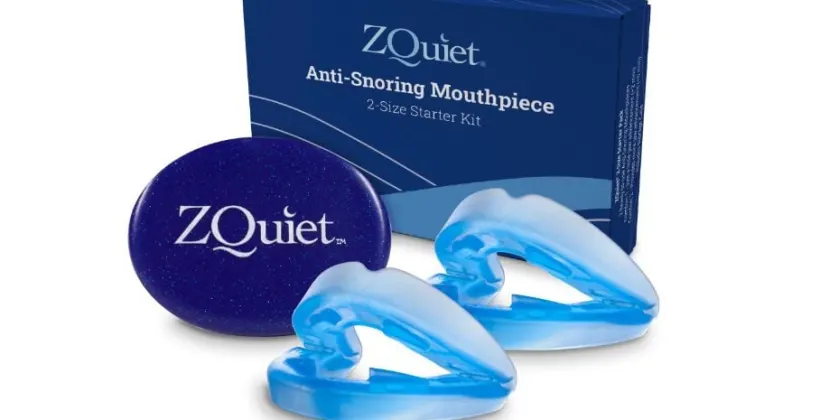
Habits That Can Worsen Snoring and Sleep Apnea
5. Being overweight:
Obesity is a common risk factor for snoring and sleep apnea. Excess weight can cause the tissues in the throat to become thicker, leading to airway obstruction and snoring. It can also put pressure on the chest and lungs, making it more difficult to breathe during sleep. Maintaining a healthy weight through diet and exercise can greatly improve snoring and sleep apnea.
6. Nasal congestion:
Nasal congestion can also worsen snoring and sleep apnea. When the nose is blocked, one tends to breathe through the mouth, which can lead to dryness and irritation of the throat, causing snoring. Nasal congestion can also make it harder to breathe, leading to more frequent sleep apnea episodes. Using a humidifier, nasal strips, or saline nasal sprays can help alleviate congestion and improve breathing.
7. Poor sleep hygiene:
Having poor sleep hygiene can also contribute to snoring and sleep apnea. This includes irregular sleep schedules, using electronic devices before bed, and having a cluttered or uncomfortable sleep environment. Poor sleep hygiene can disrupt the sleep cycle and lead to poorer sleep quality, making snoring and sleep apnea worse. Establishing a consistent sleep schedule, avoiding screens before bedtime, and creating a comfortable sleep environment can greatly improve these conditions.
In conclusion, habits play a significant role in the development and worsening of snoring and sleep apnea. By addressing these habits, one can greatly improve their sleep quality and overall health. It is important to consult with a doctor if snoring and sleep apnea persist, as they can be symptoms of other underlying health issues. By making small changes to daily habits, one can achieve better sleep and a healthier lifestyle.
Summary:
Snoring and sleep apnea are common sleep disorders that can greatly impact one’s quality of life. While there are various causes and treatments for these conditions, daily habits can also contribute to their worsening. Smoking, alcohol consumption, sleeping position, sedatives and sleeping pills, being overweight, nasal congestion, and poor sleep hygiene are some common habits that can worsen snoring and sleep apnea. By addressing these habits, one can greatly improve their sleep quality and overall health. It is important to consult with a doctor if these conditions persist, as they can be symptoms of other underlying health issues.