
The Future of Treatment for Snoring and Sleep Apnea: What’s to Come?
Snoring and sleep apnea are two common sleep disorders that can have a significant impact on a person’s overall health and quality of life. Snoring, which is caused by the vibration of tissues in the upper airway, can lead to disrupted sleep for both the snorer and their partner. Sleep apnea, on the other hand, is a more serious condition where a person’s breathing repeatedly stops and starts while they sleep. This can lead to a host of health issues, including high blood pressure, heart disease, and even stroke. Fortunately, there have been significant advancements in the treatment of these conditions, and the future looks even more promising. In this blog post, we will explore the current state of treatment for snoring and sleep apnea and what we can expect in the future.
Current Treatment Options
Currently, the most common treatment for snoring and mild to moderate sleep apnea is the use of a continuous positive airway pressure (CPAP) machine. This device delivers a steady stream of air through a mask worn over the nose or mouth, keeping the airway open and allowing for uninterrupted breathing. While CPAP machines are effective, they can be uncomfortable and inconvenient for some people, leading to low compliance rates. Additionally, they do not address the underlying cause of snoring and sleep apnea, which is often related to the structure of the upper airway.
Another common treatment option is oral appliances, which are custom-made devices worn in the mouth to keep the airway open. These devices are less invasive than CPAP machines and can be more comfortable, but they may not be as effective for severe cases of sleep apnea. Surgery is also an option for those with severe sleep apnea, but it is typically reserved for cases where other treatments have failed.
The Future of Treatment
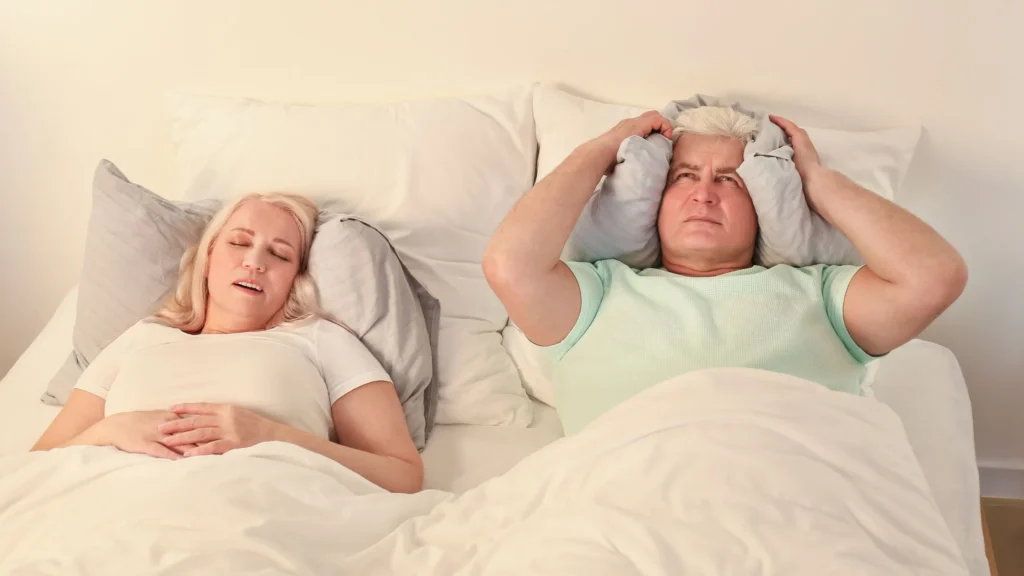
The Future of Treatment for Snoring and Sleep Apnea: What's to Come?
As technology continues to advance, so do the possibilities for treating snoring and sleep apnea. One promising area of development is the use of electronic devices to stimulate the muscles in the upper airway, keeping them open during sleep. This method, known as hypoglossal nerve stimulation, has shown promising results in clinical trials and could offer a more comfortable and convenient alternative to CPAP machines.
Another area of innovation is the use of 3D printing technology to create personalized oral appliances for the treatment of snoring and sleep apnea. These devices can be precisely tailored to fit each individual’s unique anatomy, offering a more effective and comfortable treatment option.
In addition to these advancements in technology, there is also a growing interest in alternative treatments such as acupuncture and myofunctional therapy. These methods aim to address the underlying causes of snoring and sleep apnea, such as weak muscles in the mouth and throat, through non-invasive techniques.
Prevention and Early Intervention
While these new treatment options show promise, the future of snoring and sleep apnea treatment may also focus on prevention and early intervention. By identifying and addressing risk factors for these conditions, such as obesity and smoking, we can reduce the likelihood of developing them in the first place. This could include education and lifestyle interventions, as well as screening for sleep disorders during routine medical check-ups.
Summary
Snoring and sleep apnea are common sleep disorders that can have a significant impact on a person’s health and quality of life. While CPAP machines, oral appliances, and surgery are currently the most common treatment options, the future looks promising with advancements in technology, such as hypoglossal nerve stimulation and 3D printing. Additionally, there is a growing interest in alternative treatments and a focus on prevention and early intervention to reduce the prevalence of these conditions.