
Blog Post:
Allergies are a common problem for many people, and they can cause a range of symptoms such as sneezing, coughing, and nasal congestion. However, one of the most frustrating symptoms for both the sufferer and their partner is snoring and sniffling at night. Not only can it disrupt sleep, but it can also lead to other health issues such as fatigue, irritability, and even relationship problems. That’s why finding relief for these symptoms is crucial for allergy sufferers. In this blog post, we will discuss the causes of snoring and sniffling, how allergies can contribute to these symptoms, and most importantly, ways to stop them for a better night’s sleep.
The Causes of Snoring and Sniffling:
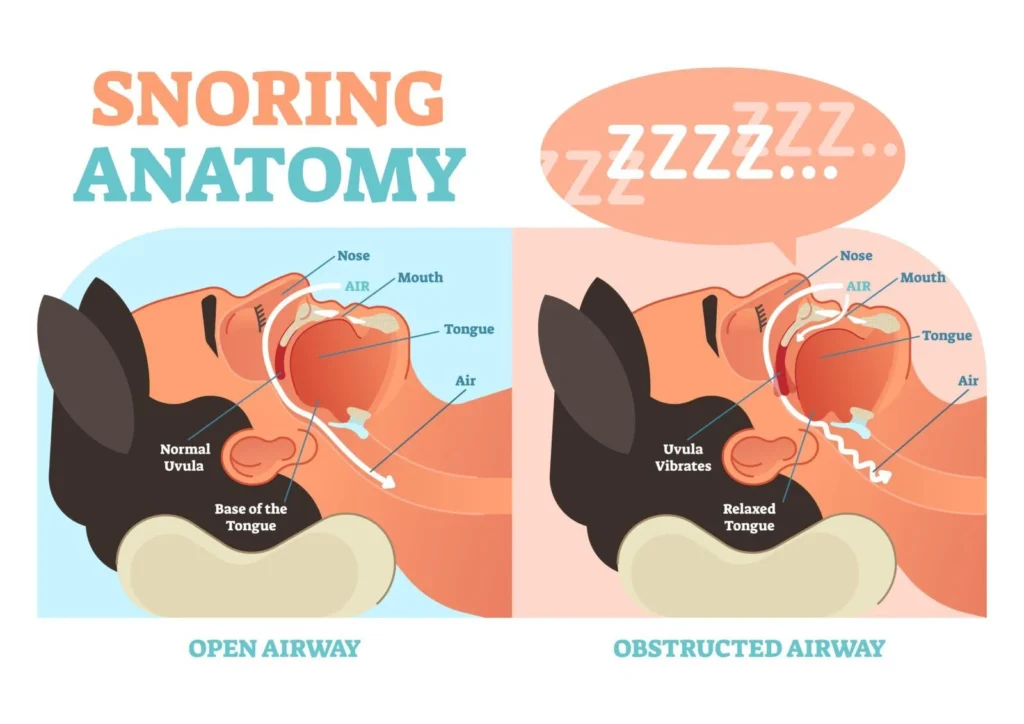
Before we dive into how allergies can contribute to snoring and sniffling, let’s first understand what causes these symptoms. Snoring is a common condition where the muscles and tissues in the throat relax and vibrate, causing a snoring sound. It can be caused by several factors such as obesity, alcohol consumption, smoking, and certain medications. On the other hand, sniffling is the result of nasal congestion, which is the swelling and inflammation of the nasal passages. This can be caused by allergies, colds, or sinus infections.
How Allergies Contribute to Snoring and Sniffling:
Allergies play a significant role in both snoring and sniffling. Allergens, such as pollen, dust mites, and pet dander, can cause inflammation and irritation in the nasal passages, leading to congestion and sniffling. In some cases, allergies can also trigger an allergic reaction in the throat, causing the muscles to relax and vibrate, resulting in snoring. Additionally, allergies can also cause post-nasal drip, where excess mucus drips down the back of the throat, leading to coughing and snoring.
Ways to Stop the Snoring and Sniffling:
Fortunately, there are several ways to stop snoring and sniffling caused by allergies. Here are some effective methods that can provide relief for allergy sufferers:
1. Identify and Avoid Allergens:
The first step to stopping snoring and sniffling is to identify and avoid allergens that trigger your symptoms. This may require some detective work, but it’s worth it in the long run. Keep a journal of your symptoms and try to identify patterns. Additionally, you can also get an allergy test to pinpoint the specific allergens to avoid.
2. Keep Your Bedroom Clean:
Dust mites and pet dander are common allergens that can trigger snoring and sniffling. To reduce their presence in your bedroom, make sure to regularly clean and vacuum your bedroom, including your bedding and curtains. Wash your sheets and pillowcases at least once a week in hot water to kill any dust mites. If you have pets, try to keep them out of your bedroom to minimize exposure to pet dander.
Stop the Snoring and Sniffling: Relief for Allergy Sufferers
3. Use Nasal Sprays:
Nasal sprays can provide quick relief for nasal congestion caused by allergies. They work by shrinking the blood vessels in the nasal passages, reducing inflammation and opening up the airways. However, it’s essential to use them as directed and not for an extended period as they can cause a rebound effect.
4. Try Nasal Strips:
Nasal strips can also help with snoring caused by allergies. They work by lifting and widening the nasal passages, allowing for better airflow and reducing snoring. They are also non-invasive and can provide immediate relief.
5. Consider Allergy Medications:
If your allergies are severe, you may need to consider allergy medications such as antihistamines or decongestants. These can help reduce inflammation, congestion, and other allergy symptoms. However, it’s crucial to consult with a doctor before taking any medication to ensure safety and effectiveness.
6. Use a Humidifier:
Dry air can irritate the nasal passages and make congestion worse. Using a humidifier can add moisture to the air, reducing nasal congestion and snoring. However, make sure to clean and maintain the humidifier regularly to prevent the growth of mold and bacteria.
7. Elevate Your Head:
Elevating your head while sleeping can also help with snoring caused by allergies. It can prevent the tongue and soft tissues from blocking the airway, reducing snoring. You can use extra pillows or invest in an adjustable bed to achieve the desired elevation.
In Summary:
Snoring and sniffling are common symptoms of allergies that can disrupt sleep and cause other health issues. By identifying and avoiding allergens, keeping your bedroom clean, and trying different remedies such as nasal sprays, nasal strips, and allergy medications, you can find relief for these symptoms. Additionally, using a humidifier, elevating your head while sleeping, and seeking medical advice can also help with snoring and sniffling caused by allergies. Remember, finding the right solution may require some trial and error, but don’t give up, a good night’s sleep is worth it!