
Blog Post:
Snoring is a common problem that affects millions of people around the world. It not only disrupts the sleep of the snorer, but also their partner and other family members. While there are various factors that can contribute to snoring, one that is often overlooked is genetics. Yes, your genes can play a role in whether or not you snore. In this blog post, we will explore the connection between genetics and snoring, and what you need to know about it.
Understanding Genetics:
Before we dive into the link between genetics and snoring, it’s important to have a basic understanding of genetics. Our genes are the units of heredity that are passed down from our parents. They determine various physical and behavioral traits, such as eye color, height, and even certain health conditions. We inherit half of our genes from our mother and half from our father, which means that we can inherit certain traits or conditions from either one of them.
The Role of Genetics in Snoring:
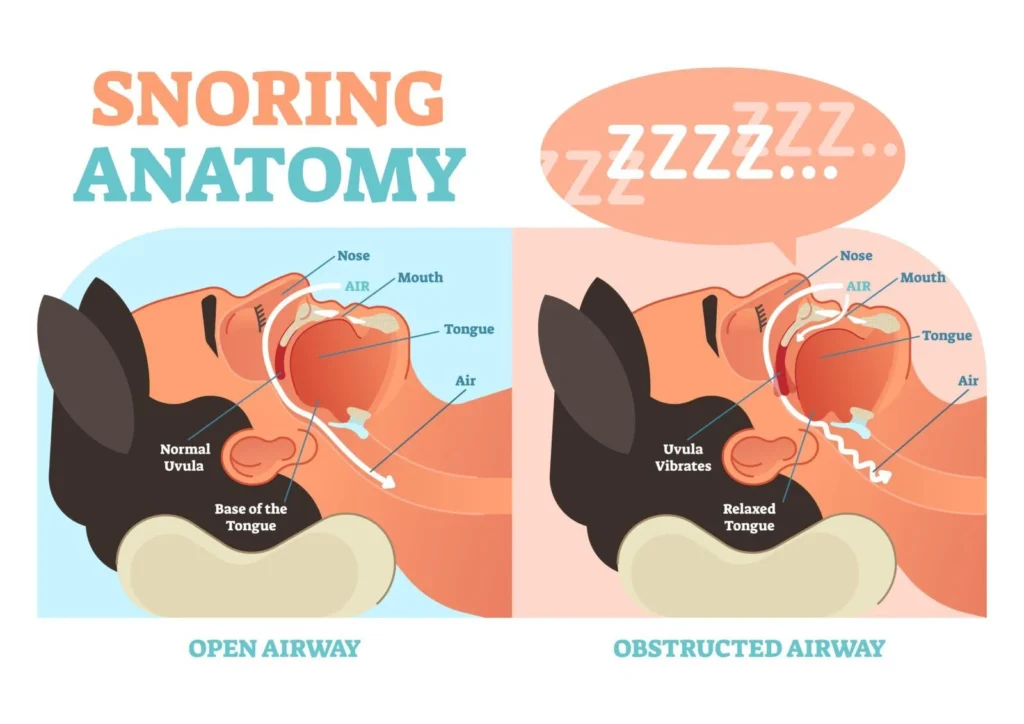
So, how do genetics play a role in snoring? It all comes down to the anatomy and structure of our airways. Our airways are made up of soft tissues, including the uvula, tonsils, and soft palate. These tissues can become relaxed and vibrate when we sleep, causing the sound of snoring. In some people, these tissues are naturally larger or more relaxed, making them more prone to snoring. This can be influenced by genetics.
Research has shown that certain genetic variations can affect the size and function of these soft tissues in the airway. For example, a study published in the American Journal of Respiratory and Critical Care Medicine found that variations in a gene called “CTNNBL1” may contribute to the development of obstructive sleep apnea, a condition closely related to snoring. This gene is responsible for controlling the development of the upper airway muscles, and any variations can lead to an increased risk of snoring and sleep apnea.
Apart from this, there are also other genetic factors that can contribute to snoring, such as the shape and size of the face and jaw. People with a narrow jaw or a small facial structure may have a smaller airway, making them more prone to snoring. These traits are often inherited from our parents.
Environmental Factors:
While genetics can play a significant role in snoring, it’s important to note that they are not the sole cause. Environmental factors can also contribute to snoring. For example, being overweight or having a sedentary lifestyle can increase your risk of snoring. These factors can be influenced by our lifestyle choices and habits, rather than our genes.
Additionally, certain lifestyle habits, such as smoking and excessive alcohol consumption, can also contribute to snoring. These habits can cause inflammation and irritation in the airway, making it more likely for the soft tissues to vibrate and produce the sound of snoring.
The Connection Between Genetics and Snoring: What You Need to Know
What Can You Do About It?
If you have a family history of snoring or sleep apnea, there’s a higher chance that you may also suffer from it. However, this doesn’t mean that you are destined to snore forever. There are various lifestyle changes and treatments that can help alleviate snoring, regardless of your genetics.
Lifestyle Changes:
The first step in managing snoring is to make some lifestyle changes. Losing weight, quitting smoking, and reducing alcohol consumption can all help improve the symptoms of snoring. These habits not only benefit your overall health but can also reduce the risk of snoring by decreasing inflammation in the airway and promoting better muscle tone.
Sleeping Position:
Changing your sleeping position may also help reduce snoring. Sleeping on your back can cause the tongue to fall back and block the airway, leading to snoring. Sleeping on your side can help keep the airway open and reduce the likelihood of snoring.
Medical Treatments:
If lifestyle changes do not provide sufficient relief, there are various medical treatments available for snoring. These include oral devices that help keep the airway open, nasal strips that widen the nasal passages, and continuous positive airway pressure (CPAP) machines that deliver a steady flow of air to keep the airway open.
In some cases, surgery may also be recommended to correct any structural issues in the airway. However, this is usually considered as a last resort and only recommended in severe cases.
In conclusion, while genetics can play a role in snoring, it is not the sole cause. Environmental factors and lifestyle habits also contribute to snoring. Understanding the connection between genetics and snoring can help you make informed decisions and take necessary steps to manage it. Making lifestyle changes, choosing the right sleeping position, and seeking medical treatments, if needed, can all help alleviate snoring and improve your overall sleep quality.
Summary:
Snoring is a common problem that can affect anyone, but did you know that genetics can play a role in it? Our genes can influence the size and function of our airway tissues, making us more prone to snoring. However, environmental factors and lifestyle habits also contribute to snoring. By understanding this connection between genetics and snoring, you can make informed decisions to manage it. Making lifestyle changes, choosing the right sleeping position, and seeking medical treatments, if needed, can all help alleviate snoring and improve your sleep quality.