
Blog Post:
Do you or your partner struggle with snoring? It’s a common problem that can not only disrupt your sleep but also affect your overall health and well-being. While there are various snoring solutions out there, one often overlooked factor is the type of mattress you sleep on. Believe it or not, your mattress can play a significant role in snoring and getting a good night’s sleep. In this blog post, we will discuss the importance of choosing the right mattress for better sleep and how it can help with snoring.
The Connection Between Mattresses and Snoring
Before we dive into how to choose the right mattress, let’s first understand the connection between mattresses and snoring. Snoring occurs when the airway becomes partially blocked, causing vibrations in the throat. This can be caused by various factors, including allergies, weight, and sleep position. However, an uncomfortable mattress can also contribute to snoring. When a mattress does not provide proper support, it can lead to an uncomfortable sleep position, which can result in snoring. Additionally, an old or worn-out mattress may sag and create a dip in the middle, causing the sleeper’s head to tilt back, making snoring more likely.
Choosing the Right Mattress for Better Sleep
Now that we know how mattresses can affect snoring, let’s discuss how to choose the right one for better sleep.
1. Consider Your Sleeping Position
The first step in choosing the right mattress is to consider your sleeping position. Each sleeping position requires different levels of support. For example, side sleepers need a mattress that can support their hips and shoulders, while back sleepers need one that supports their lower back. If you’re a stomach sleeper, you may need a firmer mattress to keep your spine aligned. Knowing your sleeping position and choosing a mattress that caters to it can help reduce snoring.
2. Look for Proper Support
As mentioned earlier, an unsupportive mattress can lead to an uncomfortable sleep position, which can result in snoring. When shopping for a mattress, look for one that provides proper support for your body. A good rule of thumb is to choose a mattress that keeps your spine aligned, regardless of your sleeping position. This will ensure that your airway remains open and reduce the chances of snoring.
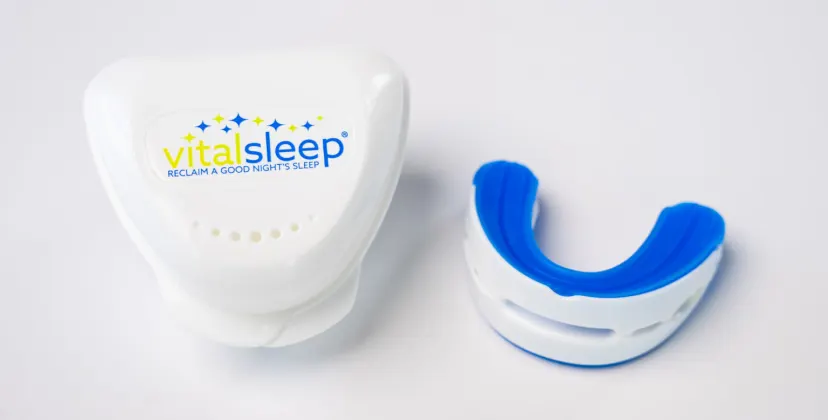
The Snoring Solution: Choosing the Right Mattress for Better Sleep
3. Consider Your Weight
Weight can also play a role in mattress selection. If you are on the heavier side, you may need a firmer mattress to provide proper support and prevent sinking. On the other hand, if you are on the lighter side, a softer mattress may be more comfortable for you. Consider your weight when choosing a mattress to ensure that it can support your body adequately.
4. Test Out Different Types of Mattresses
There are various types of mattresses available, including memory foam, innerspring, and hybrid. Each type offers different levels of support and comfort. It’s essential to test out different types of mattresses and see which one works best for you. Many mattress companies offer a trial period, so take advantage of that and try out different options before making a decision.
5. Look for Motion Isolation
For those who sleep with a partner, it’s essential to consider motion isolation when choosing a mattress. Motion isolation means that when one person moves, the other person will not feel it. This is especially important for snoring couples, as one’s movements can disturb the other’s sleep. Memory foam mattresses are known for their excellent motion isolation, making them a great option for snoring couples.
6. Consider Allergies
Allergies can also contribute to snoring. If you suffer from allergies, it’s crucial to choose a mattress that is hypoallergenic and resistant to dust mites and other allergens. This will not only help with snoring but also improve your overall sleep quality.
7. Replace Your Mattress When Needed
Lastly, it’s crucial to know when it’s time to replace your mattress. On average, a mattress should be replaced every 7-10 years, depending on its quality and how well it has been maintained. If you notice sagging, lumps, or springs poking through, it’s time to invest in a new mattress. A worn-out mattress can contribute to snoring and affect your sleep quality.
In summary, choosing the right mattress can help with snoring and improve your overall sleep quality. Consider your sleeping position, weight, and allergies when selecting a mattress. Test out different types of mattresses and look for proper support and motion isolation. And don’t forget to replace your mattress when needed.
In conclusion, don’t underestimate the power of a good mattress when it comes to snoring and sleep quality. By following these tips and choosing the right mattress, you and your partner can say goodbye to snoring and hello to better sleep.