
The Link Between Snoring and Cognitive Decline in Older Adults
As we age, our bodies go through various changes, including changes in our sleep patterns. Many older adults experience disruptions in their sleep, including snoring. While snoring may seem like a harmless annoyance, recent research has shown a potential link between snoring and cognitive decline in older adults. In this blog post, we will explore this connection and discuss ways to address snoring to promote better cognitive health in older age.
Understanding Snoring
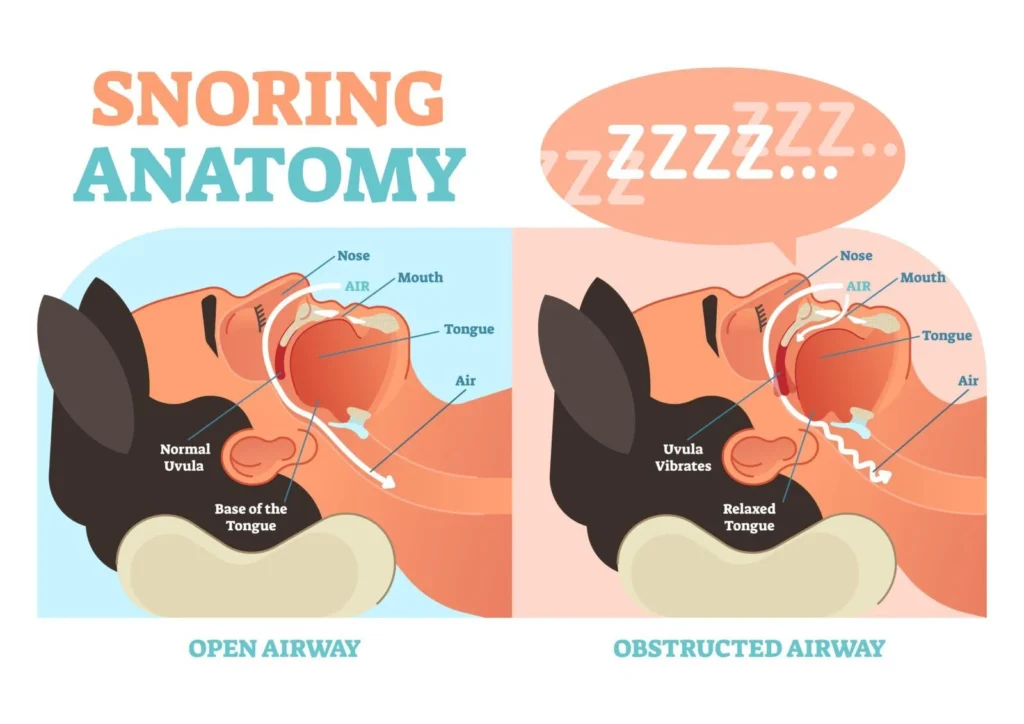
Snoring is a common sleep disorder that affects people of all ages, but it is more prevalent in older adults. It occurs when the airway becomes partially blocked during sleep, causing vibrations in the throat and resulting in the loud, distinctive sound we know as snoring. While occasional snoring may not be a cause for concern, chronic and loud snoring can be a sign of a more serious underlying issue.
The Connection Between Snoring and Cognitive Decline
Recent studies have found a link between snoring and cognitive decline in older adults. In a study published in the Journal of the American Geriatrics Society, researchers followed over 1,200 older adults for eight years and found that those who snored were at a higher risk for developing mild cognitive impairment (MCI), a condition that often precedes dementia. Another study published in the journal Sleep found that people with sleep-disordered breathing, including snoring, had a higher risk of developing Alzheimer’s disease.
The Link Between Snoring and Cognitive Decline in Older Adults
But how exactly does snoring lead to cognitive decline? One theory is that snoring causes sleep disruptions, leading to poor sleep quality and less time spent in the important stages of deep sleep. This can result in daytime sleepiness and fatigue, which can negatively impact cognitive function. Another potential mechanism is the effect of snoring on oxygen levels in the brain. Snoring can cause a decrease in oxygen levels, which can damage brain cells and contribute to cognitive decline.
Addressing Snoring for Better Cognitive Health
The good news is that snoring is a treatable condition. If you or a loved one is experiencing chronic and loud snoring, it is essential to seek medical advice from a doctor or sleep specialist. They can conduct a thorough evaluation and determine the underlying cause of the snoring. In some cases, snoring can be a sign of sleep apnea, a serious sleep disorder that requires medical treatment. In other cases, lifestyle changes, such as weight loss and avoiding alcohol before bed, may help reduce snoring.
Continuous Positive Airway Pressure (CPAP) machines are often prescribed for those with sleep apnea and can also help with snoring. These devices work by delivering a constant flow of air through a mask, keeping the airway open during sleep. Other treatment options for snoring include oral appliances, which help keep the tongue and jaw in a forward position to prevent airway obstruction, and surgery to remove excess tissue in the throat.
In addition to seeking medical treatment, there are also lifestyle changes that can help reduce snoring and promote better sleep. These include maintaining a healthy weight, avoiding alcohol and sedatives before bed, and sleeping on your side instead of your back. It is also essential to establish a regular sleep schedule and practice good sleep hygiene, such as creating a comfortable and quiet sleep environment.
In Summary
Snoring is a common sleep disorder that affects many older adults. Recent research has shown a potential link between snoring and cognitive decline in older age. Snoring can cause sleep disruptions, leading to poor sleep quality and decreased time spent in deep sleep, which can negatively impact cognitive function. Fortunately, snoring is treatable, and seeking medical advice is crucial to address the underlying cause. Lifestyle changes and medical treatments, such as CPAP machines, can help reduce snoring and promote better cognitive health in older adults.