
Blog Post:
For many people, a night out with friends or a cozy evening at home is not complete without a few drinks. However, what follows after a night of drinking can often be disruptive and frustrating for both the snorer and their bed partner – snoring. While snoring is a common occurrence, it can be intensified by alcohol consumption, leading to a restless and noisy night. But fear not, there are ways to control snoring from drinking and enjoy a peaceful and quiet night’s sleep. In this blog post, we will discuss some tips and tricks to help you say goodbye to snoring and hello to a peaceful night’s rest.
Why Does Drinking Cause Snoring?
Before we dive into the tips, it is essential to understand why drinking can lead to snoring. When we consume alcohol, our muscles relax, including the muscles in our throat. This relaxation of muscles can cause the airway to narrow, leading to vibrations and the familiar snoring sound. Additionally, alcohol can also interfere with our sleep cycle, causing us to enter a deeper sleep, making our muscles even more relaxed, and increasing the chances of snoring.
Tip #1: Limit Your Alcohol Consumption
The simplest way to control snoring from drinking is to limit your alcohol consumption. While it may seem difficult to resist that extra glass of wine or beer, remember that moderation is key. The recommended daily alcohol intake is no more than one drink for women and two drinks for men. So, try to stick to these guidelines and avoid excessive drinking, especially before bedtime.
Tip #2: Stay Hydrated
Dehydration can worsen snoring, so it is crucial to stay hydrated if you plan on having a few drinks. Alcohol is a diuretic, meaning it increases the production of urine, which can lead to dehydration. Drinking water throughout the night can help counteract the dehydrating effects of alcohol and reduce the chances of snoring.
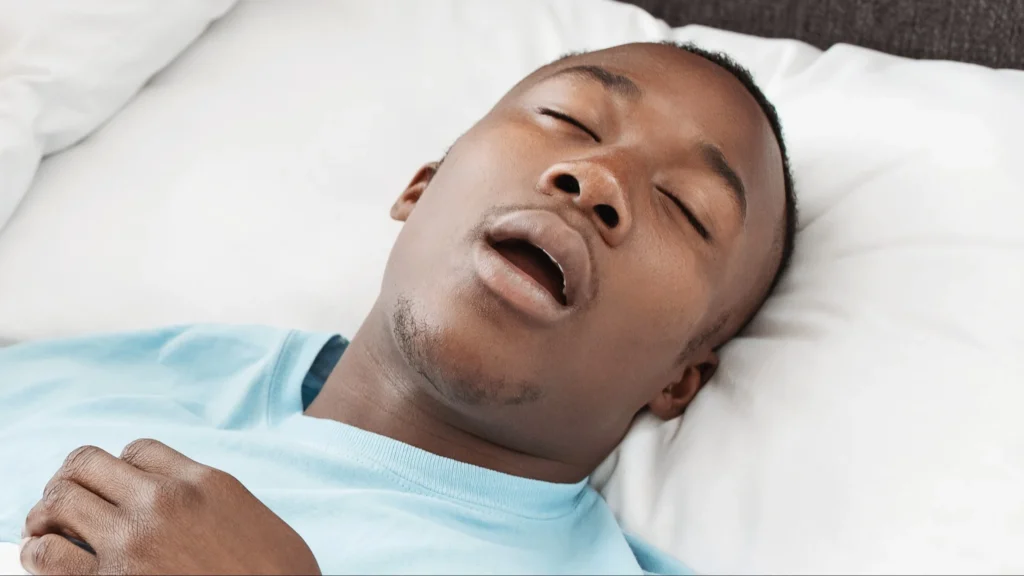
Cheers to a Quiet Night: Tips for Controlling Snoring from Drinking
Tip #3: Avoid Certain Types of Alcohol
Not all alcoholic beverages are created equal when it comes to snoring. Some types of alcohol, such as red wine and beer, contain compounds called histamines that can cause congestion and increase the likelihood of snoring. On the other hand, clear spirits like vodka and gin have lower levels of histamines, making them less likely to cause snoring. So, consider opting for clear spirits instead of wine or beer to reduce your chances of snoring.
Tip #4: Practice Good Sleep Habits
Apart from alcohol consumption, certain lifestyle habits can also contribute to snoring. These include sleep positions, smoking, and allergies. To control snoring from drinking, it is essential to practice good sleep habits, such as sleeping on your side instead of your back, quitting smoking, and managing allergies. These habits can help reduce the severity of snoring and improve the quality of your sleep.
Tip #5: Invest in Anti-Snoring Products
If you have tried the above tips and still find yourself snoring after a night of drinking, you may want to consider investing in anti-snoring products. There are various options available, such as nasal strips, mouthpieces, and pillows, that can help keep your airway open and reduce snoring. It is always best to consult with a doctor before trying any of these products to ensure they are safe and suitable for you.
Bonus Tip: Seek Medical Help
If snoring is a persistent issue, it is essential to seek medical help. Snoring can also be a symptom of a more severe condition called sleep apnea, where breathing repeatedly stops and starts during sleep. A medical professional can help diagnose and treat any underlying issues that may be causing snoring.
In summary, snoring after drinking can be controlled by limiting alcohol consumption, staying hydrated, avoiding certain types of alcohol, practicing good sleep habits, and investing in anti-snoring products. It is also essential to seek medical help if snoring is a persistent problem. By following these tips, you can enjoy a quiet and restful night’s sleep, even after a night of drinking with friends.