
Blog Post:
Snoring is a common occurrence for many people, but it can become more frequent and severe after consuming alcohol. This phenomenon is known as alcohol-induced snoring, and it is a result of the effects that alcohol has on our bodies. In this blog post, we will delve into the anatomy of alcohol-induced snoring and understand the science behind it.
What Causes Alcohol-Induced Snoring?
Before we dive into the science behind alcohol-induced snoring, it is essential to understand why alcohol causes snoring in the first place. When we drink alcohol, it relaxes our muscles, including the muscles in our throat. This relaxation can cause the throat muscles to collapse, narrowing the airway and making it more difficult for air to pass through. As a result, the air passing through creates vibrations, which causes the snoring sound.
Understanding the Anatomy of Snoring:
To understand how alcohol affects our snoring, we need to understand the anatomy of snoring. Snoring occurs when there is an obstruction in the airway, causing turbulent airflow. When we breathe, air passes through the nose and throat, and as it travels through the airway, it creates vibrations in the soft tissues of the throat, which produces the snoring sound. The tongue, tonsils, and uvula can also contribute to snoring by obstructing the airway.
The Role of Alcohol in Snoring:
As mentioned earlier, alcohol relaxes the muscles in our throat, including the soft palate, which is the tissue at the back of our mouth. When this tissue relaxes, it becomes more likely to vibrate, causing the snoring sound. Alcohol also has a sedative effect, which can cause the throat muscles to become even more relaxed, making them more prone to collapse and cause snoring.
The Anatomy of Alcohol-Induced Snoring: Understanding the Science
Alcohol also affects the muscles in the tongue and uvula, which can also contribute to snoring. The tongue can fall back and block the airway, and the uvula can become swollen, obstructing the airway and causing snoring.
The Effects of Alcohol on Sleep Quality:
Not only does alcohol cause snoring, but it can also affect the quality of our sleep. Alcohol consumption can disrupt our sleep cycle, leading to poor sleep quality. When we sleep, our bodies go through different stages of sleep, including deep sleep and REM sleep. Alcohol can interfere with these stages, causing us to spend less time in deep sleep and more time in lighter sleep, which can result in a lack of restful sleep.
How to Reduce Alcohol-Induced Snoring:
If you are someone who experiences snoring after consuming alcohol, there are some steps you can take to reduce the severity of your snoring. First and foremost, limiting your alcohol intake can significantly reduce the chances of snoring. If you do choose to drink, try to avoid consuming alcohol close to bedtime, as it can take several hours for the effects to wear off, and by then, it could already be disrupting your sleep.
It is also a good idea to sleep on your side rather than on your back. Sleeping on your back can cause your tongue and uvula to fall back and obstruct the airway, increasing the chances of snoring. Sleeping on your side can help keep your airway open and reduce snoring.
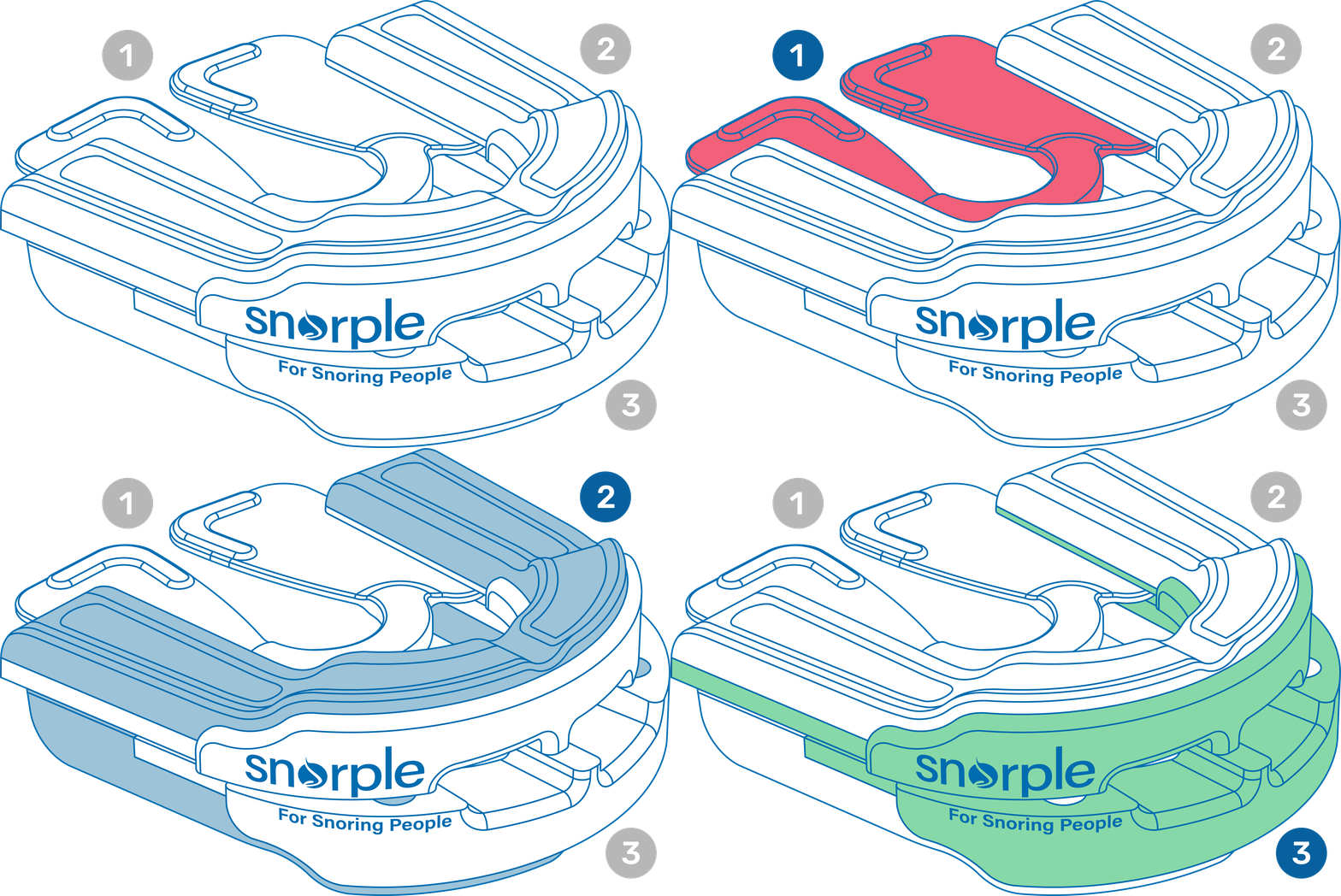
In some cases, using a nasal dilator or an oral appliance can also help reduce snoring caused by alcohol. These devices help keep the airway open and prevent the soft tissues from collapsing, reducing snoring.
Summary:
Alcohol-induced snoring is a common occurrence and is caused by the relaxation of muscles in the throat. This relaxation can cause the soft tissues to vibrate, leading to the snoring sound. Alcohol can also disrupt our sleep cycle, affecting the quality of our sleep. To reduce alcohol-induced snoring, it is essential to limit alcohol intake, avoid drinking close to bedtime, and sleep on your side. In some cases, using devices such as nasal dilators or oral appliances can also help reduce snoring.