
Snoring can be a common issue for many individuals, but for those who also suffer from chronic sinus problems, getting a good night’s sleep can feel like an impossible task. Snoring is caused by the vibration of the soft tissues in the throat and can disrupt not only your own sleep, but also that of your partner. Chronic sinus problems, such as sinusitis or nasal congestion, can further exacerbate snoring and lead to other sleep disorders. In this comprehensive guide, we will discuss the causes of snoring and how chronic sinus problems can contribute to it. We will also explore various solutions and tips to help snorers with chronic sinus problems get a better night’s sleep.
Understanding the Causes of Snoring
Before we dive into how chronic sinus problems can affect snoring, it’s important to understand the root causes of snoring. Snoring occurs when the soft tissues in the throat relax and narrow the airway, causing the tissues to vibrate as air passes through. This can be caused by a variety of factors such as obesity, alcohol consumption, smoking, and sleeping on your back. Snoring can also be a symptom of a more serious condition known as sleep apnea, where the airway becomes completely blocked during sleep, leading to pauses in breathing and disrupted sleep.
The Role of Chronic Sinus Problems in Snoring
Chronic sinus problems, such as sinusitis or nasal congestion, can contribute to snoring in several ways. Firstly, sinusitis causes inflammation and swelling of the nasal passages, making it difficult for air to pass through freely. This can lead to mouth breathing, which can cause snoring. Secondly, nasal congestion can also block the airway, forcing you to breathe through your mouth and increasing the likelihood of snoring. Additionally, when the sinuses are blocked, mucus can build up and drip down the throat, causing irritation and leading to snoring.
Solutions for Snorers with Chronic Sinus Problems
If you are a snorer with chronic sinus problems, there are several solutions and tips that can help you get a better night’s sleep.
1. Nasal Decongestants: Using nasal decongestants, either in the form of a spray or a steam inhalation, can help to clear the nasal passages and reduce snoring caused by chronic sinus problems.
2. Nasal Strips: Nasal strips are adhesive strips that are placed on the bridge of the nose to help widen the nostrils and improve airflow. This can be especially helpful for snorers with chronic sinus problems as it can alleviate nasal congestion and reduce snoring.
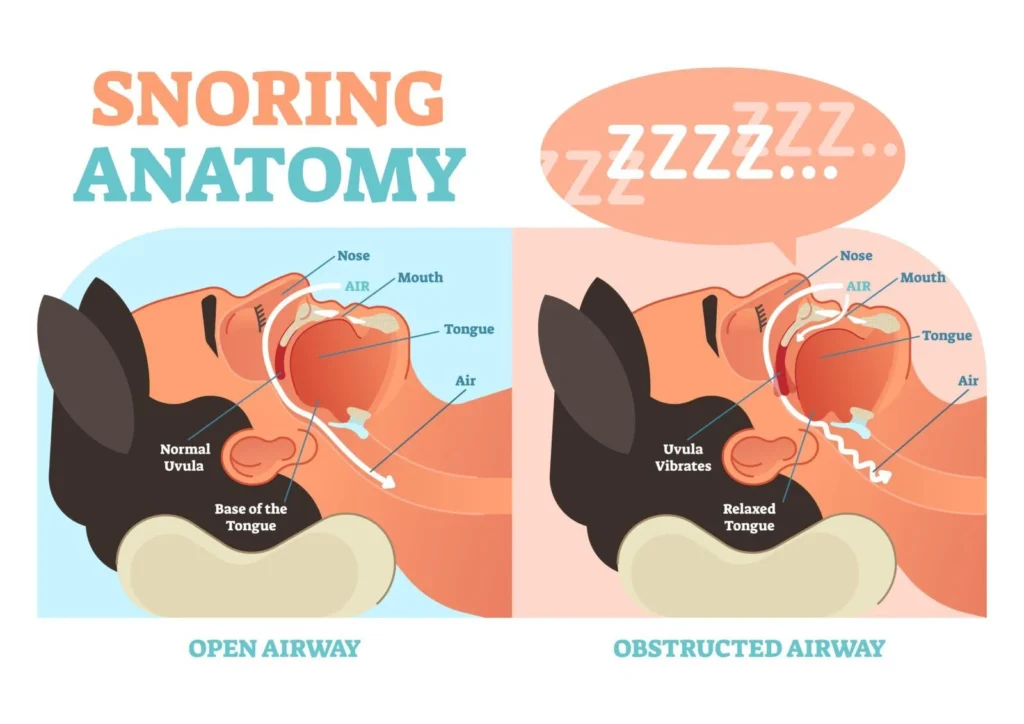
A Comprehensive Guide to Sleep for Snorers with Chronic Sinus Problems
3. Saline Nasal Irrigation: This involves flushing out the nasal passages with a saline solution, which can help to clear out mucus and reduce inflammation. This can be done using a neti pot or a saline nasal spray.
4. Allergy Medication: If your snoring is caused by allergies, taking allergy medication can help to reduce inflammation and congestion, thereby reducing snoring.
5. Change Sleeping Position: As mentioned earlier, sleeping on your back can cause the soft tissues in your throat to relax and block the airway, leading to snoring. Sleeping on your side can help to alleviate this issue and reduce snoring.
6. Lose Weight: Obesity is a common cause of snoring and can also contribute to chronic sinus problems. Losing weight through a healthy diet and exercise can help to reduce snoring and improve overall health.
7. Quit Smoking and Limit Alcohol Consumption: Smoking and excessive alcohol consumption can irritate the throat and cause the soft tissues to relax, leading to snoring. Quitting smoking and limiting alcohol intake can help to reduce snoring and improve overall health.
When to Seek Medical Help
If your snoring is severe and affecting your quality of life, it’s important to seek medical help. Your doctor can help to diagnose any underlying conditions, such as sleep apnea, and provide appropriate treatment. They may also recommend a sleep study to monitor your breathing patterns during sleep and determine the best course of treatment.
In Conclusion
Snoring can be a frustrating issue, especially for those who also suffer from chronic sinus problems. However, by understanding the causes of snoring and how chronic sinus problems can contribute to it, you can take steps to reduce snoring and improve your sleep. Remember to consult with your doctor if your snoring is severe or affecting your daily life. With the right treatment and lifestyle changes, you can get a better night’s sleep and wake up feeling well-rested and refreshed.
SEO metadata: