
From Sleepless Nights to High Blood Pressure: The Snoring Connection
Snoring is a common problem that affects millions of people around the world. While it may seem harmless, snoring can actually lead to serious health issues, such as sleep deprivation and high blood pressure. In this blog post, we will explore the connection between snoring and high blood pressure, and how addressing snoring can improve overall health and quality of life.
What is Snoring?
Snoring is the sound made when air flows through the throat and causes the tissues in the upper airway to vibrate. This can happen when the airway is partially blocked, which can be caused by various factors such as allergies, nasal congestion, or enlarged tonsils. Snoring can also be a sign of a more serious condition, such as sleep apnea, where the airway becomes completely blocked and breathing stops for a short period of time.
The Impact of Snoring on Sleep Quality
Snoring can greatly impact the quality of sleep for both the snorer and their partner. The loud noises can disrupt sleep, causing the snorer to wake up multiple times throughout the night. This leads to sleep deprivation, which can have a negative effect on overall health and well-being. Lack of sleep can result in fatigue, difficulty concentrating, and irritability. It can also increase the risk of accidents and injuries.
The Connection between Snoring and High Blood Pressure
Research has shown that there is a strong connection between snoring and high blood pressure. When a person snores, their airway is partially blocked, causing them to breathe through their mouth instead of their nose. Breathing through the mouth increases the levels of carbon dioxide in the blood, which can lead to an increase in blood pressure. This can put strain on the heart and lead to cardiovascular problems.
In addition, snoring can also disrupt the normal sleep pattern, which can affect the body’s production of hormones and chemicals that regulate blood pressure. This can result in consistently high blood pressure levels, which can increase the risk of heart disease, stroke, and other health issues.
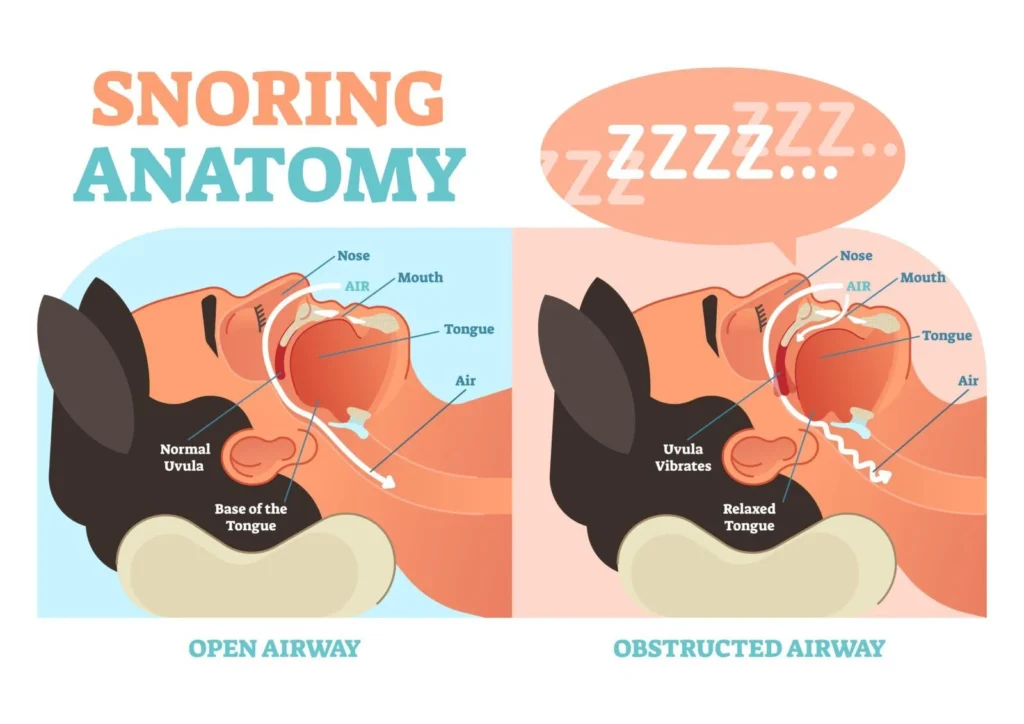
From Sleepless Nights to High Blood Pressure: The Snoring Connection
Treating Snoring to Improve Overall Health
The good news is that snoring can be treated in various ways, and addressing this issue can have a positive impact on overall health and well-being. Here are some methods that can help reduce snoring and improve sleep quality:
1. Lifestyle Changes: Certain lifestyle habits, such as smoking, excessive alcohol consumption, and being overweight, can contribute to snoring. Making changes to these habits can help reduce snoring and improve overall health.
2. Nasal Strips: Nasal strips are adhesive strips that are placed on the nose to help open up the nasal passages, making it easier to breathe through the nose and reducing the likelihood of snoring.
3. Oral Devices: These devices are designed to keep the airway open by positioning the jaw in a forward position. This can help prevent the tongue and soft tissues from blocking the airway and causing snoring.
4. Continuous Positive Airway Pressure (CPAP) Machine: A CPAP machine is a device that delivers a continuous flow of air through a mask worn over the nose and mouth. This helps keep the airway open and prevents snoring and sleep apnea.
5. Surgery: In severe cases, surgery may be recommended to address structural issues that are causing snoring, such as enlarged tonsils, nasal polyps, or a deviated septum.
Summary:
Snoring is a common problem that can greatly impact sleep quality and overall health. It is caused by a partial blockage of the airway, and can also be a sign of a more serious condition, such as sleep apnea. Snoring has been linked to high blood pressure, which can increase the risk of heart disease and other health issues. However, there are various methods for treating snoring, which can improve sleep quality and reduce the risk of high blood pressure and other health problems.