
Addressing Snoring for Better Blood Pressure Management: Tips and Tricks
Snoring is a common issue that affects millions of people worldwide. While it may seem like a harmless annoyance, snoring can actually have a significant impact on your overall health, particularly when it comes to managing your blood pressure. In this blog post, we will discuss the link between snoring and blood pressure, and provide some tips and tricks for addressing snoring to improve your blood pressure management.
The Link Between Snoring and Blood Pressure
Snoring is often caused by a narrowing of the airway, which can be due to various factors such as excess weight, nasal congestion, or sleep position. When the airway is narrowed, it can lead to vibration of the tissues in the back of the throat, resulting in the loud, disruptive sound of snoring.
But how does snoring affect blood pressure? The answer lies in the disruption of sleep. People who snore often experience interrupted sleep patterns, with frequent waking throughout the night. This interrupted sleep can lead to poor quality of sleep, leaving you feeling tired and fatigued during the day. More importantly, it can also cause a rise in blood pressure.
When we sleep, our blood pressure naturally lowers as our body relaxes. However, when sleep is constantly disrupted by snoring, our blood pressure remains elevated, putting a strain on our cardiovascular system. This can lead to long-term issues such as hypertension, or high blood pressure, which is a major risk factor for heart disease and stroke.
Tips and Tricks for Addressing Snoring
Now that we understand the connection between snoring and blood pressure, let’s explore some tips and tricks for addressing snoring and improving your blood pressure management.
1. Maintain a Healthy Weight
As mentioned earlier, excess weight can contribute to snoring by narrowing the airway. By maintaining a healthy weight, you can reduce the pressure on your airway and potentially decrease or eliminate snoring. This can also have a positive impact on your overall health, including your blood pressure.
Addressing Snoring for Better Blood Pressure Management: Tips and Tricks
2. Keep Your Nasal Passages Clear
Nasal congestion can also contribute to snoring. To keep your nasal passages clear and reduce snoring, try using a nasal decongestant or nasal strips before bedtime. You can also try using a humidifier to keep the air in your bedroom moist, which can help reduce congestion.
3. Change Your Sleep Position
Sleeping on your back can worsen snoring as it can cause the tongue and soft tissues in the back of the throat to relax and block the airway. To reduce snoring, try sleeping on your side instead. You can also try elevating your head with an extra pillow to help keep your airway open.
4. Avoid Alcohol and Sedatives Before Bedtime
Alcohol and sedatives can relax the muscles in your throat, causing them to collapse and block your airway. This can lead to snoring and a rise in blood pressure. To avoid this, try to limit your alcohol and sedative intake before bedtime.
5. Consider a Mouthguard or CPAP Machine
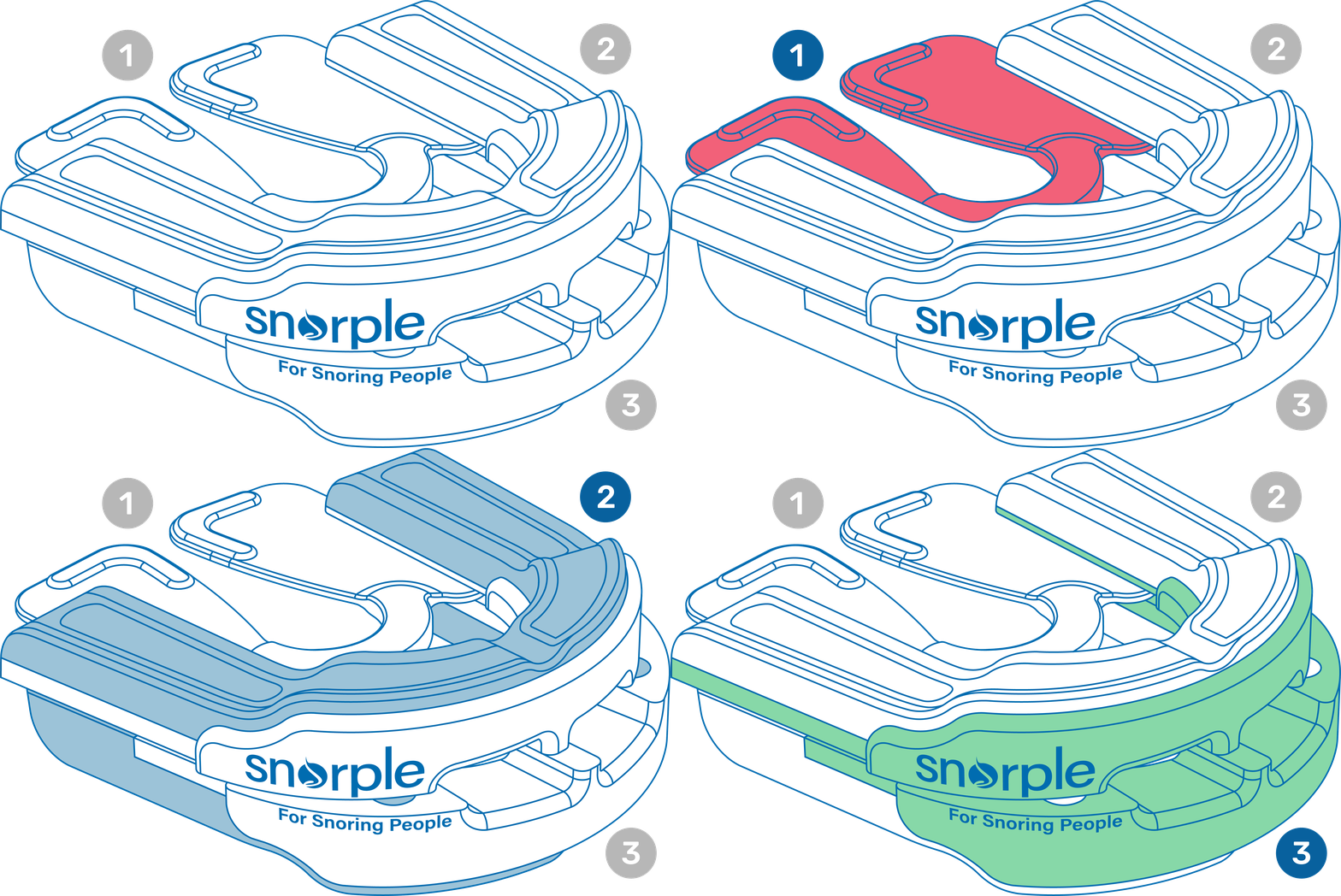
If your snoring is severe, you may want to consider using a mouthguard or continuous positive airway pressure (CPAP) machine. A mouthguard can help keep your airway open by holding your jaw in a forward position. A CPAP machine works by delivering a constant flow of air through a mask, keeping your airway open and reducing snoring.
Summary
Snoring can have a significant impact on your overall health, particularly when it comes to blood pressure management. By understanding the link between snoring and blood pressure and implementing these tips and tricks, you can reduce or eliminate snoring and improve your overall health.