
Blog Post:
Snoring is a common issue that affects millions of people worldwide. It not only disrupts the sleep of the person snoring, but it can also disturb the sleep of their partner or other family members. While there are several factors that can contribute to snoring, one often overlooked cause is secondhand smoke. In this blog post, we will explore the role of secondhand smoke in snoring and how it can affect both smokers and non-smokers.
First, let’s understand what secondhand smoke is. Also known as environmental tobacco smoke (ETS), secondhand smoke is a combination of the smoke exhaled by a smoker and the smoke from the burning end of a cigarette, cigar, or pipe. This smoke contains over 7,000 chemicals, including at least 70 known carcinogens. When non-smokers are exposed to secondhand smoke, they are at risk of developing various health issues, including respiratory problems, heart disease, and even cancer.
Now, you may be wondering how secondhand smoke can contribute to snoring. The answer lies in the effect it has on the airways. When a person smokes, the smoke irritates the lining of their airways, causing inflammation and making it difficult for air to pass through. This inflammation can also lead to the constriction of the airways, making them narrower and causing difficulty in breathing. As a result, the person may snore as they struggle to breathe while sleeping.
Moreover, secondhand smoke can also cause swelling in the nasal passages and sinuses, which can obstruct the airway and lead to snoring. This is because the smoke irritates the mucous membranes, causing them to produce excess mucus, which can block the airways. Additionally, the chemicals in secondhand smoke can also relax the muscles in the throat, making it easier for the soft tissues to collapse and vibrate, resulting in snoring.
Furthermore, secondhand smoke can also contribute to sleep apnea, a condition where a person’s breathing repeatedly stops and starts during sleep. Studies have shown that exposure to secondhand smoke can increase the risk of sleep apnea in both adults and children. This is because the chemicals in the smoke can cause inflammation and swelling in the upper airway, making it more likely for it to collapse during sleep.
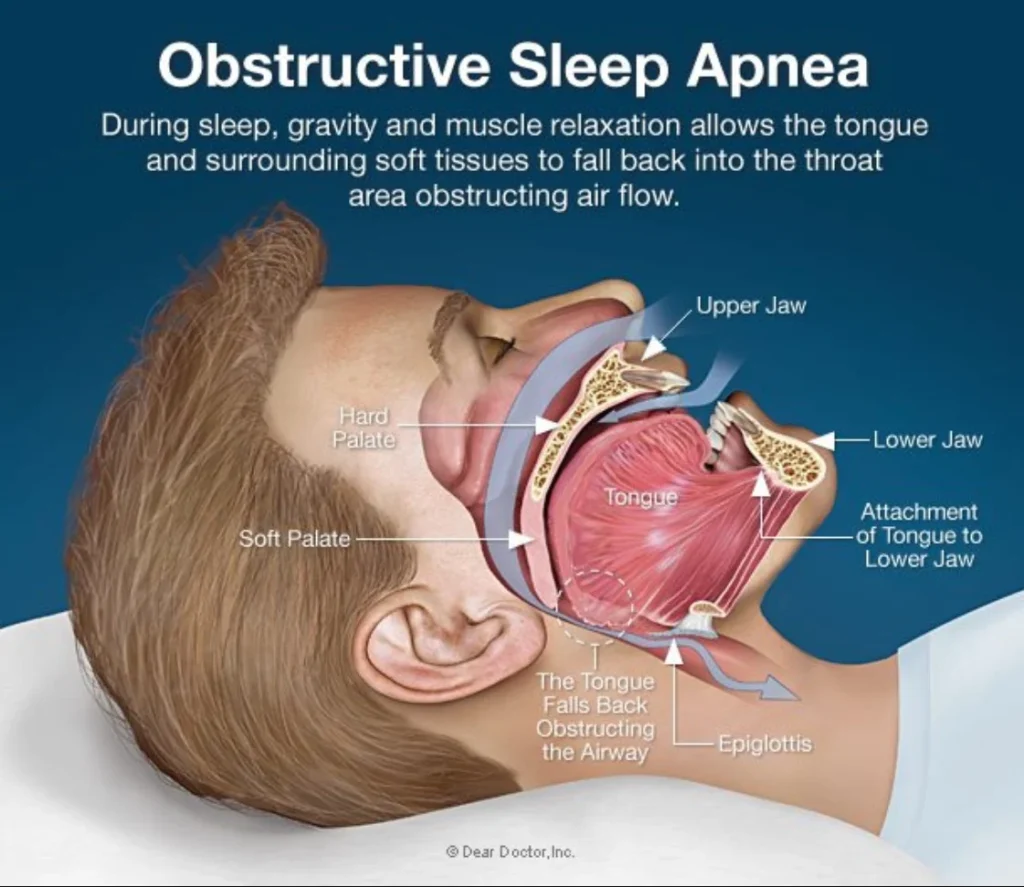
The Role of Secondhand Smoke in Snoring
Not only does secondhand smoke affect the person snoring, but it can also disturb the sleep of those around them. This is because the smoke can cause irritation and inflammation in the airways of non-smokers, leading to difficulty in breathing and snoring. Furthermore, secondhand smoke has been linked to an increased risk of developing sleep disorders, such as insomnia and restless leg syndrome, which can also contribute to snoring.
It is worth noting that secondhand smoke can affect children’s sleep as well. Children who are exposed to secondhand smoke have a higher risk of developing respiratory infections, asthma, and other respiratory issues. These conditions can make it difficult for them to breathe properly, leading to snoring. Additionally, children who are exposed to secondhand smoke are more likely to develop sleep disturbances, such as difficulty falling asleep and staying asleep.
So, what can be done to reduce the effects of secondhand smoke on snoring? The most effective solution is to quit smoking. Not only will this improve your overall health, but it will also reduce the risk of snoring. If you are a smoker, try to quit smoking as soon as possible. There are various resources and support available to help you quit, such as nicotine replacement therapy and support groups.
For non-smokers, it is essential to limit your exposure to secondhand smoke as much as possible. Avoid spending time in places where people are smoking, and encourage your friends and family members to quit smoking. If you live with a smoker, try to create a designated smoking area outside the house to minimize your exposure to secondhand smoke.
In conclusion, secondhand smoke can have a significant impact on snoring. It can irritate and inflame the airways, obstruct the airway, and relax the throat muscles, all of which can contribute to snoring. Not only does it affect the person snoring, but it can also disturb the sleep of those around them. Therefore, it is crucial to quit smoking and limit exposure to secondhand smoke to reduce the risk of snoring and other health issues.
Summary:
Snoring is a common issue that can affect both smokers and non-smokers. While there are various factors that can contribute to snoring, one often overlooked cause is secondhand smoke. Secondhand smoke can irritate and inflame the airways, obstruct the airway, and relax the throat muscles, all of which can contribute to snoring. It can also lead to sleep apnea and disturb the sleep of those around the person snoring. Quitting smoking and limiting exposure to secondhand smoke can help reduce the risk of snoring and other health issues.