
Snoring and sleepwalking are two common sleep disorders that can greatly impact your overall health and well-being. While they may seem like separate issues, there is actually a strong connection between the two. In this blog post, we will delve into the relationship between snoring and sleepwalking, how they affect each other, and what you can do to improve your sleep and overall health.
Snoring is a common sleep problem that affects millions of people worldwide. It is characterized by noisy breathing during sleep, caused by the vibration of the soft tissues in the back of the throat. While occasional snoring may not be a cause for concern, chronic snoring can be a sign of a more serious underlying issue. Sleep apnea, a condition where breathing stops and starts repeatedly during sleep, is a common cause of snoring. It can lead to a host of health problems, including high blood pressure, heart disease, and stroke.
On the other hand, sleepwalking, also known as somnambulism, is a parasomnia disorder that causes people to walk, talk, or perform other activities while in a state of deep sleep. It is more common in children, but it can also affect adults. Sleepwalking episodes can range from simple actions like sitting up in bed to more complex activities like cooking or driving a car. While sleepwalking itself is not dangerous, it can lead to injuries if the person engages in hazardous behaviors.
So, how are snoring and sleepwalking related? Research has shown that there is a close link between the two sleep disorders. One study found that people who snore are more likely to experience sleepwalking episodes. This is because snoring is often a symptom of sleep apnea, which disrupts the quality of sleep and can lead to sleepwalking. Additionally, both snoring and sleepwalking are more common in people who have a family history of these disorders.
Snoring and sleepwalking can also have a significant impact on each other. For instance, people who sleepwalk are more likely to snore, as the act of walking around can cause the throat muscles to relax and contribute to snoring. On the other hand, snoring can disrupt the sleep of both the snorer and their sleep partner, which can increase the likelihood of sleepwalking episodes. This can create a vicious cycle, where one disorder exacerbates the other, leading to poor sleep quality and potentially affecting overall health.
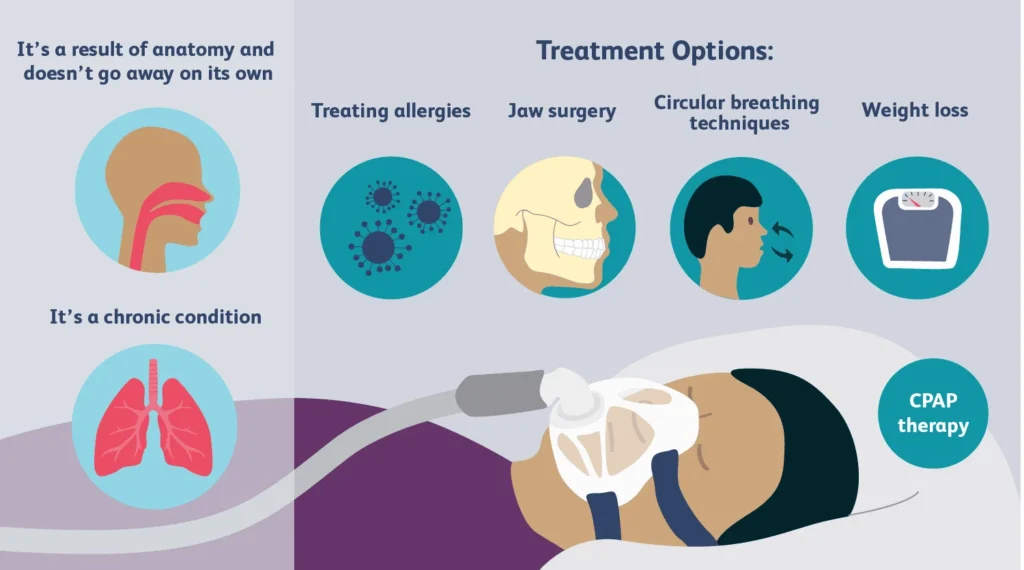
Snoring and Sleepwalking: How They Affect Each Other and Your Health
Another aspect to consider is the impact of snoring and sleepwalking on your health. As mentioned earlier, both disorders can lead to serious health problems if left untreated. Sleep apnea, which is often associated with snoring, can increase the risk of heart disease, stroke, and diabetes. Sleepwalking, on the other hand, can lead to falls, injuries, and even accidents in extreme cases. Moreover, both disorders can cause daytime fatigue, irritability, and difficulty concentrating, which can affect your performance at work or school.
Now that we understand the relationship between snoring and sleepwalking, the question is, what can you do to improve your sleep and overall health? The first step is to address any underlying issues that may be causing snoring. If you suspect that you have sleep apnea, it is crucial to seek medical attention and undergo a sleep study to confirm the diagnosis. Treatment options for sleep apnea may include lifestyle changes, such as losing weight and quitting smoking, or using a continuous positive airway pressure (CPAP) machine to keep the airway open during sleep.
For sleepwalking, creating a safe sleep environment is key. This means removing any potential hazards from the bedroom, such as sharp objects or clutter, and locking doors and windows to prevent the sleepwalker from wandering outside. In some cases, medication may be prescribed to reduce the frequency of sleepwalking episodes.
In addition to seeking medical treatment, there are also steps you can take to improve your overall sleep hygiene. This includes maintaining a regular sleep schedule, creating a comfortable sleep environment, and avoiding caffeine, alcohol, and heavy meals close to bedtime. Practicing relaxation techniques, such as deep breathing or meditation, can also help reduce stress and promote better sleep.
In conclusion, snoring and sleepwalking are two common sleep disorders that are closely related and can have a significant impact on your health. If you or a loved one are struggling with these sleep problems, it is essential to seek medical attention and make lifestyle changes to improve your sleep quality. By addressing these disorders, you can not only improve your sleep but also protect your overall health and well-being.