
Blog Post: The Science Behind Snoring and Its Effect on Your Sex Life
Snoring is a common problem that affects millions of people around the world. While it may seem like a harmless annoyance, snoring can have a significant impact on your overall health and well-being, including your sex life. In this blog post, we will explore the science behind snoring and how it can affect your sex life.
What is Snoring?
Snoring is the sound produced by the vibration of tissues in the upper airway during sleep. It is a common condition that affects people of all ages, genders, and body types. Snoring can range from mild to severe, and it can disrupt not only your sleep but also your partner’s.
The Science Behind Snoring
To understand how snoring affects your sex life, it’s essential to understand the science behind it. When we sleep, our muscles relax, including those in our throat and tongue. For some people, this relaxation can cause the airway to become narrow, making it difficult for air to pass through. As a result, the air vibrates against the tissues, creating the snoring sound.
Factors That Contribute to Snoring
Several factors can contribute to snoring, including:
1. Age: As we age, our muscles become weaker, and our airway becomes narrower, increasing the likelihood of snoring.
2. Weight: Being overweight or obese can lead to excess tissue in the throat, making it more likely to vibrate and cause snoring.
3. Alcohol and Sedative Use: Alcohol and sedatives can relax the muscles in your throat, making it easier for them to collapse and cause snoring.
4. Sleep Position: Sleeping on your back can cause your tongue to fall back and block your airway, leading to snoring.
The Effect of Snoring on Your Sex Life
The Science Behind Snoring and Its Effect on Your Sex Life
Snoring can have a significant impact on your sex life, affecting both you and your partner. Here are some ways snoring can affect your sex life:
1. Fatigue: Snoring can disrupt your sleep, leading to fatigue and low energy levels, making it challenging to engage in sexual activities.
2. Decreased Libido: Lack of sleep can also lead to a decrease in sex drive, affecting your desire for sexual intimacy.
3. Relationship Strain: Snoring can cause strain in your relationship as your partner may become frustrated with the constant noise and lack of sleep.
4. Sleep Apnea: In some cases, snoring may be a symptom of sleep apnea, a more severe sleep disorder that can affect your overall health and well-being. Sleep apnea can lead to excessive daytime sleepiness, mood swings, and erectile dysfunction, all of which can impact your sex life.
Tips for Managing Snoring
If you or your partner are struggling with snoring and its effects on your sex life, here are some tips for managing it:
1. Practice Good Sleep Hygiene: Maintaining a regular sleep schedule and creating a comfortable sleep environment can improve the quality of your sleep and reduce snoring.
2. Change Your Sleeping Position: Sleeping on your side may help prevent your tongue from falling back and blocking your airway.
3. Limit Alcohol and Sedative Use: Avoid consuming alcohol or sedatives before bedtime as they can relax your throat muscles and contribute to snoring.
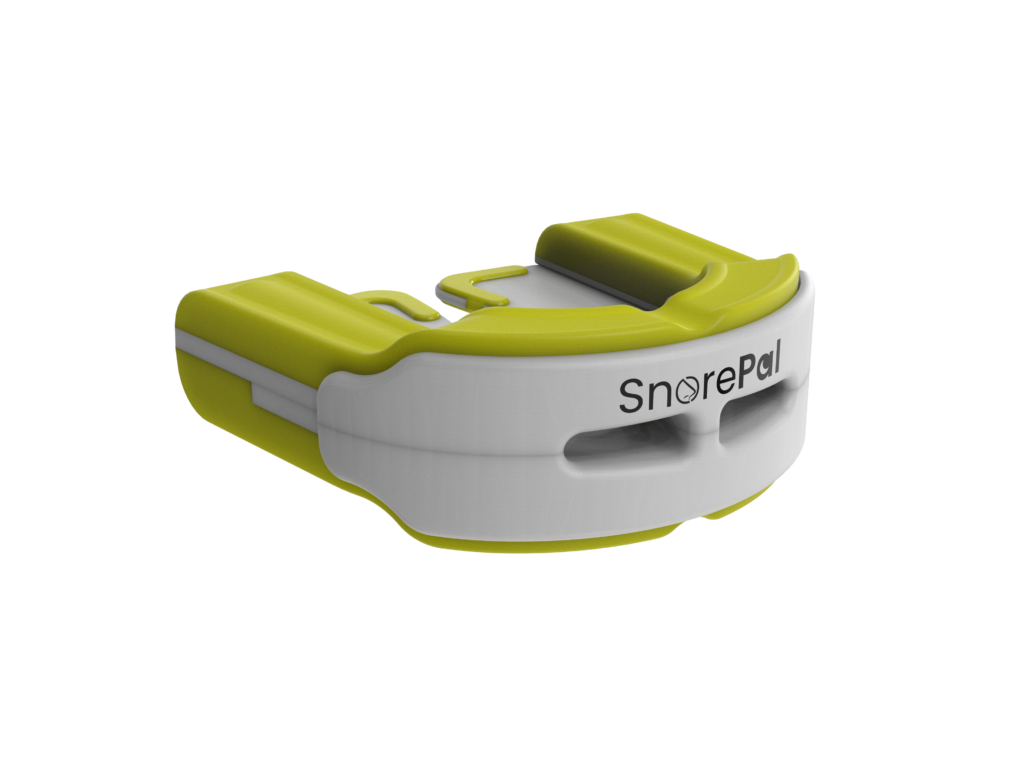
4. Consider Using a Snoring Device: There are various snoring devices, such as nasal strips and mouthguards, that can help keep your airway open and reduce snoring.
5. Consult a Doctor: If your snoring is severe, or if you suspect you may have sleep apnea, it’s essential to consult a doctor for proper diagnosis and treatment.
Summary:
Snoring is a common problem that can have a significant impact on your sex life. It is caused by the vibration of tissues in the upper airway during sleep. Factors such as age, weight, alcohol and sedative use, and sleep position can contribute to snoring. Snoring can lead to fatigue, decreased libido, relationship strain, and in some cases, sleep apnea, which can affect your overall health and sexual function. To manage snoring, you can practice good sleep hygiene, change your sleeping position, limit alcohol and sedative use, consider using a snoring device, and consult a doctor if needed.