
Blog Post:
Stress and Snoring: Understanding the Relationship at Age 40
As we age, our bodies go through various changes and challenges. One of the most common issues that people face at the age of 40 is stress and snoring. While these two may seem like separate problems, they are actually closely related. In this blog post, we will explore the relationship between stress and snoring at the age of 40, and understand how one can affect the other.
What is Stress?
Stress is a natural response of our bodies to any kind of demand or threat. It is a feeling of emotional or physical tension that can be triggered by various factors such as work, finances, relationships, or health issues. At the age of 40, adults tend to have more responsibilities and pressures, leading to higher levels of stress.
Effects of Stress on the Body
Stress can have a significant impact on our overall health, both physically and mentally. It can lead to various health problems such as high blood pressure, heart disease, diabetes, and obesity. It can also affect our sleep patterns and cause insomnia, which in turn can lead to fatigue, irritability, and difficulty in concentration.
How Stress Affects Snoring
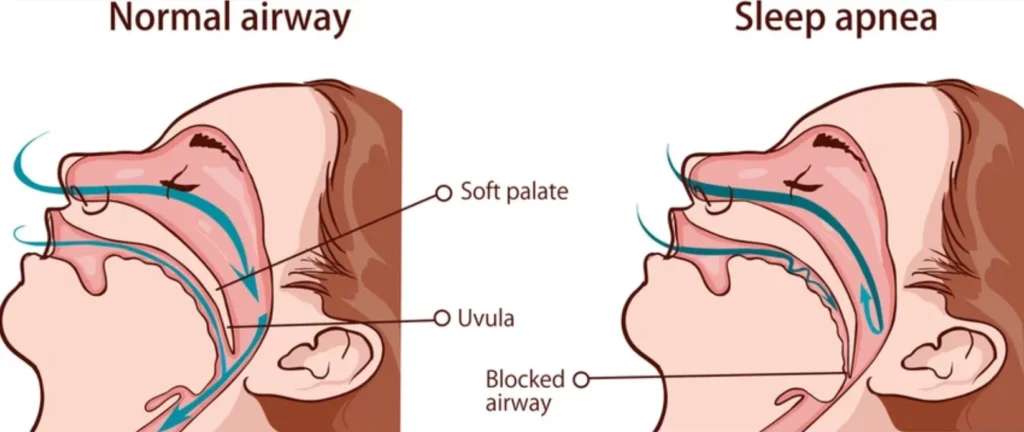
Stress can also affect our breathing patterns and cause snoring. When we are stressed, our muscles become tense, including the muscles in our throat. This can cause the airway to become narrow, making it difficult for air to pass through, resulting in snoring. Additionally, stress can lead to weight gain, which can also contribute to snoring.
Stress and Snoring: Understanding the Relationship at Age 40
Furthermore, stress can disrupt our sleep cycles and cause us to have poor sleep quality. This can lead to sleep deprivation, which can make snoring worse. When we are sleep deprived, our muscles become more relaxed, including the muscles in our throat, making it easier for them to collapse and block the airway, resulting in snoring.
How Snoring Affects Stress
On the other hand, snoring can also contribute to stress. People who snore are often sleep deprived and do not get enough restorative sleep. As a result, they may feel tired and irritable during the day, affecting their mood and productivity. Snoring can also lead to sleep disturbances for the snorer’s partner, causing them to be sleep deprived as well. This can lead to strain in the relationship and added stress.
Moreover, snoring can also cause health problems such as sleep apnea, a serious sleep disorder in which breathing repeatedly stops and starts during sleep. Sleep apnea has been linked to various health issues such as high blood pressure, heart disease, and stroke, which can further add to stress levels.
How to Manage Stress and Snoring at Age 40
Fortunately, there are ways to manage both stress and snoring at the age of 40. The first step is to identify the root cause of stress and try to address it. This can include finding healthy coping mechanisms such as exercise, meditation, or therapy. It is also essential to prioritize sleep and establish a regular sleep schedule. This can help improve sleep quality and reduce snoring.
For those who snore, there are various lifestyle changes that can help reduce snoring. These include maintaining a healthy weight, avoiding alcohol and sedatives before bedtime, and sleeping on your side instead of your back. If snoring persists, it is advisable to consult a doctor to rule out any underlying medical conditions such as sleep apnea.
Summary:
At the age of 40, many adults face the challenge of managing stress and snoring. Stress can lead to snoring by causing tension in the throat muscles and disrupting sleep patterns. On the other hand, snoring can contribute to stress by causing sleep deprivation and health problems such as sleep apnea. To manage both stress and snoring, it is essential to address the root cause, prioritize sleep, and make healthy lifestyle changes. Consulting a doctor can also be beneficial in managing snoring and ruling out any underlying medical conditions.