
Blog Post:
As we age, our bodies go through various changes, and one common issue that many people face is snoring. While snoring can be caused by a variety of factors, one key contributor to age-related snoring is stress. Stress has been linked to many health problems, and snoring is no exception. In this blog post, we will explore the role of stress in age-related snoring and how it can affect your overall health.
What is Snoring?
Snoring is the sound that occurs when air flows through restricted airways during sleep, causing the tissues in the throat to vibrate. It is a common problem that affects people of all ages, but it becomes more prevalent as we get older. As we age, our muscles and tissues lose their elasticity and tone, making them more prone to vibration and causing snoring.
The Role of Stress in Snoring
Stress is a natural response to challenging situations, and it can affect our physical and mental well-being. When we are stressed, our bodies release the hormone cortisol, which prepares us for the “fight or flight” response. While this response is necessary in certain situations, chronic stress can have negative effects on our health. One of these effects is an increase in snoring.
Stress and Weight Gain
As we get older, our metabolism slows down, making it easier to gain weight. Stress can also be a contributing factor to weight gain, especially around our midsection. Excess weight in the neck and throat area puts pressure on the airways, making them more likely to collapse and cause snoring. Additionally, stress can lead to unhealthy eating habits and lack of exercise, both of which can also contribute to weight gain and snoring.
Stress and Muscle Tension
Stress can also cause muscle tension, which can affect the muscles in our throat. When we are stressed, we tend to clench our jaw and tense our neck and shoulder muscles, which can lead to restricted airflow during sleep. This tension can also lead to a decrease in muscle tone, making snoring more likely.
Stress and Sleep Quality
Stress can also have a significant impact on our sleep quality. When we are stressed, our bodies tend to stay in a state of heightened alertness, making it difficult to fall and stay asleep. This lack of quality sleep can lead to fatigue and exhaustion, which can make snoring worse. Additionally, when we are sleep-deprived, our muscles become more relaxed, increasing the likelihood of snoring.
Stress and Sleep Apnea
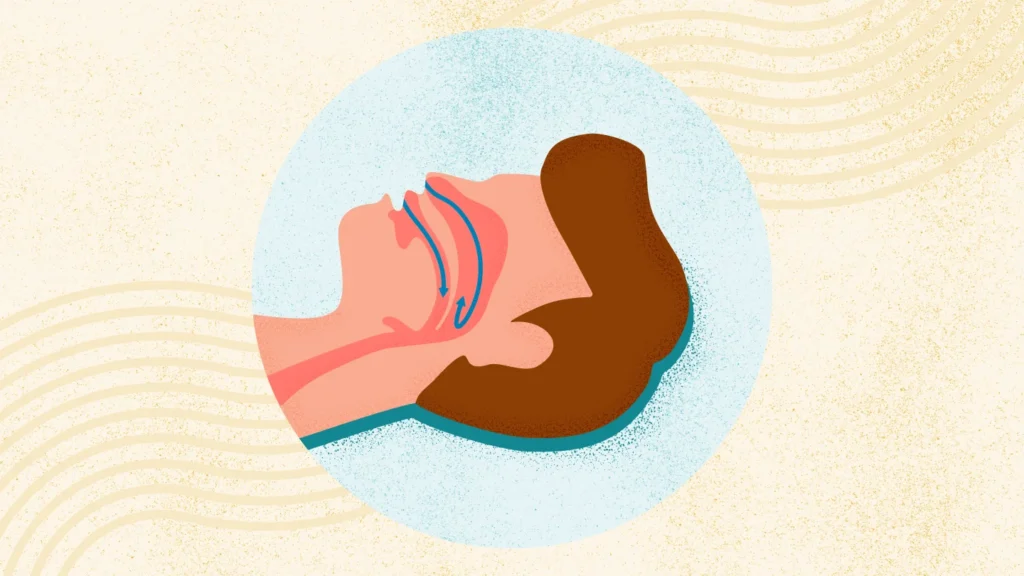
The Role of Stress in Age-Related Snoring
Sleep apnea is a sleep disorder where a person stops breathing for short periods during sleep. It is a severe condition that can have serious health consequences if left untreated. Stress can be a contributing factor to sleep apnea, as it can cause a person’s airways to become more narrow and collapse, leading to breathing pauses during sleep.
Stress and Overall Health
Stress has been linked to various health problems, including high blood pressure, heart disease, and stroke. These conditions can also contribute to snoring as they can affect the muscles and tissues in the throat. Additionally, stress can weaken our immune system, making us more susceptible to respiratory infections, which can further aggravate snoring.
Managing Stress to Reduce Snoring
While it may not be possible to eliminate stress completely, there are ways to manage it to reduce its impact on snoring. Here are a few tips to help you reduce stress and potentially improve your snoring:
1. Practice relaxation techniques such as deep breathing, meditation, or yoga.
2. Exercise regularly to release tension and improve overall health.
3. Establish a consistent sleep schedule to promote better sleep quality.
4. Avoid caffeine, alcohol, and heavy meals close to bedtime, as they can affect sleep quality.
5. Seek professional help if stress is affecting your daily life and well-being.
Conclusion
As we age, snoring becomes more common, and stress can play a significant role in its development. By understanding the link between stress and age-related snoring, we can take steps to manage stress and potentially reduce snoring. Taking care of our overall health, including managing stress, can also have a positive impact on snoring. If snoring persists, it is essential to speak with a medical professional to rule out any underlying health conditions and find the right treatment plan.
In summary, stress can contribute to age-related snoring in various ways, including weight gain, muscle tension, sleep quality, and overall health. By managing stress and taking care of our physical and mental well-being, we can potentially reduce snoring and improve our overall quality of life.