
Blog Post: The Role of Snoring in Childhood Sleep Disorders
Sleep is an essential part of a child’s development, providing them with the rest and rejuvenation they need to grow and thrive. However, for some children, sleep disorders can disrupt this crucial process and impact their overall health and well-being. One common but often overlooked cause of childhood sleep disorders is snoring. While most people associate snoring with adults, it can also be a significant issue for children and can lead to various sleep disorders. In this blog post, we will explore the role of snoring in childhood sleep disorders and discuss how it can affect a child’s health and ways to address the issue.
What is Snoring?
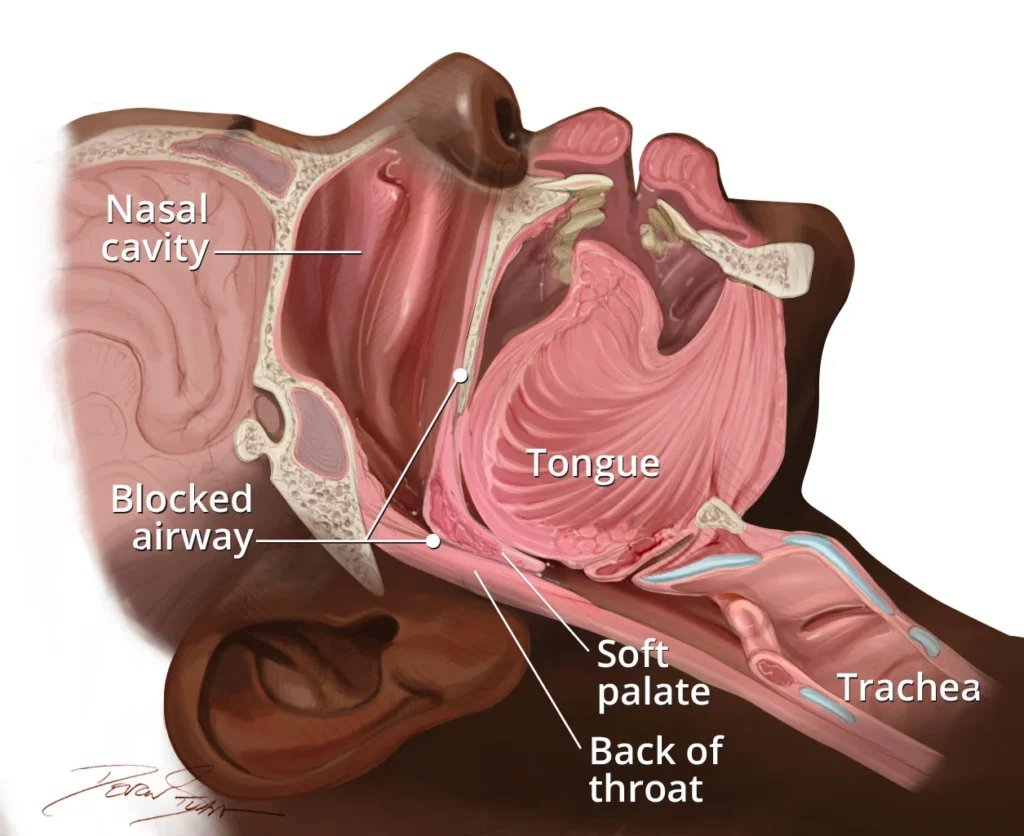
Snoring is the sound produced by the vibration of tissues in the airway during sleep. It is a common occurrence in both adults and children, with studies showing that around 10% to 12% of children snore regularly. It is usually caused by a partially obstructed airway, which can be due to various factors such as enlarged tonsils, congestion, and allergies.
Types of Childhood Sleep Disorders Related to Snoring
Snoring in children can lead to various sleep disorders, which can have a significant impact on their overall health. Some of the common disorders associated with snoring in children include:
1. Obstructive Sleep Apnea (OSA)
Obstructive Sleep Apnea (OSA) is a disorder characterized by repeated episodes of complete or partial obstruction of the upper airway during sleep. It is caused by the relaxation of throat muscles, which causes the airway to narrow or close, resulting in breathing pauses. These pauses can last for a few seconds to minutes, leading to a drop in oxygen levels in the body. This can result in disrupted sleep, causing daytime fatigue, irritability, and difficulty concentrating.
2. Sleep-Disordered Breathing (SDB)
Sleep-Disordered Breathing (SDB) is a term used to describe various breathing abnormalities during sleep, including snoring, gasping, and pauses in breathing. It is a common disorder in children, with studies showing that around 3% to 12% of children experience it. SDB can lead to daytime sleepiness, behavior problems, and poor academic performance.
3. Nocturnal Enuresis
Nocturnal Enuresis, commonly known as bedwetting, is a sleep disorder that affects around 15% to 20% of children between the ages of 5 and 6 years. While it can have various causes, snoring has been identified as a risk factor for bedwetting. The repeated pauses in breathing caused by snoring can disrupt a child’s sleep, leading to bedwetting episodes.
4. Restless Sleep
Snoring can also cause restless sleep in children, where they may toss and turn and have difficulty staying asleep. This can result in daytime fatigue, irritability, and difficulty concentrating, affecting their overall well-being.
Impact of Snoring on Childhood Development
Snoring can have a significant impact on a child’s development, both physically and mentally. The repeated pauses in breathing caused by snoring can disrupt their sleep, leading to various issues such as:
1. Poor Academic Performance
Children with snoring-related sleep disorders may experience daytime sleepiness, which can make it challenging for them to concentrate and perform well in school. They may also have difficulty retaining information and learning new concepts.
2. Behavioral Problems
Sleep disorders can also lead to behavioral problems in children, such as irritability, mood swings, and hyperactivity. This can affect their relationships with peers and family members and impact their overall well-being.
The Role of Snoring in Childhood Sleep Disorders
3. Delayed Growth
Sleep is crucial for a child’s physical growth and development. However, snoring can lead to disrupted sleep, which can affect the production of growth hormones, leading to delayed growth and development.
4. Cardiovascular Problems
Snoring can also have adverse effects on a child’s cardiovascular health. The repeated pauses in breathing caused by snoring can disrupt the flow of oxygen to the body, leading to increased blood pressure and heart problems.
Addressing Snoring-Related Sleep Disorders in Children
The good news is that snoring-related sleep disorders in children can be effectively addressed and managed. Some ways to help alleviate snoring and improve a child’s sleep include:
1. Identifying the Underlying Cause of Snoring
The first step in addressing snoring-related sleep disorders is to identify the underlying cause of snoring. This can be done through a sleep study, where a child’s breathing and sleep patterns are monitored.
2. Treating Allergies and Respiratory Infections
Allergies and respiratory infections can contribute to snoring in children. It is important to identify and treat these underlying conditions to help reduce snoring and improve sleep quality.
3. Removing Allergens from the Bedroom
Dust, dust mites, and pet dander can trigger allergies and contribute to snoring. It is essential to keep the bedroom clean and free of these allergens to help improve a child’s sleep.
4. Adenotonsillectomy
In some cases, enlarged tonsils or adenoids may be the cause of snoring in children. In such cases, an adenotonsillectomy, a surgical procedure to remove the tonsils and adenoids, may be recommended to help alleviate snoring and improve sleep.
5. Positive Airway Pressure (PAP) Therapy
For children with severe obstructive sleep apnea, PAP therapy may be recommended. This involves wearing a mask over the nose or mouth during sleep, which delivers pressurized air to keep the airway open.
Conclusion
Snoring may seem like a harmless and common occurrence in children, but it can lead to various sleep disorders that can affect their overall health and well-being. It is essential for parents to be aware of the potential impact of snoring and address it promptly to ensure their child gets the restful sleep they need for healthy development. If your child is experiencing snoring-related sleep disorders, consult a pediatrician for proper diagnosis and treatment.
Summary:
Snoring is a common occurrence in both adults and children, but it can lead to various sleep disorders in children. These include Obstructive Sleep Apnea, Sleep-Disordered Breathing, Nocturnal Enuresis, and Restless Sleep. Snoring can have a significant impact on a child’s development, including poor academic performance, behavioral problems, delayed growth, and cardiovascular problems. However, there are ways to address snoring-related sleep disorders in children, such as identifying the underlying cause, treating allergies and respiratory infections, and considering surgeries or therapy. It is essential for parents to be aware of the potential impact of snoring and address it promptly to ensure their child gets the restful sleep they need for healthy development.