
Snoring is often associated with adults, but it is also a common problem in children. It is estimated that around 20% of children snore regularly, and this can affect their sleep quality and overall health. In this blog post, we will explore the connection between snoring and restless sleep in children, and how it can impact their daily lives.
What is Snoring?
Snoring is the hoarse or harsh sound that occurs when the air flows through the tissues in the back of the throat, causing them to vibrate. It is a common symptom of obstructive sleep apnea (OSA), a sleep disorder where the airway becomes partially or completely blocked during sleep. Other causes of snoring in children include enlarged tonsils and adenoids, allergies, and sinus infections.
The Connection Between Snoring and Restless Sleep
Snoring can disrupt a child’s sleep in various ways. The noise itself can be loud and disruptive, making it difficult for the child to fall or stay asleep. This can lead to fragmented sleep, where the child wakes up frequently throughout the night. As a result, the child may experience daytime sleepiness, irritability, and difficulty concentrating at school.
Moreover, snoring can also cause pauses in breathing, known as apneas. These apneas can decrease the amount of oxygen in the child’s body, leading to sleep disturbances and potentially affecting their growth and development. Additionally, snoring can also cause the child to sleep in abnormal positions, such as with their mouth open, which can lead to dry mouth and throat, and even jaw pain.
Impact on Children’s Health
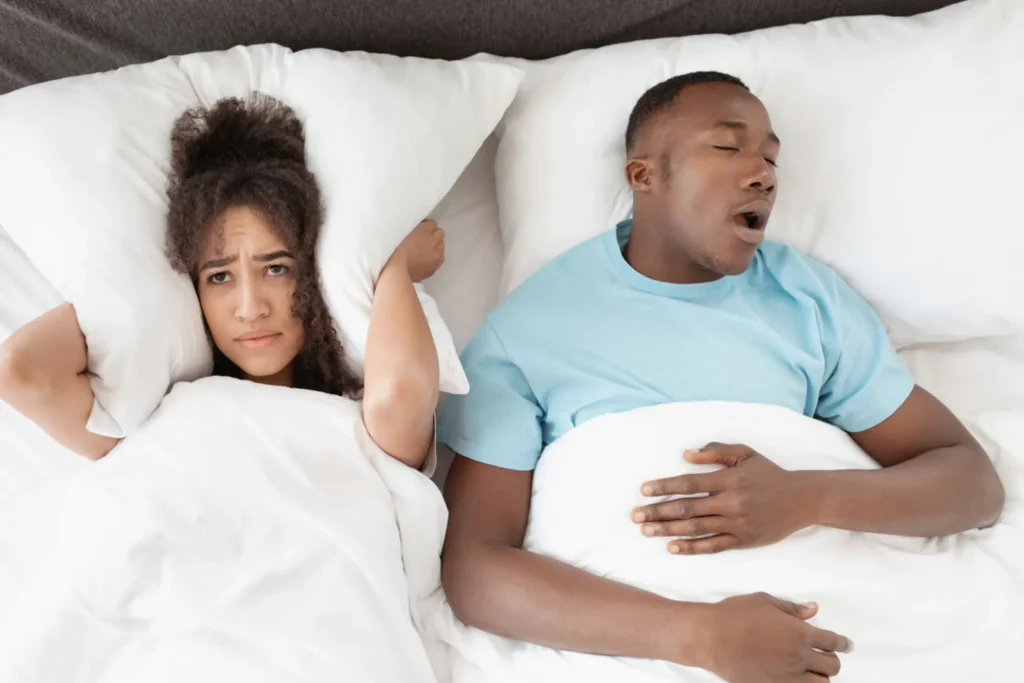
The Connection Between Snoring and Restless Sleep in Children
Snoring and restless sleep can have a significant impact on a child’s overall health. Studies have shown that children who snore regularly are more likely to have behavioral problems, such as hyperactivity and difficulty focusing. They are also at a higher risk of developing cardiovascular problems, such as high blood pressure, as they grow older. Poor sleep quality can also weaken the child’s immune system, making them more susceptible to illnesses and infections.
Snoring and restless sleep can also affect a child’s growth and development. The lack of quality sleep can lead to reduced growth hormone production, which is crucial for a child’s physical growth and development. It can also affect their cognitive development, as sleep is essential for learning and memory consolidation.
How to Help Children with Snoring and Restless Sleep
If your child snores regularly and has trouble sleeping, it is crucial to consult their pediatrician. The doctor may recommend a sleep study to determine if the child has OSA or any other underlying condition causing the snoring. In some cases, surgery may be necessary to remove enlarged tonsils or adenoids, which can improve breathing and reduce snoring.
In addition to medical treatment, there are also lifestyle changes that can help alleviate snoring and improve sleep quality in children. These include maintaining a consistent sleep schedule, ensuring a comfortable and quiet sleep environment, and avoiding caffeine and heavy meals close to bedtime. If the child has allergies, managing them can also help reduce snoring.
In some cases, a CPAP (continuous positive airway pressure) machine may be recommended to help keep the airway open during sleep. This is often used for children with severe OSA and can significantly improve their sleep quality and overall health.
Summary:
Snoring is a common problem in children, and it can have a significant impact on their sleep quality and overall health. It is often a symptom of obstructive sleep apnea, a sleep disorder that can cause breathing pauses during sleep. Snoring can lead to fragmented sleep, daytime sleepiness, and behavioral problems in children. It can also affect their growth and development. Treatment options for snoring in children include medical interventions, lifestyle changes, and the use of a CPAP machine. Consulting a pediatrician is crucial for proper diagnosis and treatment.