
Blog Post:
Menopause is a natural and inevitable process that all women go through. It marks the end of a woman’s reproductive phase and brings about various physical and emotional changes. Along with hot flashes, mood swings, and weight gain, menopause can also lead to snoring. Yes, you read that right – menopause can cause snoring! This may come as a surprise to many, but it is a common issue faced by women going through this stage of life. In this blog post, we will discuss the reasons behind menopause-related snoring and how to manage it effectively.
What Causes Menopause-Related Snoring?
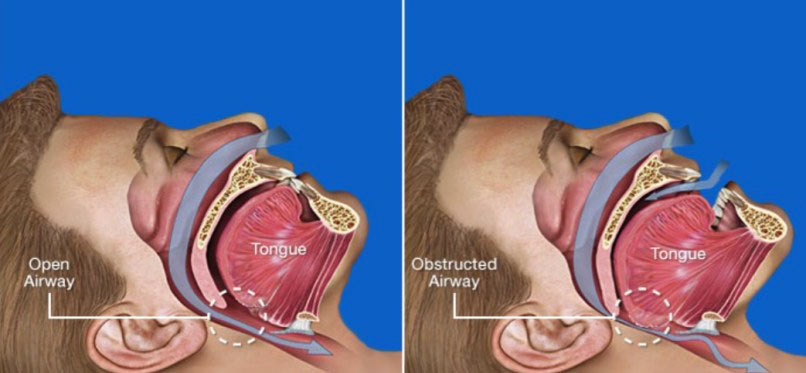
During menopause, the levels of estrogen and progesterone in a woman’s body decrease significantly. These hormones play a crucial role in maintaining muscle tone in the throat and neck. As their levels drop, the muscles in these areas become flaccid, leading to snoring. Additionally, menopause can cause weight gain, which can also contribute to snoring. Excess weight can put pressure on the airways, making it difficult for air to pass through, resulting in snoring.
Another factor that can contribute to menopause-related snoring is the loss of muscle tone in the pelvic area. The muscles in this area support the bladder and control the flow of urine. As they weaken during menopause, women may experience urinary incontinence, which can disrupt sleep and lead to snoring.
How to Manage Menopause-Related Snoring?
1. Sleep on Your Side
Sleeping on your back can worsen snoring as it allows the tongue and soft palate to collapse into the back of the throat, obstructing the airway. Sleeping on your side can help keep the airway open and reduce snoring. You can use a body pillow or place a pillow behind your back to prevent yourself from rolling onto your back while sleeping.
2. Maintain a Healthy Weight
As mentioned earlier, weight gain during menopause can contribute to snoring. It is essential to maintain a healthy weight to reduce the risk of snoring. Regular exercise and a balanced diet can help you manage your weight and improve your overall health.
3. Avoid Alcohol and Sedatives
Sleeping Through the Change: Managing Menopause-Related Snoring
Alcohol and sedatives can relax the muscles in the throat, making it easier for them to collapse and cause snoring. It is best to avoid consuming these substances, especially close to bedtime.
4. Use Nasal Strips
Nasal strips are adhesive strips that are placed on the nose to open up the nasal passages and reduce snoring. They can be a helpful temporary solution for menopause-related snoring.
5. Stay Hydrated
Drinking plenty of water can thin out the mucus in the nose and throat, making it easier to breathe and reducing the risk of snoring. It is recommended to drink at least eight glasses of water a day.
6. Seek Medical Help
If snoring is severe and affecting your quality of life, it is best to consult a doctor. They can assess your condition and suggest appropriate treatment options, such as hormone therapy or a CPAP machine, to manage menopause-related snoring.
7. Practice Good Sleep Hygiene
In addition to managing snoring, it is crucial to practice good sleep hygiene to get a restful night’s sleep during menopause. This includes maintaining a regular sleep schedule, creating a comfortable sleep environment, and avoiding stimulants like caffeine before bedtime.
Conclusion:
Menopause-related snoring can be a frustrating and disruptive issue for many women. However, with the right strategies and lifestyle changes, it can be managed effectively. It is essential to understand the underlying causes of snoring during menopause and take steps to address them. Simple changes like sleeping on your side and maintaining a healthy weight can make a significant difference. If snoring persists, it is best to seek medical help to find the best solution for your individual needs.
In summary, menopause-related snoring is a common issue faced by women due to hormonal changes and weight gain. It can be managed by sleeping on your side, maintaining a healthy weight, avoiding alcohol and sedatives, and using nasal strips. Staying hydrated, seeking medical help, and practicing good sleep hygiene can also be beneficial. With these strategies, women can effectively manage snoring and improve their quality of sleep during menopause.