
Blog Post:
Snoring is a common problem that affects many people, especially as they age. But for women going through menopause, snoring can become a more frequent and bothersome issue. Menopause is a natural process that occurs in women usually between the ages of 45 and 55, and it marks the end of a woman’s reproductive years. During this time, hormonal changes can lead to various symptoms, including snoring. In this blog post, we will explore the connection between snoring and menopause and discuss lifestyle changes that can help alleviate snoring and improve sleep quality for menopausal women.
Understanding the Connection between Snoring and Menopause:
Snoring occurs when the airway is partially blocked, causing vibrations in the throat tissues, which produce the loud, hoarse sound. Menopause can contribute to snoring in several ways. Firstly, the decline in estrogen levels can lead to weight gain, which can increase the amount of fat around the neck and throat, narrowing the airway and causing snoring. Secondly, menopause can also cause changes in the muscles and tissues in the throat, making them more prone to collapse and block the airway. Lastly, menopause can also lead to sleep disturbances and sleep apnea, both of which can contribute to snoring.
Lifestyle Changes to Alleviate Snoring during Menopause:
1. Maintain a Healthy Weight:
As mentioned earlier, weight gain during menopause can contribute to snoring. Therefore, maintaining a healthy weight through a balanced diet and regular exercise can help reduce snoring. Focus on eating whole, nutrient-dense foods and limit your intake of processed, high-fat foods. Additionally, incorporating physical activity into your daily routine can help you shed excess weight and improve overall health.
2. Avoid Alcohol and Sedatives:
Alcohol and sedatives can relax the throat muscles, making them more prone to collapse and blocking the airway. This can lead to snoring and disrupted sleep. Therefore, it is essential to limit or avoid the consumption of these substances, especially close to bedtime.
3. Quit Smoking:
Snoring and Menopause: Finding Relief Through Lifestyle Changes
Smoking can irritate the throat tissues, causing inflammation and swelling, which can narrow the airway and contribute to snoring. Moreover, smoking is also linked to an increased risk of sleep apnea, which can further worsen snoring. Quitting smoking can not only improve snoring but also have numerous other health benefits.
4. Practice Good Sleep Habits:
Establishing a regular sleep schedule and creating a relaxing sleep environment can improve sleep quality and reduce snoring. Make sure to go to bed and wake up at the same time every day, even on weekends. Keep your bedroom cool, dark, and quiet to promote quality sleep. Additionally, incorporating relaxation techniques such as meditation or deep breathing can help calm the mind and body for better sleep.
5. Elevate Your Head While Sleeping:
Elevating your head while sleeping can help keep the airway open and reduce snoring. You can use a specially designed pillow or elevate the head of your bed by a few inches to achieve this. It is important to note that simply using extra pillows may not be effective, as they can put strain on the neck and cause discomfort.
6. Try Nasal Strips or Oral Devices:
Nasal strips can help open up the nasal passages, making it easier to breathe and reducing snoring. Similarly, oral devices, such as mouthguards, can help keep the jaw and tongue in a position that prevents them from blocking the airway. These devices can be especially helpful for those with sleep apnea.
7. Consult a Doctor:
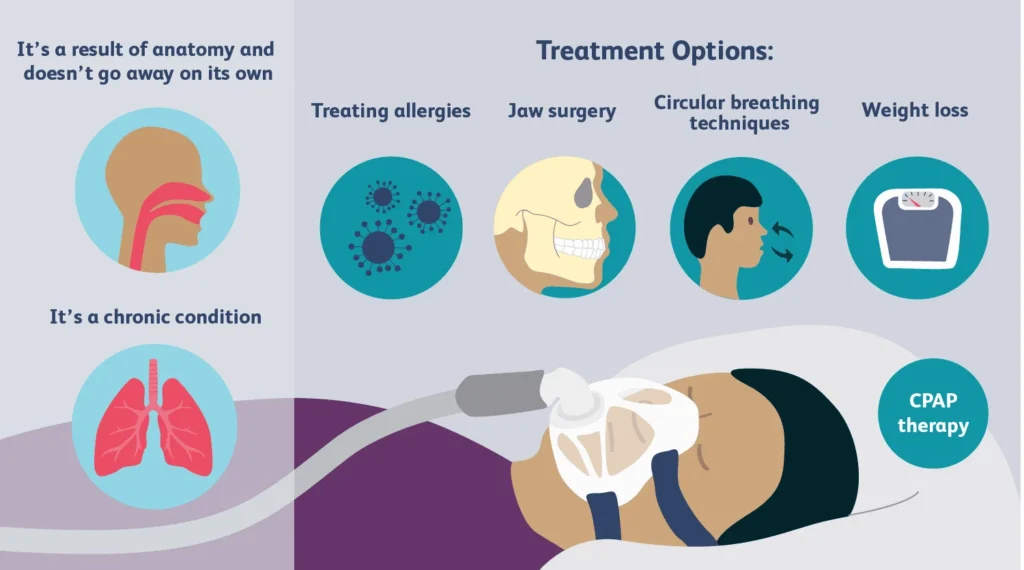
If snoring persists despite making lifestyle changes, it is essential to consult a doctor. They can help identify any underlying medical conditions, such as sleep apnea, and provide appropriate treatment. This may include the use of continuous positive airway pressure (CPAP) machines, surgery, or other medical interventions.
In Summary:
Snoring is a common problem that can worsen during menopause due to hormonal changes and other factors. However, making simple lifestyle changes can help alleviate snoring and improve sleep quality for menopausal women. These include maintaining a healthy weight, avoiding alcohol and sedatives, quitting smoking, practicing good sleep habits, elevating the head while sleeping, using nasal strips or oral devices, and consulting a doctor if necessary. By implementing these changes, women going through menopause can find relief from snoring and enjoy better sleep.