
Title: No More Snoring: Managing Menopause-Related Sleep Disturbances
Menopause is a natural part of a woman’s life, marking the end of her reproductive years. While it is a normal transition, it can bring about a variety of symptoms that can disrupt daily life. One of the most common and frustrating symptoms is sleep disturbances, specifically snoring. As estrogen levels decrease during menopause, women may experience changes in their sleep patterns, leading to snoring that can impact both their own sleep and their partner’s. In this blog post, we will explore the causes of menopause-related snoring and provide tips on how to manage it for a better night’s sleep.
Understanding Menopause and Snoring
Menopause is a natural process that occurs when a woman’s body stops producing estrogen and progesterone, leading to the end of her menstrual cycle. This typically happens between the ages of 45 and 55, with the average age being 51. As hormone levels fluctuate and decrease, women may experience a range of symptoms such as hot flashes, night sweats, mood swings, and sleep disturbances.
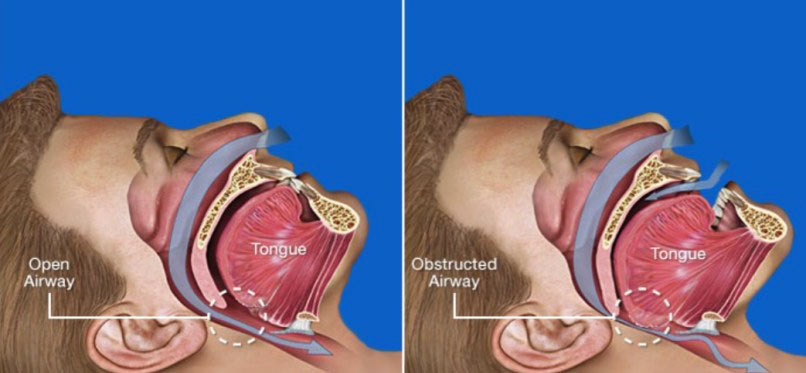
Snoring, which is the sound produced when air flows through the relaxed tissues in the throat, is a common symptom of menopause. As estrogen levels decrease, the muscles in the throat and tongue may become more relaxed, causing them to collapse and block the airway, resulting in snoring. This can also lead to another sleep disorder called obstructive sleep apnea (OSA), where breathing is interrupted during sleep, leading to frequent awakenings and poor quality sleep.
Managing Menopause-Related Snoring
Fortunately, there are ways to manage menopause-related snoring and improve the quality of sleep for both women and their partners. Here are some tips that can help:
1. Maintain a Healthy Weight
Weight gain is common during menopause, and excess weight can contribute to snoring. This is because excess fat around the neck and throat can put pressure on the airway, making it more difficult to breathe while sleeping. By maintaining a healthy weight through a balanced diet and regular exercise, women can reduce their risk of snoring and other sleep disturbances.
2. Avoid Alcohol and Smoking
No More Snoring: Managing Menopause-Related Sleep Disturbances
Alcohol and smoking can both contribute to snoring by relaxing the muscles in the throat, leading to airway obstruction. Women going through menopause should limit alcohol consumption and quit smoking to improve their overall health and reduce snoring.
3. Try Sleeping on Your Side
Sleeping on your back can worsen snoring as gravity can cause the tongue to fall back and block the airway. Instead, try sleeping on your side, which can keep the airway open and reduce snoring. Using a body pillow or sleeping with a tennis ball attached to the back of your pajamas can help you maintain a side-sleeping position.
4. Use a Humidifier
The decrease in estrogen levels during menopause can cause dryness in the nasal passages, which can lead to snoring. Using a humidifier in the bedroom can add moisture to the air and help keep the nasal passages lubricated, reducing the chances of snoring.
5. Consider Hormone Replacement Therapy (HRT)
For some women, hormone replacement therapy (HRT) can help manage menopause symptoms, including snoring. HRT involves taking estrogen and progesterone to replace the hormones that the body is no longer producing. This can help reduce snoring and improve sleep quality in women experiencing severe menopause symptoms.
6. Consult a Doctor
If snoring persists or is accompanied by other symptoms such as gasping for air during sleep, morning headaches, and excessive daytime sleepiness, it is important to consult a doctor. They can help determine if the snoring is caused by a more serious sleep disorder such as OSA and provide treatment options.
Summary:
Menopause is a natural process that can bring about a range of symptoms, including snoring. As estrogen levels decrease, the muscles in the throat and tongue may become more relaxed, leading to snoring and other sleep disturbances. To manage menopause-related snoring, women can maintain a healthy weight, avoid alcohol and smoking, try sleeping on their side, use a humidifier, and consider HRT. If snoring persists, it is important to consult a doctor for a proper diagnosis and treatment.