
Blog Post:
Snoring is a common problem that affects millions of people worldwide. Not only can it interrupt a good night’s sleep, but it can also be a sign of underlying health issues. With flu season in full swing, it’s important to address snoring in order to keep our immune systems strong and fight off any potential illnesses. In this blog post, we will discuss the Flu Fighter’s Guide to Managing Snoring, providing tips and techniques to help you and your loved ones get a better night’s sleep and stay healthy.
1. Understand the causes of snoring
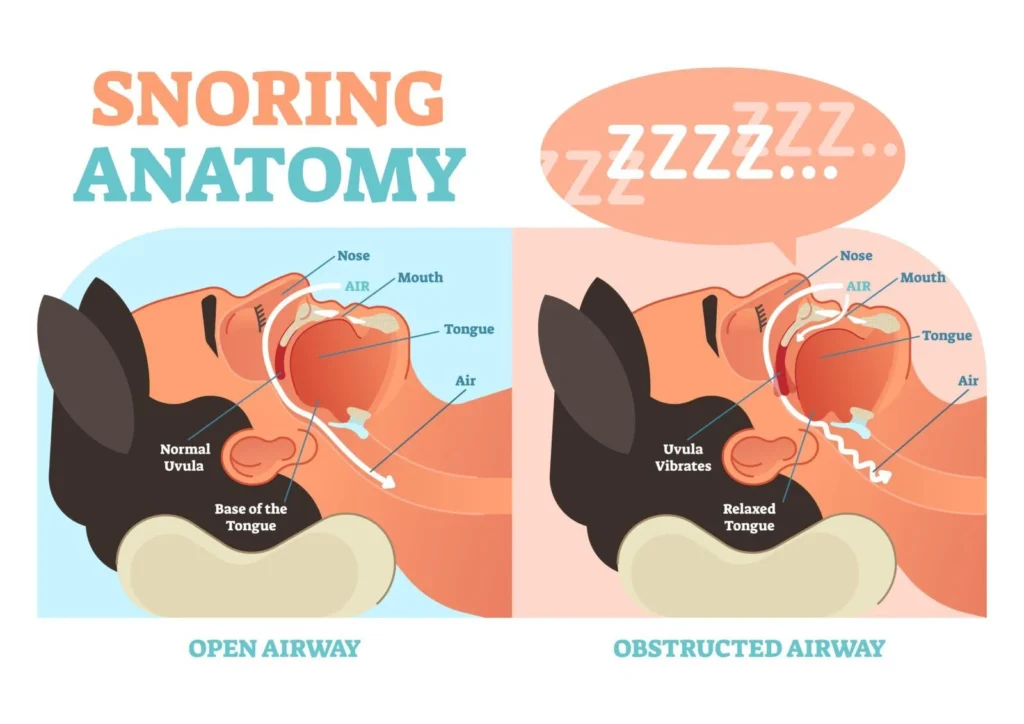
Before we can effectively manage snoring, it’s important to understand the causes behind it. Snoring occurs when the airway is partially blocked, causing vibrations in the soft tissues of the throat. This can be due to various factors such as excess weight, allergies, alcohol consumption, or sleeping position. By identifying the root cause of snoring, we can determine the best course of action to manage it.
2. Keep your nasal passages clear
During flu season, our nasal passages may become congested, leading to snoring. To combat this, it’s important to keep our nasal passages clear. This can be done by using a saline nasal spray, taking a hot shower before bedtime, or using a nasal strip. By keeping our nasal passages clear, we can reduce snoring and improve our quality of sleep.
3. Maintain a healthy weight
Excess weight can contribute to snoring as it can put pressure on the airway, causing it to narrow. This can lead to snoring and disrupted sleep. By maintaining a healthy weight, we can reduce the risk of snoring and other health issues. Incorporating regular exercise and a balanced diet can help us achieve a healthy weight and improve our overall well-being.
4. Avoid alcohol and sedatives before bedtime
The Flu Fighter's Guide to Managing Snoring
Alcohol and sedatives can relax the muscles in our throat, causing them to collapse and block the airway. This can result in snoring and disrupted sleep. During flu season, it’s important to avoid these substances before bedtime to ensure a restful night’s sleep and a stronger immune system.
5. Try sleeping on your side
Sleeping on your back can cause the tongue to fall back and block the airway, leading to snoring. By sleeping on your side, you can keep the airway open and reduce the chances of snoring. You can also try using a body pillow to help you maintain a side-sleeping position.
6. Use a humidifier
Dry air can irritate the nasal passages and cause congestion, leading to snoring. By using a humidifier, you can add moisture to the air, making it easier to breathe and reducing the risk of snoring. This is especially helpful during flu season when our bodies are more susceptible to respiratory illnesses.
7. Consult a doctor for underlying health issues
Snoring can also be a symptom of underlying health issues such as sleep apnea, allergies, or a deviated septum. If you or your loved ones are experiencing chronic snoring, it’s important to consult a doctor to determine if there are any underlying health concerns that need to be addressed. Treatment for these underlying issues can help reduce snoring and improve overall health.
In conclusion, snoring can be a nuisance that disrupts our sleep and can be a sign of underlying health issues. By understanding the causes of snoring and implementing these tips, we can effectively manage snoring and improve our overall well-being. During flu season, it’s especially important to address snoring in order to maintain a strong immune system and prevent any illnesses. By following this Flu Fighter’s Guide to Managing Snoring, you and your loved ones can enjoy a better night’s sleep and a healthier lifestyle.
Summary:
Snoring is a common problem that can interrupt a good night’s sleep and be a sign of underlying health issues. To effectively manage snoring during flu season, it’s important to understand its causes and take necessary steps. This includes keeping nasal passages clear, maintaining a healthy weight, avoiding alcohol and sedatives, sleeping on your side, using a humidifier, and consulting a doctor for underlying health issues. By following these tips, we can reduce snoring and improve our overall well-being.