
Snoring is a common issue that affects millions of people, causing sleep disturbances for both the snorer and their bed partner. While many see snoring as simply a nuisance, it may have a more significant impact on our lives than we realize. In fact, recent research has uncovered a surprising link between snoring and sports success. It turns out that the quality of our sleep, affected by snoring, can have a direct impact on our athletic performance.
To understand this link, we need to first understand what causes snoring. Snoring occurs when the airway is partially blocked, usually by the relaxation of the muscles in the throat. This causes vibrations in the soft tissues, resulting in the characteristic snoring sound. Snoring is more common in people who are overweight, have a larger neck circumference, or have a history of nasal congestion or allergies. It can also be a symptom of more serious conditions such as sleep apnea.
So how does snoring affect our athletic performance? It all comes down to the quality of our sleep. When we snore, our sleep is disrupted, leading to less restorative sleep. This means that even if we spend the recommended 8 hours in bed, we may not be getting the quality of sleep our bodies need. This can lead to daytime drowsiness, fatigue, and difficulty concentrating, all of which can significantly impact our athletic performance.
One study conducted by the American Academy of Sleep Medicine found that athletes who snore were more likely to experience daytime sleepiness and fatigue, leading to a decline in their performance. The study also showed that athletes who snore had a higher risk of injury due to their reduced alertness and reaction time. This is especially concerning in sports that require quick reflexes and split-second decision making.
But it’s not just about sleep disruption. Snoring can also affect our breathing and oxygen intake during sleep. When we snore, our airway is partially blocked, making it harder for oxygen to reach our lungs. This can lead to decreased oxygen levels in the blood, resulting in fatigue and lowered endurance. In fact, a study published in the Journal of Applied Physiology found that snoring can decrease an athlete’s VO2 max (a measure of aerobic fitness) by 14%. This can have a significant impact on an athlete’s ability to perform at their best.
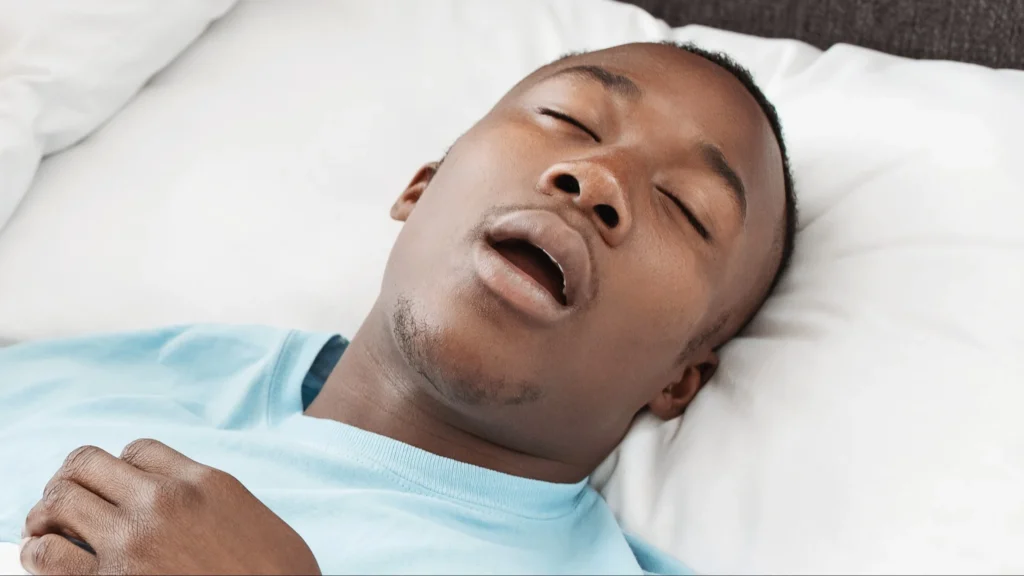
The Surprising Link Between Snoring and Sports Success
So what can athletes do to improve their performance and reduce the negative effects of snoring? The most obvious solution would be to seek treatment for snoring. This can involve lifestyle changes such as losing weight, quitting smoking, or using nasal strips or sprays. For more severe cases, a doctor may recommend a continuous positive airway pressure (CPAP) machine to keep the airway open during sleep.
But even for those who do not snore, improving sleep quality can have a positive impact on athletic performance. This includes practicing good sleep hygiene, such as sticking to a consistent sleep schedule and creating a comfortable sleep environment. It’s also important to address any underlying sleep disorders, such as sleep apnea, that may be causing snoring or sleep disruption.
In addition to improving athletic performance, addressing snoring and sleep issues can also have a positive impact on overall health. Poor sleep has been linked to a variety of health issues, including obesity, diabetes, and heart disease. By taking steps to improve sleep quality, athletes can not only improve their performance but also their overall well-being.
In summary, snoring may seem like a minor inconvenience, but it can have a surprising impact on athletic performance. By disrupting sleep quality and oxygen intake, snoring can lead to decreased alertness, fatigue, and reduced endurance. Athletes who snore may also be at a higher risk of injury due to their compromised reaction time. Therefore, it’s essential for athletes to address snoring and other sleep issues to optimize their athletic performance and overall health.
SEO metadata: