
Blog Post:
Snoring is a common issue that affects millions of people around the world. While it may seem like a harmless habit, snoring can actually have a significant impact on various aspects of our daily lives, including our performance in team sports. In this blog post, we will explore the relationship between snoring and team sports performance, and how this issue can affect individual athletes and entire teams.
Firstly, it is important to understand what causes snoring. Snoring occurs when the airway in our throat becomes partially blocked during sleep, causing vibrations in the soft tissues of the throat. This obstruction can be caused by a variety of factors, such as allergies, a deviated septum, or excess weight. Regardless of the cause, snoring can lead to disrupted sleep, which can have a domino effect on our physical and mental well-being.
One of the most significant impacts of snoring on team sports performance is the disruption it causes to an athlete’s sleep patterns. Quality sleep is essential for athletes to perform at their best, as it allows the body to rest and recover from the physical demands of training and competition. However, snoring can lead to frequent awakenings and less restful sleep, resulting in fatigue and decreased energy levels the next day. This can have a direct impact on an athlete’s performance, as they may feel sluggish and unable to give their best effort on the field or court.
Moreover, snoring can also affect an athlete’s cognitive abilities. Sleep is crucial for the brain to function properly, and disrupted sleep can lead to impaired cognitive function, including decreased focus, concentration, and decision-making skills. In team sports, where split-second decisions and precise movements are essential, this can have a significant impact on overall performance. Athletes who snore may find it challenging to keep up with the fast pace of the game and make quick and accurate decisions, ultimately affecting the team’s performance.
Another area where snoring can affect team sports performance is in the area of physical health. As mentioned earlier, snoring can be caused by excess weight, and those who snore are more likely to be overweight or obese. This excess weight can lead to various health issues, such as high blood pressure and heart disease, which can affect an athlete’s overall fitness and endurance. In team sports, where physical fitness is crucial, athletes who snore may struggle to keep up with their teammates, leading to a decline in team performance.
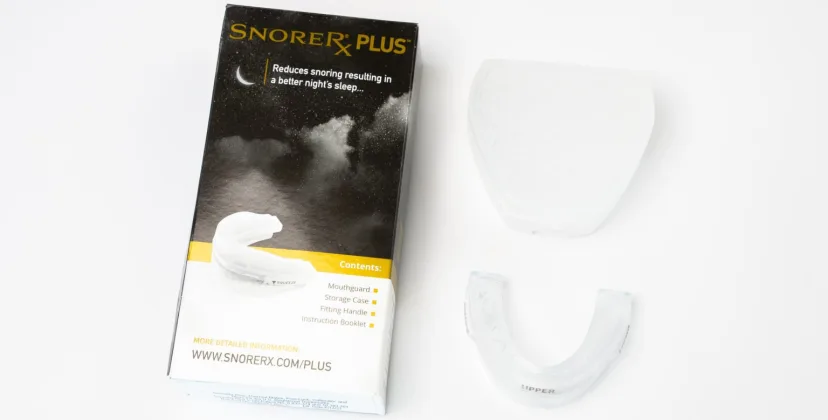
The Impact of Snoring on Team Sports Performance
Furthermore, snoring can also have a negative impact on an athlete’s mental health. Sleep is essential for our emotional well-being, and disrupted sleep can lead to irritability, mood swings, and even depression. In team sports, where communication and teamwork are vital, an athlete’s mood and emotions can affect the overall dynamics of the team. If an athlete is constantly tired and irritable due to snoring, it can lead to tension and conflicts within the team, ultimately affecting team performance.
In addition to the direct impact on individual athletes, snoring can also affect team dynamics and chemistry. As mentioned earlier, snoring can lead to fatigue, decreased cognitive function, and irritability, all of which can affect an athlete’s ability to work well with their teammates. In team sports, where trust, communication, and teamwork are essential, any disruptions in these areas can have a significant impact on team performance. Snoring can also cause resentment or frustration among teammates, leading to a breakdown in team chemistry and a decline in overall team performance.
It is essential for coaches and team managers to address the issue of snoring among their athletes. By identifying and addressing the underlying causes of snoring, such as allergies or excess weight, athletes can receive the necessary treatment to improve their sleep quality. This, in turn, can lead to improved physical and mental well-being, resulting in better performance on the field or court. Team managers should also encourage open communication among teammates and create an environment where athletes feel comfortable addressing any issues they may have, including snoring.
In conclusion, snoring may seem like a minor issue, but its impact on team sports performance can be significant. From disrupted sleep to decreased physical and mental abilities, snoring can affect an athlete’s overall performance, as well as team dynamics and chemistry. By addressing this issue and promoting healthy sleep habits among athletes, teams can improve their overall performance and achieve greater success on the field or court.
Summary:
Snoring is a common issue that can have a significant impact on team sports performance. It can disrupt an athlete’s sleep, leading to fatigue and decreased energy levels, as well as impaired cognitive function. Snoring can also affect an athlete’s physical health, mental well-being, and team dynamics, ultimately affecting team performance. It is crucial for coaches and team managers to address snoring among their athletes and promote healthy sleep habits to improve overall performance.