
Snoring is a common occurrence that affects millions of people, and is often seen as an annoyance or even a source of embarrassment. However, what many people don’t realize is that snoring can actually play a crucial role in muscle recovery for athletes. In this blog post, we will explore the connection between snoring and muscle recovery, and how athletes can optimize their sleep to improve their performance.
First, it’s important to understand what snoring is and how it affects the body. Snoring is caused by the vibration of tissues in the throat and upper airway, which can be due to factors such as enlarged tonsils, a deviated septum, or excess weight. This vibration can disrupt the normal airflow and cause a person to make loud, harsh sounds while sleeping.
For athletes, snoring can be particularly problematic as it can lead to poor quality sleep. During the rapid eye movement (REM) stage of sleep, our brains are most active and this is when our bodies repair and regenerate muscles. However, snoring can disrupt this stage of sleep, leading to less efficient muscle recovery. This can have a negative impact on an athlete’s performance and overall health.
One of the main ways snoring affects muscle recovery is by reducing the amount of oxygen that reaches the muscles. The vibration of tissues in the throat can cause temporary pauses in breathing, known as sleep apnea. This can lead to a decrease in oxygen levels in the body, which is essential for muscle repair and growth. Without enough oxygen, the muscles may not be able to recover properly, leading to fatigue and soreness.
In addition, snoring can also disrupt the body’s natural production of growth hormone. Growth hormone is responsible for promoting muscle growth and repair, as well as regulating our metabolism and immune system. However, when sleep is disrupted by snoring, the body may not produce enough growth hormone, leading to slower muscle recovery.
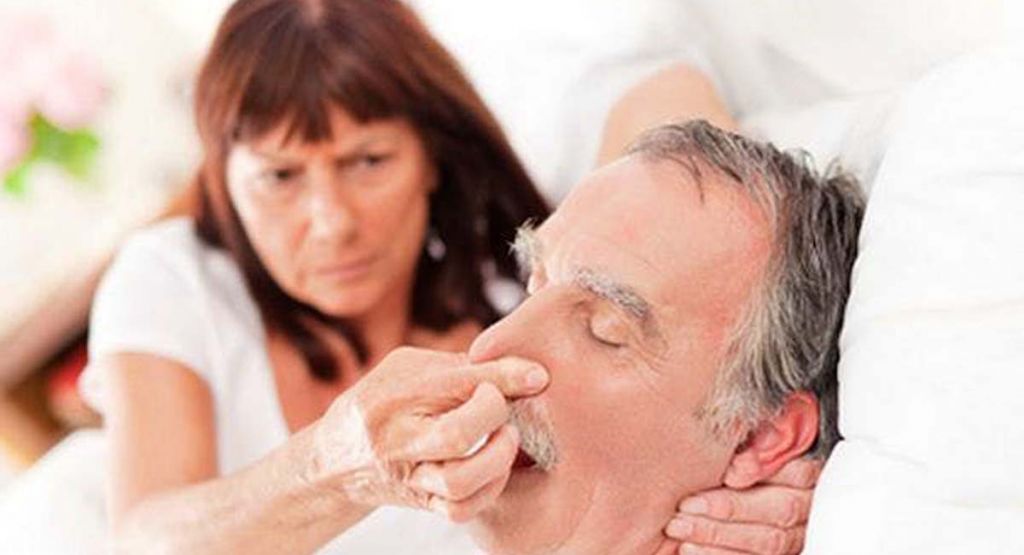
The Role of Snoring in Muscle Recovery for Athletes
Furthermore, snoring can also affect an athlete’s ability to reach deep, restorative sleep. This stage of sleep is crucial for repairing and restoring the body, including muscles. However, snoring can cause frequent awakenings and disruptions during this stage, preventing the body from fully recharging.
So, what can athletes do to improve their sleep and optimize their muscle recovery? The first step is to address the underlying causes of snoring. This may involve consulting a doctor to determine if there are any medical reasons for snoring, such as sleep apnea. In some cases, lifestyle changes such as weight loss or adjusting sleeping positions can also help reduce snoring.
Another important factor is to establish a consistent sleep schedule. This means going to bed and waking up at the same time each day, even on weekends. This can help regulate the body’s internal clock and improve the quality of sleep.
In addition, incorporating relaxation techniques before bed, such as deep breathing or meditation, can help promote better sleep and reduce snoring. Avoiding caffeine, alcohol, and heavy meals close to bedtime can also improve sleep quality.
For athletes who have trouble with snoring, using a snoring aid or mouthpiece can also be beneficial. These devices work by keeping the airway open and preventing the vibration of tissues in the throat, thus reducing snoring and improving sleep quality.
In conclusion, snoring may seem like a harmless annoyance, but for athletes, it can have a significant impact on muscle recovery and overall performance. By addressing the root causes of snoring and implementing healthy sleep habits, athletes can improve their sleep and optimize their muscle recovery. So, the next time you hear someone snoring, remember that it’s not just a nuisance, but a crucial factor in an athlete’s recovery and success.