
Snoring is a common issue that affects millions of people worldwide, and it is often seen as a harmless annoyance. However, what many people do not realize is that snoring can have a significant impact on athletic training and performance. In this blog post, we will explore the hidden obstacle of snoring in athletic training and how it can affect an athlete’s overall health and performance.
First and foremost, it is essential to understand what snoring is and why it occurs. Snoring is the sound that is created when the upper airway is partially blocked during sleep. This blockage can be caused by several factors, such as nasal congestion, enlarged tonsils, or a deviated septum. When the airway is partially obstructed, it causes vibrations in the throat, resulting in the loud snoring sound.
So, how does snoring affect athletic training? One of the main ways is through the quality of sleep. Athletes require a significant amount of rest to perform at their best, and snoring can disrupt this sleep. The constant interruptions from snoring can prevent an athlete from reaching deep, restorative sleep, which is essential for muscle recovery and growth. As a result, the athlete may wake up feeling tired and fatigued, which can impact their training and performance.
Moreover, snoring can also lead to sleep apnea, a serious sleep disorder that causes a person to stop breathing for short periods during sleep. Sleep apnea can cause a decrease in oxygen levels in the body, leading to fatigue, daytime sleepiness, and poor performance. It can also increase the risk of high blood pressure, heart disease, and stroke, all of which can have a significant impact on an athlete’s health and ability to train.
Aside from sleep quality and apnea, snoring can also contribute to sports injuries. Studies have shown that athletes who snore are at a higher risk of musculoskeletal injuries, such as sprains, strains, and fractures. This is because snoring can disrupt the body’s natural healing process, leading to delayed recovery and increased susceptibility to injuries. The lack of quality sleep caused by snoring can also affect an athlete’s reaction time, coordination, and balance, making them more prone to accidents and injuries.
Snoring: The Hidden Obstacle in Athletic Training
Moreover, snoring can also impact an athlete’s overall health and well-being. As mentioned earlier, sleep apnea can lead to serious health issues, but even simple snoring can have adverse effects. The constant vibration of the throat can irritate the airway and lead to inflammation, which can cause sore throats, dry mouth, and even headaches. These symptoms can affect an athlete’s daily life and training, making it challenging to perform at their best.
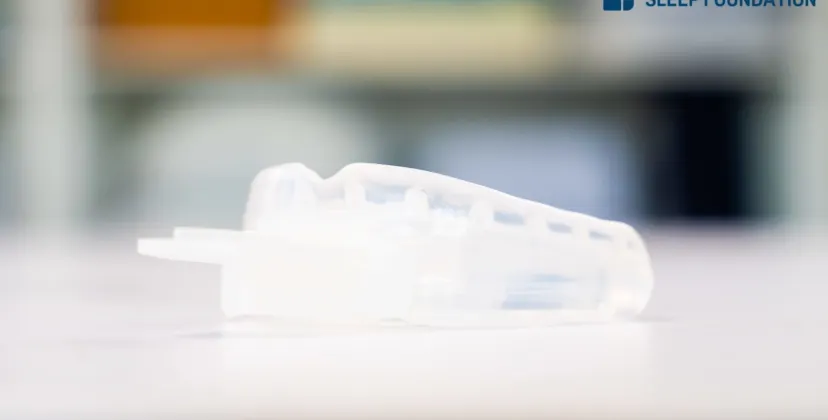
Fortunately, there are ways to address snoring and its impact on athletic training. One of the most common solutions is using a continuous positive airway pressure (CPAP) machine, which delivers steady air pressure to keep the airway open during sleep. This can be particularly helpful for athletes with sleep apnea, but it may not be suitable for everyone. Other options include oral devices that help keep the airway open or surgery to correct any physical obstructions in the airway.
Aside from these interventions, there are also lifestyle changes that athletes can make to reduce snoring and improve their overall sleep quality. These include maintaining a healthy weight, avoiding alcohol and sedatives before bedtime, and practicing good sleep hygiene, such as sleeping in a dark and quiet room.
In conclusion, snoring may seem like a minor annoyance, but it can have a significant impact on athletic training and performance. From sleep quality and apnea to sports injuries and overall health, snoring can be a hidden obstacle that athletes need to address to reach their full potential. By understanding the causes and effects of snoring and implementing proper interventions and lifestyle changes, athletes can improve their sleep and, in turn, their training and performance.
SEO metadata: