
Snoring is a common problem that affects many individuals, especially athletes. While snoring may seem like a harmless nuisance, it can actually have a significant impact on the performance of combat sports athletes. In this blog post, we will dive into the effects of snoring on performance in combat sports and how athletes can address this issue to improve their overall performance.
Firstly, let’s understand what snoring is and why it happens. Snoring is the sound produced when the airway is partially obstructed during sleep. This obstruction can be caused by various factors such as excess weight, enlarged tonsils or adenoids, nasal congestion, or a deviated septum. When these structures obstruct the airway, it causes the soft tissues in the throat to vibrate, resulting in the snoring sound.
Now, how does snoring affect performance in combat sports? The first and most obvious effect is the disruption of sleep. Athletes need quality sleep to perform at their best, and snoring can significantly impact their sleep quality. It can lead to frequent awakenings, reduced deep sleep, and overall poor sleep quality. This can result in daytime fatigue, lack of energy, and decreased concentration, all of which can greatly affect an athlete’s performance in training and competition.
But the impact of snoring goes beyond just disrupting sleep. It can also lead to a condition called sleep apnea. Sleep apnea is a serious sleep disorder where an individual experiences pauses in breathing or shallow breathing during sleep. This can happen multiple times throughout the night and can last from a few seconds to minutes. As a result, the body and brain do not get enough oxygen, leading to various health issues.
Sleep apnea is particularly concerning for combat sports athletes as it can lead to decreased oxygen levels, which can impact their cardiovascular endurance. This can be a significant disadvantage in a sport where stamina and endurance are crucial for success. Additionally, sleep apnea can also affect the body’s ability to recover and repair itself, leading to longer recovery times and increased risk of injury.
Moreover, snoring and sleep apnea can also affect an athlete’s mental health. Lack of quality sleep can lead to irritability, mood swings, and even depression. These are all factors that can negatively impact an athlete’s performance in combat sports. It takes a lot of mental focus and determination to excel in this physically demanding sport, and snoring can hinder an athlete’s ability to achieve that.
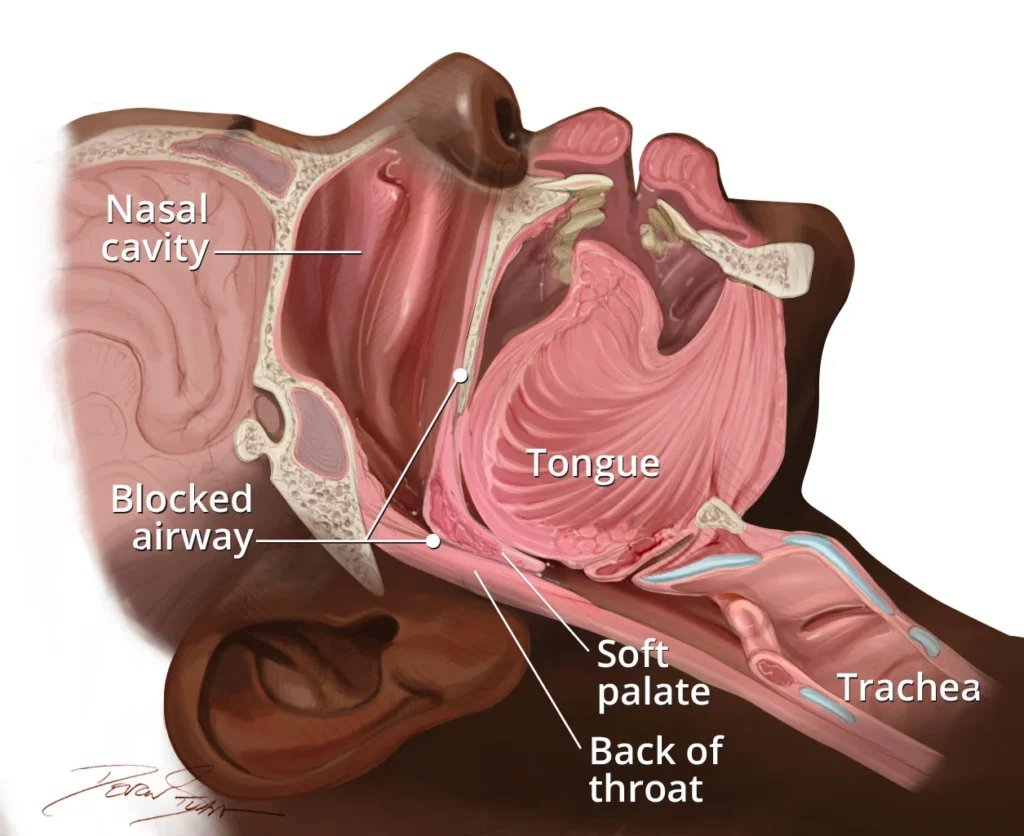
Snoring and Its Effect on Performance in Combat Sports
So, what can combat sports athletes do to address snoring and its effects on their performance? The first step is to identify the root cause of snoring. As mentioned earlier, snoring can be caused by various factors, and addressing the underlying issue is crucial in finding a solution. For instance, if excess weight is the cause, then weight loss through a healthy diet and regular exercise can help alleviate snoring.
Another effective solution is the use of snoring aids such as nasal strips, mouthpieces, or nasal dilators. These devices work by keeping the airway open, allowing for better airflow and reducing snoring. However, it is essential to consult a healthcare professional before using any snoring aids to ensure they are safe and effective for the individual.
In more severe cases, where snoring is caused by sleep apnea, a continuous positive airway pressure (CPAP) machine may be prescribed. This device delivers a steady stream of air through a mask worn over the nose or mouth, keeping the airway open and promoting better breathing during sleep.
In addition to these solutions, there are also lifestyle changes that combat sports athletes can make to reduce snoring. These include avoiding alcohol and sedatives before bedtime, sleeping on their side instead of their back, and maintaining a regular sleep schedule.
In conclusion, snoring may seem like a minor annoyance, but it can have a significant impact on the performance of combat sports athletes. It disrupts sleep, affects cardiovascular endurance, and can lead to mental health issues, all of which can hinder an athlete’s success in the ring. However, by identifying the root cause and implementing solutions such as lifestyle changes and snoring aids, athletes can improve their sleep quality and ultimately enhance their performance in combat sports.
In summary, snoring can have a significant impact on the performance of combat sports athletes. It disrupts sleep, affects cardiovascular endurance, and can lead to mental health issues, all of which can hinder an athlete’s success in the ring. Identifying the root cause and implementing solutions such as lifestyle changes and snoring aids can help combat sports athletes improve their sleep quality and overall performance.