
Nasal Strips vs. Other Snoring Remedies: Which is Better?
Snoring is a common problem that affects millions of people worldwide. It not only disrupts the sleep of the person snoring but also their partner and even other family members. This can lead to a host of issues such as daytime fatigue, irritability, and even relationship problems. As a result, many people seek out remedies to help alleviate snoring and improve their overall sleep quality. One popular option is nasal strips, but are they really the best solution? In this blog post, we will explore the effectiveness of nasal strips compared to other snoring remedies to determine which one is better for snoring relief.
What are Nasal Strips?
Nasal strips, also known as nasal dilators, are adhesive strips that are placed on the nose to help open up the nasal passages. They work by gently lifting the sides of the nose, which can help improve airflow and reduce snoring. Nasal strips are typically made of flexible, plastic bands with an adhesive backing that sticks to the skin. They come in various sizes and shapes to fit different nose shapes and sizes.
Other Snoring Remedies
Aside from nasal strips, there are several other snoring remedies available in the market. These include oral devices, nasal sprays, and lifestyle changes. Oral devices, also known as mandibular advancement devices, are worn in the mouth to help keep the airway open while sleeping. Nasal sprays, on the other hand, work by reducing inflammation in the nasal passages, allowing for better airflow. Lifestyle changes, such as losing weight, avoiding alcohol before bedtime, and sleeping on your side, can also help reduce snoring.
Effectiveness of Nasal Strips
Nasal strips have gained popularity as a snoring remedy due to their non-invasive and easy-to-use nature. They are readily available over the counter, and many people find them to be comfortable to wear while sleeping. However, there is limited scientific evidence to support their effectiveness in reducing snoring. While they may help open up the nasal passages, they do not address other potential causes of snoring, such as a narrow airway or weak throat muscles.
Nasal Strips vs. Other Snoring Remedies: Which is Better?
Effectiveness of Other Snoring Remedies
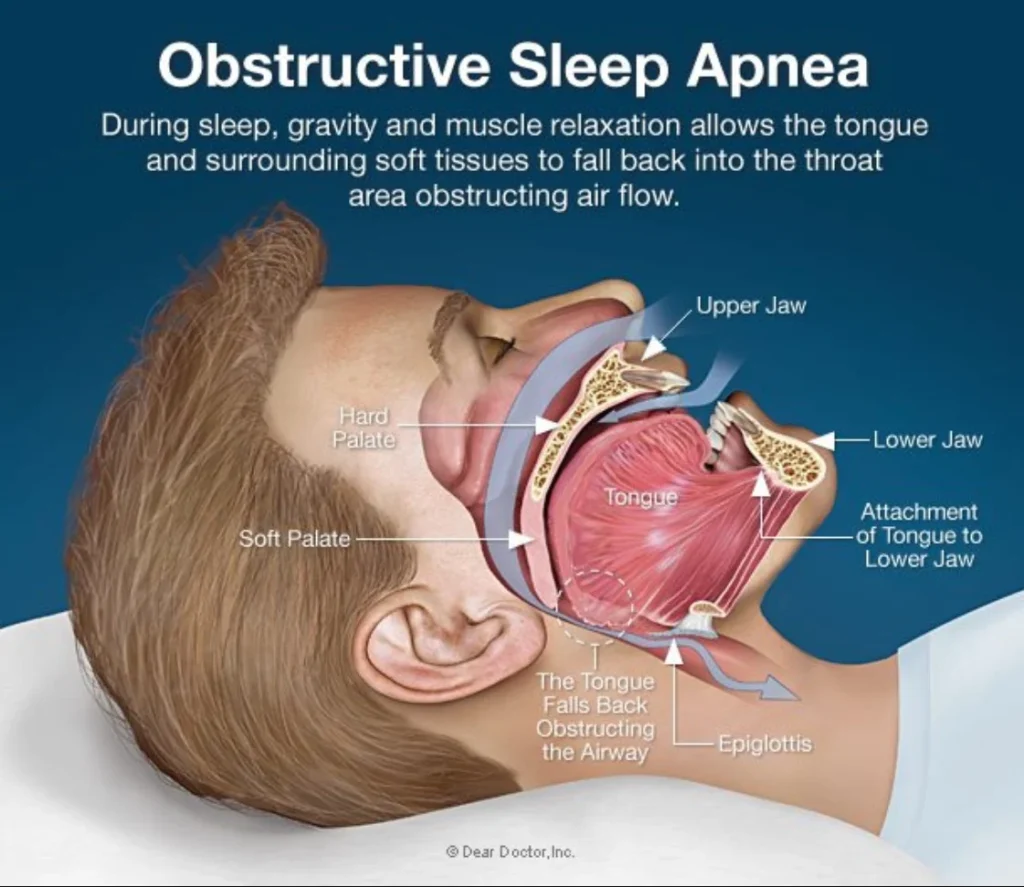
Oral devices have been found to be effective in reducing snoring in many cases. They can help keep the airway open and prevent the tongue from falling back and blocking the throat. However, they may cause discomfort and may take some time to get used to. Nasal sprays have also been found to be effective for some people, particularly those with allergies or congestion. However, they may not work for everyone, and some people may experience side effects such as dryness or irritation in the nose.
Lifestyle changes, such as losing weight and avoiding alcohol before bedtime, can also be effective in reducing snoring. Being overweight can contribute to snoring by causing excess tissue in the throat, while alcohol can relax the muscles in the throat, leading to snoring. Sleeping on your side can also help keep the airway open and reduce snoring. However, these lifestyle changes may not be feasible for everyone, and some people may still experience snoring despite making these changes.
Which is Better: Nasal Strips or Other Snoring Remedies?
The effectiveness of a snoring remedy can vary from person to person. While some people may find relief with nasal strips, others may need a combination of different remedies to effectively reduce snoring. It is essential to identify the underlying cause of snoring to determine the best course of treatment.
Nasal strips may be a good option for those who have mild snoring due to nasal congestion or narrow nasal passages. They are also a good starting point for those who want to try a non-invasive and readily available solution. However, if nasal strips do not provide enough relief, it may be necessary to explore other options such as oral devices or lifestyle changes.
In some cases, a combination of different snoring remedies may be necessary. For example, using nasal strips in combination with an oral device may provide better results for some individuals. It is essential to consult with a healthcare professional to determine the best course of treatment for individual needs.
In Summary
Nasal strips are a popular and easy-to-use option for snoring relief, but they may not be effective for everyone. Other snoring remedies, such as oral devices, nasal sprays, and lifestyle changes, may also be necessary to effectively reduce snoring. It is essential to identify the underlying cause of snoring and consult with a healthcare professional to determine the best course of treatment. A combination of different remedies may provide the best results for snoring relief.