
Quiet Nights Ahead: Tips for Managing Snoring and Acid Reflux
Do you or your partner struggle with snoring and acid reflux? These common sleep disturbances can not only disrupt your rest, but also affect your overall health and well-being. But fear not, there are steps you can take to manage these issues and enjoy peaceful, quiet nights ahead. In this blog post, we will delve into the causes of snoring and acid reflux, and provide tips for managing them to improve your sleep quality.
Understanding Snoring
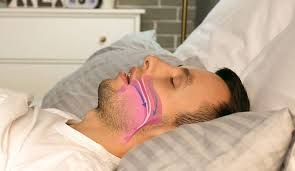
Snoring is a common condition that occurs when the airway is partially obstructed during sleep, causing vibrations in the throat. This can be caused by a variety of factors, including excess weight, alcohol consumption, nasal congestion, and sleeping on your back. It is also more prevalent in men and tends to worsen with age. While occasional snoring may not be a cause for concern, chronic snoring can lead to fatigue, irritability, and even more serious health issues such as high blood pressure and heart disease.
Managing Snoring
If you or your partner snore, it’s important to address the underlying cause in order to reduce or eliminate the issue. Here are some tips to help you manage snoring and enjoy a peaceful night’s sleep:
1. Maintain a Healthy Weight: Excess weight can contribute to snoring by narrowing the airway and making it more difficult to breathe. Losing weight, even just a few pounds, can help alleviate snoring.
2. Avoid Alcohol and Sedatives: These substances can relax the muscles in the throat and contribute to snoring. Limiting or avoiding their use before bedtime can help reduce snoring.
3. Change Sleeping Positions: Sleeping on your back can cause the tongue to fall back and obstruct the airway, leading to snoring. Try sleeping on your side or stomach to keep the airway open.
4. Keep Nasal Passages Clear: Nasal congestion can also contribute to snoring. Use a humidifier, nasal strips, or saline spray to help keep your nasal passages clear.
5. Consider a Mouthpiece or CPAP Machine: These devices can help keep the airway open and prevent snoring. Consult with a doctor to determine which option is best for you.
Quiet Nights Ahead: Tips for Managing Snoring and Acid Reflux
Understanding Acid Reflux
Acid reflux, also known as gastroesophageal reflux disease (GERD), occurs when stomach acid flows back into the esophagus. This can cause a burning sensation in the chest, known as heartburn, and disrupt sleep. It is often triggered by certain foods, stress, and lying down after eating. Chronic acid reflux can lead to inflammation and damage to the esophagus, and increase the risk of developing esophageal cancer.
Managing Acid Reflux
If you suffer from acid reflux, there are steps you can take to manage the symptoms and prevent them from disrupting your sleep:
1. Identify Trigger Foods: Keep track of what you eat and drink, and avoid or limit foods that trigger your acid reflux. Common triggers include spicy foods, citrus fruits, tomatoes, and caffeine.
2. Eat Small, Frequent Meals: Eating large meals can put pressure on the stomach and increase the risk of acid reflux. Instead, opt for smaller, more frequent meals throughout the day.
3. Don’t Eat Before Bedtime: Lying down after eating can increase the likelihood of acid reflux. Try to eat at least two to three hours before bedtime.
4. Elevate Your Head: Elevating your head and upper body can help prevent acid from flowing back into the esophagus. You can do this by using a wedge pillow or propping up the head of your bed with blocks.
5. Manage Stress: Stress can exacerbate acid reflux, so finding ways to manage stress such as exercise, meditation, or therapy can help reduce symptoms.
Summary:
Snoring and acid reflux are common sleep disturbances that can disrupt your rest and affect your overall health. Snoring is often caused by factors such as excess weight, alcohol consumption, and sleeping on your back, while acid reflux is triggered by certain foods, stress, and lying down after eating. To manage these issues, it’s important to address the underlying causes and make lifestyle changes such as maintaining a healthy weight, avoiding trigger foods, and managing stress. In more severe cases, medical devices may be recommended. By following these tips, you can improve your sleep quality and enjoy quiet nights ahead.