
Snooze, Don’t Snore: Managing Acid Reflux for Better Rest
Acid reflux, also known as gastroesophageal reflux disease (GERD), is a common condition that affects millions of people worldwide. It occurs when stomach acid flows back up into the esophagus, causing a burning sensation in the chest and throat. While acid reflux is often associated with heartburn and digestive issues, it can also have a significant impact on one’s sleep quality. In fact, studies have shown that people with acid reflux are more likely to experience disrupted sleep and daytime fatigue. If you’re struggling with acid reflux and are tired of restless nights, it’s time to prioritize managing your symptoms for a better rest. In this blog post, we’ll explore the link between acid reflux and sleep and share some tips for managing acid reflux for a more restful slumber.
The Connection Between Acid Reflux and Sleep
Acid reflux can significantly disrupt your sleep in several ways. Firstly, the burning sensation in the chest and throat can make it difficult to fall asleep or stay asleep. This discomfort can be particularly problematic for those who prefer to sleep on their back, as the acid can easily flow back up into the esophagus while lying in this position. Secondly, acid reflux can also trigger other sleep disorders such as sleep apnea, which can further disrupt one’s sleep quality. Finally, acid reflux can lead to a condition called nocturnal reflux, where symptoms only occur at night, making it challenging to get a good night’s rest.
Tips for Managing Acid Reflux for Better Sleep
1. Elevate Your Upper Body While Sleeping
One of the simplest ways to manage acid reflux symptoms while sleeping is to elevate your upper body. This can be achieved by using a wedge pillow or propping up your bed’s head with blocks or books. By elevating your upper body, gravity can help keep stomach acid down and reduce the likelihood of it flowing back up into the esophagus. Additionally, sleeping in an elevated position can also help with snoring and sleep apnea, providing a more comfortable and restful slumber.
2. Avoid Eating Close to Bedtime
Eating too close to bedtime can worsen acid reflux symptoms. When you lie down after eating, it’s easier for stomach acid to flow back up into the esophagus. To avoid this, try to eat your last meal at least two to three hours before bedtime. Additionally, avoid foods that can trigger acid reflux, such as spicy, acidic, or fatty foods. Instead, opt for lighter, more easily digestible meals in the evening to reduce the likelihood of experiencing acid reflux symptoms while sleeping.
3. Limit Alcohol and Caffeine Intake
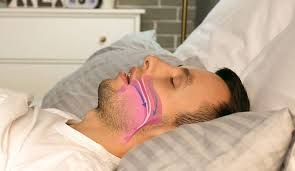
Snooze, Don't Snore: Managing Acid Reflux for Better Rest
Both alcohol and caffeine can relax the muscles at the bottom of the esophagus, making it easier for stomach acid to flow back up. Limiting your intake of these beverages, especially in the evening, can help manage acid reflux symptoms and promote better sleep. If you do choose to indulge in alcohol or caffeine, try to do so earlier in the day and in moderation.
4. Sleep on Your Left Side
While it’s essential to elevate your upper body while sleeping, the position in which you sleep can also make a difference. Sleeping on your left side can help reduce acid reflux symptoms as it keeps your stomach below your esophagus, making it more difficult for acid to flow back up. This position is also beneficial for pregnant women experiencing acid reflux, as it takes pressure off the abdominal area.
5. Try Natural Remedies
There are a variety of natural remedies that can help manage acid reflux symptoms and promote better sleep. Some people have found relief from drinking chamomile tea before bedtime, as it has natural anti-inflammatory properties. Others have found success with apple cider vinegar, which is believed to balance stomach acid levels. However, it’s crucial to consult with a healthcare professional before trying any natural remedies, as they may interact with medication or worsen existing conditions.
6. Consult with a Doctor
If you’ve tried the above tips and are still experiencing disruptive acid reflux symptoms while sleeping, it’s essential to consult with a doctor. They can help determine the underlying cause of your acid reflux and provide personalized treatment options. Additionally, they can also screen for other sleep disorders that may be contributing to your symptoms and provide appropriate treatment.
Don’t Let Acid Reflux Disrupt Your Rest
Acid reflux can significantly impact your sleep quality and overall well-being. By following these tips and consulting with a healthcare professional, you can better manage your symptoms and enjoy a more restful slumber. Remember to prioritize a healthy lifestyle, including a balanced diet, regular exercise, and stress management, as these can also help reduce acid reflux symptoms and promote better sleep. Don’t let acid reflux take over your nights, take control of your symptoms, and enjoy a good night’s rest.
In summary, acid reflux can significantly disrupt sleep and lead to daytime fatigue. To manage these symptoms and promote better rest, it’s essential to elevate your upper body while sleeping, avoid eating close to bedtime, limit alcohol and caffeine intake, sleep on your left side, try natural remedies, and consult with a doctor if symptoms persist. Prioritizing a healthy lifestyle can also help reduce acid reflux symptoms and improve sleep quality. Don’t let acid reflux control your nights and take the necessary steps to manage it for a better rest.