
Sleep is essential for our overall health and well-being. It allows our body to rest and recharge, repairing any damages and preparing us for the next day ahead. However, for those who suffer from acid reflux, getting a good night’s sleep can be a challenging task. Acid reflux, also known as Gastroesophageal Reflux Disease (GERD), is a digestive disorder that occurs when stomach acid flows back up into the esophagus, causing heartburn, chest pain, and discomfort. This condition can be especially troublesome at night, as lying down can make it easier for acid to flow back up, leading to sleep disturbances and even sleep disorders. In this blog post, we will discuss how to manage acid reflux for quieter nights and better sleep.
1. Understand Your Triggers
The first step in managing acid reflux is to understand your triggers. Certain foods and drinks can aggravate the condition and cause symptoms to worsen. Some common triggers include spicy and fatty foods, caffeine, alcohol, and acidic foods like citrus fruits and tomatoes. Keep a food diary to track your meals and symptoms, and try to avoid your triggers as much as possible, especially close to bedtime.
2. Eat Smaller, More Frequent Meals
Instead of having three large meals a day, try having smaller, more frequent meals throughout the day. This will help reduce the amount of acid produced in your stomach and prevent it from overflowing into the esophagus. Eating too much at once can also put pressure on your stomach, making it easier for acid to travel back up. Additionally, try to finish your last meal at least two to three hours before bedtime to allow your stomach to empty and reduce the risk of acid reflux.
3. Elevate Your Head While Sleeping
As mentioned earlier, lying down can make acid reflux worse, as it allows gravity to work against us. To combat this, elevate your head while sleeping. You can use a wedge pillow or place blocks under the head of your bed to raise it by 6-8 inches. This will help keep your upper body elevated and prevent acid from flowing back up. It may take some time to get used to this sleeping position, but it can greatly reduce nighttime acid reflux.
4. Practice Good Sleep Hygiene
Having a good nighttime routine can also help manage acid reflux. Avoid eating, drinking, or exercising close to bedtime. These activities can increase stomach acid production and make it easier for acid to flow back up. Instead, try relaxation techniques like deep breathing or reading to help you wind down and prepare for sleep. Keep your bedroom cool, dark, and quiet to create a conducive sleep environment.
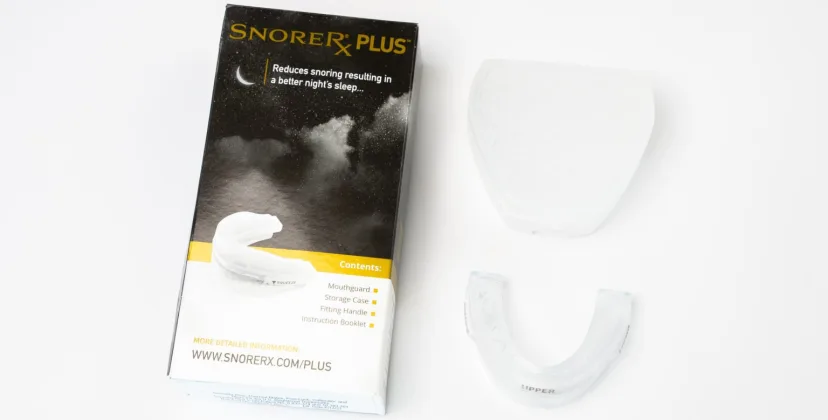
and Sleepless? How to Manage Acid Reflux for Quieter Nights
5. Avoid Alcohol and Caffeine Close to Bedtime
Alcohol and caffeine can both aggravate acid reflux and disrupt sleep. Alcohol can relax the muscles in your esophagus, making it easier for acid to flow back up. On the other hand, caffeine can stimulate the production of stomach acid, causing heartburn and discomfort. Avoid consuming these substances close to bedtime to reduce the risk of acid reflux and promote better sleep.
6. Consider Medications
If lifestyle changes and home remedies are not enough to manage your acid reflux, you may need to consult your doctor and consider medication. Antacids can provide quick relief by neutralizing stomach acid, while H2 blockers and proton pump inhibitors can reduce the amount of acid produced in the stomach. However, always consult with your doctor before starting any medication, as some may have side effects or interact with other medications.
7. Maintain a Healthy Weight
Excess weight can put pressure on your stomach and increase the risk of acid reflux. Losing weight can help reduce symptoms and improve overall health. Try to maintain a healthy weight through a balanced diet and regular exercise. Avoid crash diets and extreme weight loss methods, as these can also trigger acid reflux.
8. Quit Smoking
Smoking can irritate the lining of the esophagus and increase the production of stomach acid. It can also relax the muscles in the esophagus, making it easier for acid to flow back up. Quitting smoking can greatly improve acid reflux symptoms and promote better sleep.
In conclusion, managing acid reflux is crucial for getting a good night’s sleep. By understanding your triggers, practicing good sleep hygiene, and considering lifestyle changes and medications, you can reduce the symptoms of acid reflux and improve the quality of your sleep. Remember to consult with your doctor if your symptoms persist or worsen, as this could be a sign of a more severe condition. With these tips, you can finally say goodbye to sleepless nights and hello to a well-rested and healthier you.