
Snoring is a common problem that affects millions of people worldwide. Not only is it disruptive to the snorer’s sleep, but it can also disturb their partner’s sleep, leading to fatigue and irritability. While snoring is often seen as a nuisance, it can also be a symptom of a more serious underlying health issue, such as sleep apnea. This has led to a rise in the demand for anti-snoring solutions, with one popular option being anti-snoring mouth guards. In this blog post, we will explore the science behind snoring and how anti-snoring mouth guards work to provide relief.
The Science Behind Snoring:
To understand how anti-snoring mouth guards work, we must first understand what causes snoring. Snoring occurs when the flow of air through the nose and mouth is obstructed during sleep. This obstruction can be caused by several factors, including:
1. Narrowed airways: Some people naturally have narrower airways, which can become further constricted during sleep, leading to snoring.
2. Weak throat muscles: Weak throat muscles can relax and collapse during sleep, obstructing the airflow.
3. Blocked nasal passages: Allergies, colds, or sinus infections can cause a blockage in the nasal passages, forcing the snorer to breathe through their mouth, which can lead to snoring.
4. Tongue position: When the tongue falls back into the throat during sleep, it can obstruct the airflow and cause snoring.
5. Excessive weight: Being overweight or obese can lead to excess tissue in the neck and throat, causing obstruction in the airflow and snoring.
Anti-Snoring Mouth Guards:
Anti-snoring mouth guards, also known as mandibular advancement devices (MADs), work by adjusting the position of the jaw and tongue to keep the airway open during sleep. They are custom-made to fit the individual’s mouth and are designed to be worn at night.
When the mouth guard is worn, it pushes the lower jaw slightly forward, which helps to keep the airway open by preventing the tongue from falling back and blocking the airflow. This forward movement of the jaw also creates more space in the throat, reducing the vibrations that cause snoring.
Types of Anti-Snoring Mouth Guards:
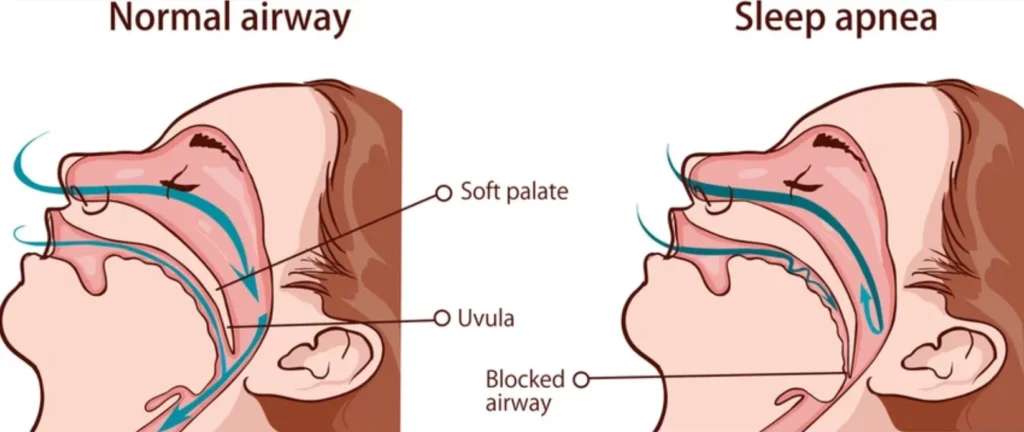
The Science Behind Snoring: Exploring Anti-Snoring Mouth Guards
There are several types of anti-snoring mouth guards available, and each works differently to address the underlying causes of snoring.
1. Mandibular Advancement Device (MAD): This is the most common type of anti-snoring mouth guard. It is custom-made by a dentist and is designed to fit snugly in the mouth, holding the lower jaw in a forward position.
2. Tongue Retaining Device (TRD): This mouth guard is designed to hold the tongue in a forward position, preventing it from falling back and blocking the airway.
3. Adjustable Airway Devices: These mouth guards have an adjustable mechanism that allows for gradual jaw advancement to find the most effective position for keeping the airway open.
4. Tongue Stabilizing Devices (TSD): This type of mouth guard works by holding the tongue in place with a small suction cup, preventing it from falling back and obstructing the airflow.
Effectiveness of Anti-Snoring Mouth Guards:
Studies have shown that anti-snoring mouth guards can be an effective solution for snoring. A study published in the Journal of Clinical Sleep Medicine found that MADs were successful in reducing snoring in 84% of participants and improving sleep quality in 76% of participants. However, the effectiveness of mouth guards may vary depending on the cause and severity of the snoring.
Side Effects of Anti-Snoring Mouth Guards:
While anti-snoring mouth guards are generally safe, some people may experience side effects, such as jaw pain, excessive salivation, or tooth discomfort. These side effects are usually temporary and can be minimized by choosing the right type of mouth guard and getting a proper fit from a dental professional.
Summary:
Snoring is a common issue that can cause disturbances in sleep and impact overall health. Anti-snoring mouth guards work by adjusting the position of the jaw and tongue to keep the airway open during sleep. There are different types of mouth guards available, and their effectiveness may vary depending on the cause and severity of snoring. While they can be an effective solution, some people may experience temporary side effects.
In conclusion, anti-snoring mouth guards are a popular and scientifically-backed solution for snoring. They work by addressing the underlying causes of snoring and can provide relief for both the snorer and their partner. However, it is important to consult with a dental professional to find the right type of mouth guard and ensure a proper fit for maximum effectiveness and minimal side effects.