
The Science of Silence: How Anti-Snoring Mouth Guards Keep Snoring at Bay
Snoring is a common problem that affects millions of people around the world. It can disrupt sleep, cause relationship problems, and even lead to serious health issues. While there are various methods and devices marketed to combat snoring, one of the most effective and scientifically proven solutions is the use of anti-snoring mouth guards. In this blog post, we will explore the science behind snoring, the causes of snoring, and how anti-snoring mouth guards work to keep snoring at bay.
Understanding Snoring: The Science Behind It
Snoring is the sound produced when the soft tissues in the upper airway vibrate during breathing. These tissues include the soft palate, uvula, and tongue. When we sleep, the muscles in our throat relax, causing these tissues to narrow the airway. As air passes through this restricted space, it causes the tissues to vibrate, resulting in the snoring sound. While snoring may seem like a harmless annoyance, it can actually be a sign of a more serious condition known as obstructive sleep apnea (OSA). OSA occurs when the airway becomes completely blocked, causing breathing to stop for a few seconds. This can happen multiple times throughout the night, leading to disrupted sleep and potential health consequences.
Causes of Snoring
There are several factors that can contribute to snoring, including:
– Anatomy: Some people are more prone to snoring due to the shape of their throat, mouth, or nose. For example, those with a narrow airway or a large tongue may be more likely to snore.
– Age: As we age, our throat muscles tend to become weaker, making them more likely to vibrate during sleep.
– Weight: Excess weight can lead to an increase in fatty tissue around the throat, narrowing the airway and making snoring more likely.
– Sleeping position: Sleeping on the back can cause the tongue and soft palate to collapse onto the back of the throat, obstructing the airway and causing snoring.
– Alcohol consumption: Alcohol relaxes the throat muscles, making them more likely to vibrate during sleep.
– Nasal congestion: Anything that blocks the nasal passages, such as a cold or allergies, can lead to snoring.
While some of these factors are out of our control, there are steps we can take to reduce snoring, such as maintaining a healthy weight and avoiding alcohol before bedtime. However, for those who suffer from chronic snoring, a more effective solution may be necessary – enter anti-snoring mouth guards.
The Science Behind Anti-Snoring Mouth Guards
Anti-snoring mouth guards, also known as mandibular advancement devices (MADs), work by repositioning the jaw and tongue to keep the airway open during sleep. These devices are custom-made to fit the individual’s mouth and are worn like a mouthguard or retainer. By holding the lower jaw and tongue in a slightly forward position, the airway stays open and prevents the tissues from vibrating and causing snoring.
But how do these devices actually work? The mandibular advancement device functions in two ways:
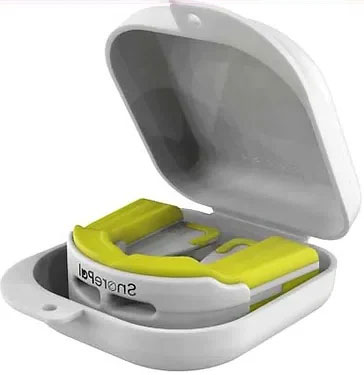
The Science of Silence: How Anti-Snoring Mouth Guards Keep Snoring at Bay
1. Moving the jaw forward: By slightly shifting the lower jaw forward, the device helps to increase the space at the back of the throat, preventing the tissues from collapsing and obstructing the airway.
2. Holding the tongue in place: The tongue is one of the main culprits in snoring, as it can fall back and block the airway. The MAD holds the tongue in place, preventing it from obstructing the airway and reducing snoring.
These two actions work together to keep the airway open and prevent snoring, allowing for a more restful night’s sleep.
Effectiveness of Anti-Snoring Mouth Guards
Numerous studies have been conducted on the effectiveness of anti-snoring mouth guards, and the results are promising. In one study, it was found that wearing a MAD reduced snoring by an average of 77%. Another study showed that 70% of participants reported a decrease in snoring after using a mouth guard. These results demonstrate the success of this method in reducing snoring and improving sleep quality.
In addition to reducing snoring, anti-snoring mouth guards have also been shown to have other health benefits. By improving the quality of sleep, they can reduce daytime fatigue and improve overall well-being. Plus, for those who suffer from obstructive sleep apnea, using a MAD can help to prevent serious health consequences such as high blood pressure, heart disease, and stroke.
Choosing the Right Anti-Snoring Mouth Guard
With so many options on the market, it can be overwhelming to choose the right anti-snoring mouth guard. It’s essential to consult with a dentist or sleep specialist to determine the best fit for your individual needs. Custom-made devices tend to be more effective and comfortable, but there are also over-the-counter options available. It’s important to do research and read reviews to find a reputable and effective product.
In conclusion, snoring may seem like a simple annoyance, but it can have serious consequences on our health and well-being. By understanding the science behind snoring and the effectiveness of anti-snoring mouth guards, we can take steps towards a more restful and quieter night’s sleep. So the next time you or your partner is struggling with snoring, consider the benefits of using an anti-snoring mouth guard and say goodbye to sleepless nights and hello to a peaceful, snore-free slumber.
Summary:
Snoring can disrupt sleep and lead to serious health issues, with obstructive sleep apnea being a potential underlying condition. There are various causes of snoring, including anatomy, age, weight, and sleeping position. However, one of the most effective solutions is the use of anti-snoring mouth guards. These devices reposition the jaw and tongue to keep the airway open during sleep, reducing snoring and improving sleep quality. They work by moving the jaw forward and holding the tongue in place. Studies have shown their effectiveness in reducing snoring and improving overall health. It is important to consult with a professional to find the right fit for individual needs.