
Blog Post: Mouthpiece Options for Snoring Relief
Snoring is a common problem that affects many people, and it can be a major source of frustration for both the snorer and their partner. Not only can snoring disrupt sleep, but it can also lead to health issues such as fatigue, irritability, and even cardiovascular problems. If you or your partner are struggling with snoring, you may be searching for a solution to help alleviate it. One option that has gained popularity in recent years is the use of mouthpieces. In this blog post, we will explore the different mouthpiece options available for snoring relief.
1. Mandibular Advancement Devices (MADs)
Mandibular Advancement Devices (MADs) are the most common type of mouthpiece used for snoring relief. They work by gently pushing the lower jaw forward, which helps to keep the airway open and reduce snoring. MADs are custom-fitted by a dentist or orthodontist and are typically made from a mold of your teeth. They are adjustable and can be fine-tuned to fit your specific jaw size and shape.
Pros:
– Effective for most snorers
– Custom-fitted for optimal comfort
– Adjustable for a personalized fit
– Can help with mild to moderate sleep apnea
Cons:
– May cause discomfort in the jaw, teeth, or gums
– Can be expensive, ranging from $300-$1000
– May take some time to get used to wearing
– Not suitable for severe sleep apnea
2. Tongue Retaining Devices (TRDs)
Tongue Retaining Devices (TRDs) are another type of mouthpiece that can help with snoring. Unlike MADs, these devices do not reposition the jaw. Instead, they work by holding the tongue in place, preventing it from falling back and blocking the airway. TRDs are typically made from soft, flexible material and are worn on the tip of the tongue like a pacifier.
Pros:
– Can be effective for those who cannot use MADs due to jaw pain or dental issues
– Relatively inexpensive, ranging from $50-$100
– Easy to use and maintain
– Can help with mild to moderate sleep apnea
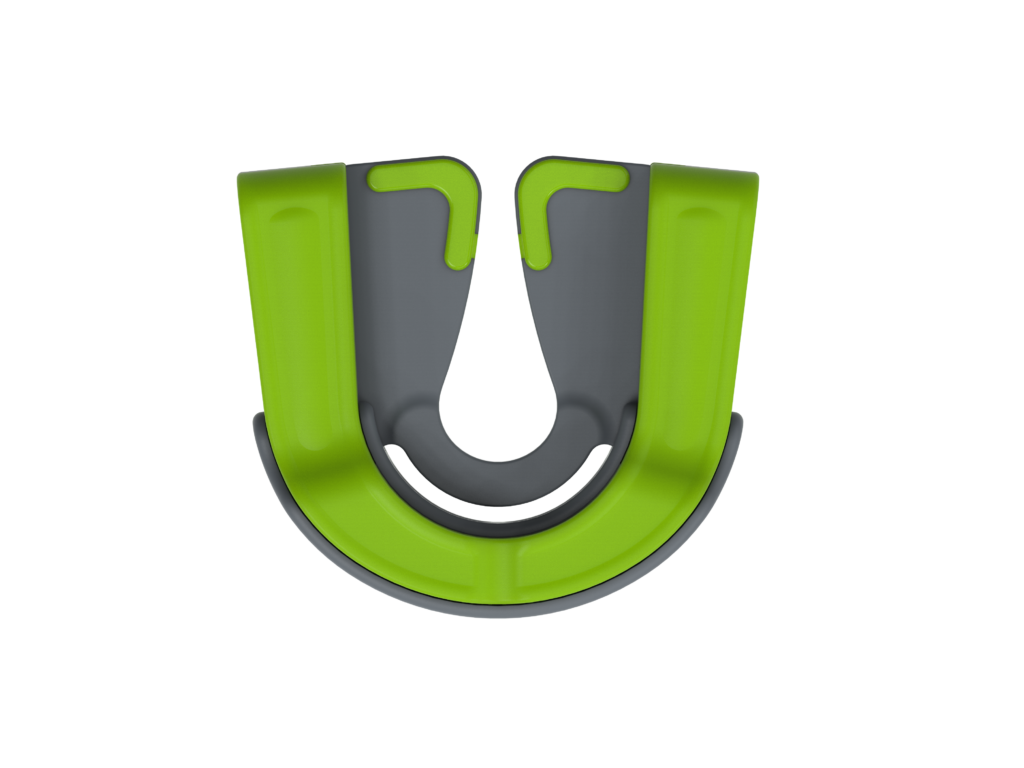
Mouthpiece Options for Snoring Relief
Cons:
– May cause discomfort in the tongue or mouth
– Can take time to get used to wearing
– Not suitable for severe sleep apnea
– May not be as effective as MADs for some individuals
3. Nasal Dilators
Nasal dilators are a non-invasive option for snoring relief. They work by opening up the nasal passages, allowing for easier breathing and reducing snoring. Nasal dilators come in different forms, such as nose clips, nasal strips, or nasal cones, and are typically made from soft, flexible material.
Pros:
– Non-invasive and easy to use
– Can help with nasal congestion and allergies in addition to snoring
– Relatively inexpensive, ranging from $10-$30
– Can be used in combination with other mouthpieces for more effective results
Cons:
– May not be as effective for snoring caused by issues other than nasal congestion
– May cause discomfort in the nostrils or nose
– Can fall out during sleep
– Not suitable for severe sleep apnea
4. Continuous Positive Airway Pressure (CPAP) Machines
Continuous Positive Airway Pressure (CPAP) machines are a common treatment for sleep apnea, a condition in which the airway becomes blocked during sleep, causing pauses in breathing. CPAP machines work by delivering a constant flow of air through a mask worn over the nose and/or mouth, keeping the airway open and preventing snoring.
Pros:
– Highly effective for severe sleep apnea
– Can improve sleep quality and reduce daytime fatigue
– Can be adjusted for optimal air pressure
– Can be used in combination with other mouthpieces for more effective results
Cons:
– Can be uncomfortable and may cause dry mouth, sore throat, or skin irritation
– Can be noisy and disruptive to sleep
– May cause claustrophobia or anxiety for some individuals
– Can be expensive, ranging from $500-$3000
Summary:
Mouthpieces are a popular option for snoring relief, and there are various types available to suit different needs. MADs, TRDs, nasal dilators, and CPAP machines are all effective in reducing snoring and improving sleep quality. However, it is important to consult with a doctor or dentist to determine the best option for your specific situation. It may also be beneficial to try different mouthpieces to find the one that works best for you.