
Blog Post:
Snoring is a common problem that affects millions of people worldwide. Not only does it disrupt your sleep, but it can also affect the quality of sleep for those around you. There are many causes of snoring, such as obesity, allergies, and sleep apnea. While there are various remedies available, one effective solution is using a mouthpiece. In this blog post, we will discuss the different types of mouthpieces and how they can effectively stop snoring.
What is a Mouthpiece?
A mouthpiece, also known as an oral appliance, is a device that is worn in the mouth while sleeping to help prevent snoring. It works by keeping the airway open and preventing the collapse of the soft tissues in the throat that cause snoring. There are two main types of mouthpieces – mandibular advancement devices (MADs) and tongue retaining devices (TRDs).
Mandibular Advancement Devices (MADs)
MADs are the most commonly used type of mouthpiece for snoring. They are designed to hold the lower jaw in a forward position, which in turn keeps the airway open and prevents snoring. These devices are custom-made to fit the individual’s mouth and are adjustable to ensure maximum effectiveness. MADs are often recommended for those with mild to moderate sleep apnea, as it helps to keep the airway open and prevent pauses in breathing.
Tongue Retaining Devices (TRDs)
TRDs are a less common type of mouthpiece but are equally effective in stopping snoring. Unlike MADs, TRDs do not change the position of the jaw. Instead, they use suction to hold the tongue in place, preventing it from falling back and blocking the airway. TRDs are also custom-made to fit the individual’s mouth and can be adjusted to ensure a comfortable fit. They are often recommended for those with severe sleep apnea and those who have difficulty breathing through their nose.
Benefits of Using a Mouthpiece
Aside from stopping snoring, there are many other benefits to using a mouthpiece. These include improved sleep quality, reduced daytime fatigue, and better overall health. Snoring can cause interruptions in breathing during sleep, leading to a lack of oxygen and poor sleep quality. By using a mouthpiece, you can keep the airway open and ensure a more restful sleep. Additionally, a good night’s sleep can lead to increased energy levels and better concentration during the day.
Tips for Choosing the Right Mouthpiece
With the wide variety of mouthpieces available in the market, it can be overwhelming to choose the right one. Here are some tips to help you find the best mouthpiece for your needs:
1. Consult with a Dentist or Sleep Specialist: Before purchasing a mouthpiece, it is essential to consult with a healthcare professional. They can assess your snoring and recommend the type of mouthpiece that would be most effective for you.
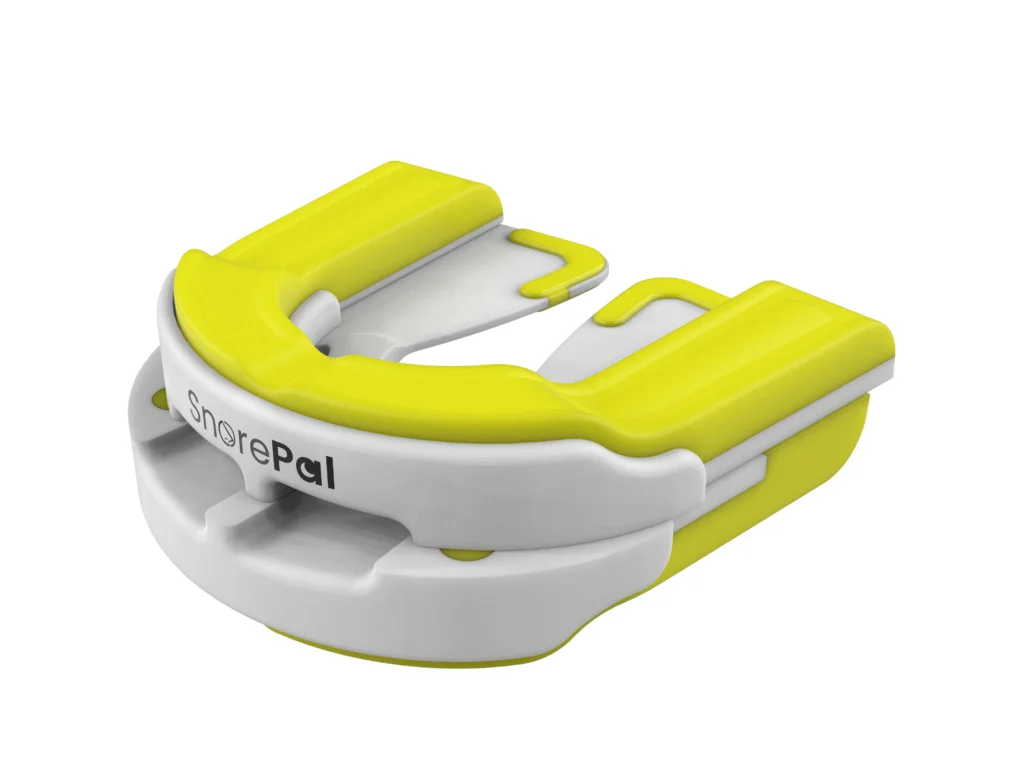
Effective Ways to Stop Snoring with a Mouthpiece
2. Consider the Material: Mouthpieces are made from different materials, such as plastic, silicone, and thermoplastic. It is crucial to choose a material that is comfortable and safe for your mouth.
3. Check for Adjustability: Most mouthpieces are adjustable to ensure a proper fit. It is essential to choose one that can be customized to your mouth for maximum effectiveness.
4. Read Reviews: Before making a purchase, be sure to read reviews from other users. This will give you an idea of the effectiveness of the mouthpiece and any potential issues you may encounter.
Other Remedies for Snoring
While mouthpieces are an effective solution for snoring, there are also other remedies that can be used in conjunction with them for better results. These include:
1. Weight Loss: Excess weight can contribute to snoring by putting pressure on the airway. Losing weight can help reduce snoring and improve overall health.
2. Sleeping Position: Sleeping on your back can cause your tongue to fall back and block the airway, leading to snoring. Sleeping on your side can help keep the airway open and reduce snoring.
3. Nasal Strips: These adhesive strips are placed on the bridge of the nose and help open up the nasal passages, making it easier to breathe through the nose and reducing snoring.
4. Nasal Dilators: These small devices are inserted into the nostrils to keep them open and prevent snoring.
In Conclusion
Snoring can be a frustrating and disruptive problem, but it can be effectively managed with the use of a mouthpiece. Whether you choose a MAD or TRD, it is essential to consult with a healthcare professional and consider the material, adjustability, and reviews before making a purchase. Remember to also incorporate other remedies for snoring, such as weight loss and sleeping position, for better results. With the right mouthpiece and lifestyle changes, you can say goodbye to snoring and hello to a restful night’s sleep.
Summary:
Snoring is a common problem that can affect both the quality of sleep for the snorer and those around them. One effective solution is using a mouthpiece, which comes in two types – mandibular advancement devices (MADs) and tongue retaining devices (TRDs). These devices work by keeping the airway open and preventing the collapse of soft tissues in the throat that cause snoring. Other benefits of using a mouthpiece include improved sleep quality and reduced daytime fatigue. When choosing a mouthpiece, it is essential to consult with a healthcare professional and consider factors such as material, adjustability, and reviews. Additionally, incorporating other remedies such as weight loss and sleeping position can also help reduce snoring. With the right mouthpiece and lifestyle changes, snoring can be effectively managed, leading to a restful night’s sleep.