
Blog Post:
Sleep apnea, snoring, and mouthpieces are three terms that may seem unrelated, but they are actually closely connected. Sleep apnea is a common sleep disorder that affects millions of people worldwide. It is characterized by pauses in breathing or shallow breaths during sleep, which can lead to reduced oxygen levels in the body. Snoring is often seen as a harmless habit, but it can be a symptom of underlying sleep apnea. And mouthpieces, specifically oral appliances, have become a popular treatment option for sleep apnea and snoring. In this blog post, we will explore the connection between sleep apnea, snoring, and your mouthpiece.
Sleep Apnea: Understanding the Basics
Before we dive into the relationship between sleep apnea, snoring, and mouthpieces, let’s first understand what sleep apnea is. There are three types of sleep apnea: obstructive sleep apnea (OSA), central sleep apnea, and mixed sleep apnea. OSA is the most common type and occurs when the muscles in the throat relax, causing the airway to narrow or close completely. This results in pauses in breathing that can last from a few seconds to a few minutes. Central sleep apnea, on the other hand, is caused by a problem with the brain’s signals to the muscles that control breathing. Mixed sleep apnea is a combination of both OSA and central sleep apnea.
The most significant symptom of sleep apnea is snoring, which is caused by the vibration of the soft tissues in the back of the throat as air passes through a narrowed airway. However, not everyone who snores has sleep apnea, and not everyone with sleep apnea snores. Other symptoms of sleep apnea include excessive daytime sleepiness, difficulty concentrating, morning headaches, and irritability.
Snoring: More Than Just a Nuisance
As mentioned earlier, snoring is often seen as just a nuisance, but it can be a sign of a more serious condition – sleep apnea. Snoring occurs when the muscles and tissues in the throat relax during sleep, causing the airway to narrow. This narrowing restricts the flow of air, leading to vibrations that produce the snoring sound. While snoring can be caused by other factors such as allergies, congestion, or alcohol consumption, it is a common symptom of sleep apnea.
Snoring can also have other negative effects on your health. It can disrupt your sleep and your partner’s sleep, which can lead to daytime fatigue and irritability. It can also put a strain on relationships, as snoring can be loud and bothersome for those sleeping in the same room. Additionally, snoring has been linked to an increased risk of cardiovascular disease, stroke, and high blood pressure.
The Connection Between Sleep Apnea, Snoring, and Your Mouthpiece
Mouthpieces: A Solution for Sleep Apnea and Snoring
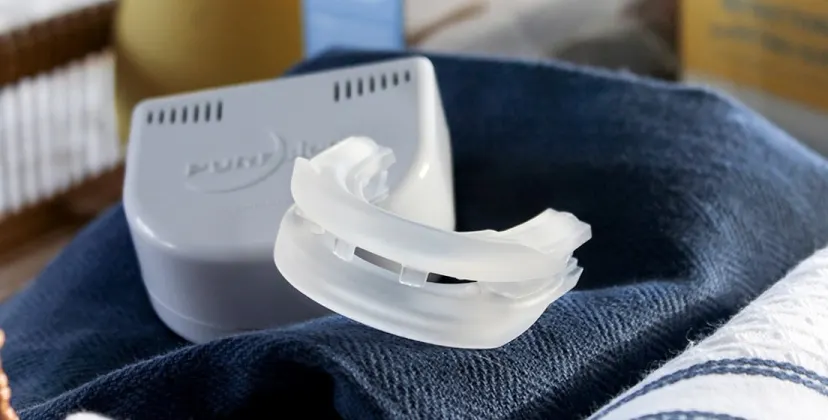
Oral appliances, also known as mouthpieces, have become a popular treatment option for sleep apnea and snoring. These devices are custom-made by dentists or sleep specialists and are designed to keep the airway open during sleep. They work by holding the jaw in a forward position, preventing the soft tissues in the throat from collapsing and blocking the airway.
Mouthpieces are often recommended for mild to moderate cases of sleep apnea, and they can also help reduce snoring. They are comfortable, portable, and easy to use, making them a convenient alternative to continuous positive airway pressure (CPAP) machines, which are often used to treat sleep apnea. However, it is essential to note that mouthpieces may not be suitable for everyone, and it is crucial to consult with a sleep specialist before using one.
The Connection Between Sleep Apnea, Snoring, and Your Mouthpiece
Now that we have a better understanding of sleep apnea, snoring, and mouthpieces, let’s explore how they are connected. As mentioned earlier, snoring is a common symptom of sleep apnea, and mouthpieces are a popular treatment option for both conditions. However, mouthpieces may not be effective for everyone, and it is crucial to consult with a sleep specialist to determine the most suitable treatment for your specific case.
Moreover, snoring can also be a sign of a more severe form of sleep apnea – OSA. It is estimated that 34% of people who snore also have OSA. Therefore, if you or your partner snore, it is essential to monitor for other symptoms of OSA and consult with a sleep specialist for proper diagnosis and treatment.
Summary:
Sleep apnea, snoring, and mouthpieces are closely related. Sleep apnea is a common sleep disorder characterized by pauses in breathing, and snoring is often a symptom of this condition. Mouthpieces, also known as oral appliances, have become a popular treatment option for both sleep apnea and snoring. However, they may not be suitable for everyone, and it is essential to consult with a sleep specialist for proper diagnosis and treatment.