
Sleep apnea and snoring are common sleep disorders that can greatly impact one’s quality of life. These issues can lead to daytime fatigue, irritability, and even more serious health problems if left untreated. Fortunately, there are solutions available, such as using a mouthpiece for sleep apnea and snoring. However, there are some dos and don’ts that should be followed when using a mouthpiece to ensure its effectiveness and safety. In this blog post, we will discuss the dos and don’ts of using a mouthpiece for sleep apnea and snoring.
DOs:
1. Consult with a Doctor or Dentist: Before using a mouthpiece for sleep apnea and snoring, it is important to consult with a doctor or dentist. They can properly diagnose your condition and recommend the most suitable type of mouthpiece for your specific needs. They can also provide guidance on how to properly use and maintain the mouthpiece.
2. Choose the Right Type of Mouthpiece: There are various types of mouthpieces available for sleep apnea and snoring, such as mandibular advancement devices (MAD) and tongue-retaining devices (TRD). It is essential to choose the one that is most suitable for your condition and fits comfortably in your mouth.
3. Ensure Proper Fit: A properly fitting mouthpiece is crucial for its effectiveness. It should be snug enough to hold the jaw in a slightly forward position to keep the airway open, but not too tight that it causes discomfort or pain. Some mouthpieces can be adjusted, while others require custom fitting by a dentist.
4. Clean the Mouthpiece Regularly: Just like any other oral device, a mouthpiece for sleep apnea and snoring needs to be cleaned regularly. Bacteria can build up on the mouthpiece, which can lead to infections and other health issues. Follow the manufacturer’s instructions for cleaning or consult with your dentist for proper cleaning techniques.
5. Use the Mouthpiece Consistently: Consistency is key when using a mouthpiece for sleep apnea and snoring. It may take some time to get used to wearing it, but it is important to use it every night for it to be effective. Skipping nights or only using it occasionally will not provide the desired results.
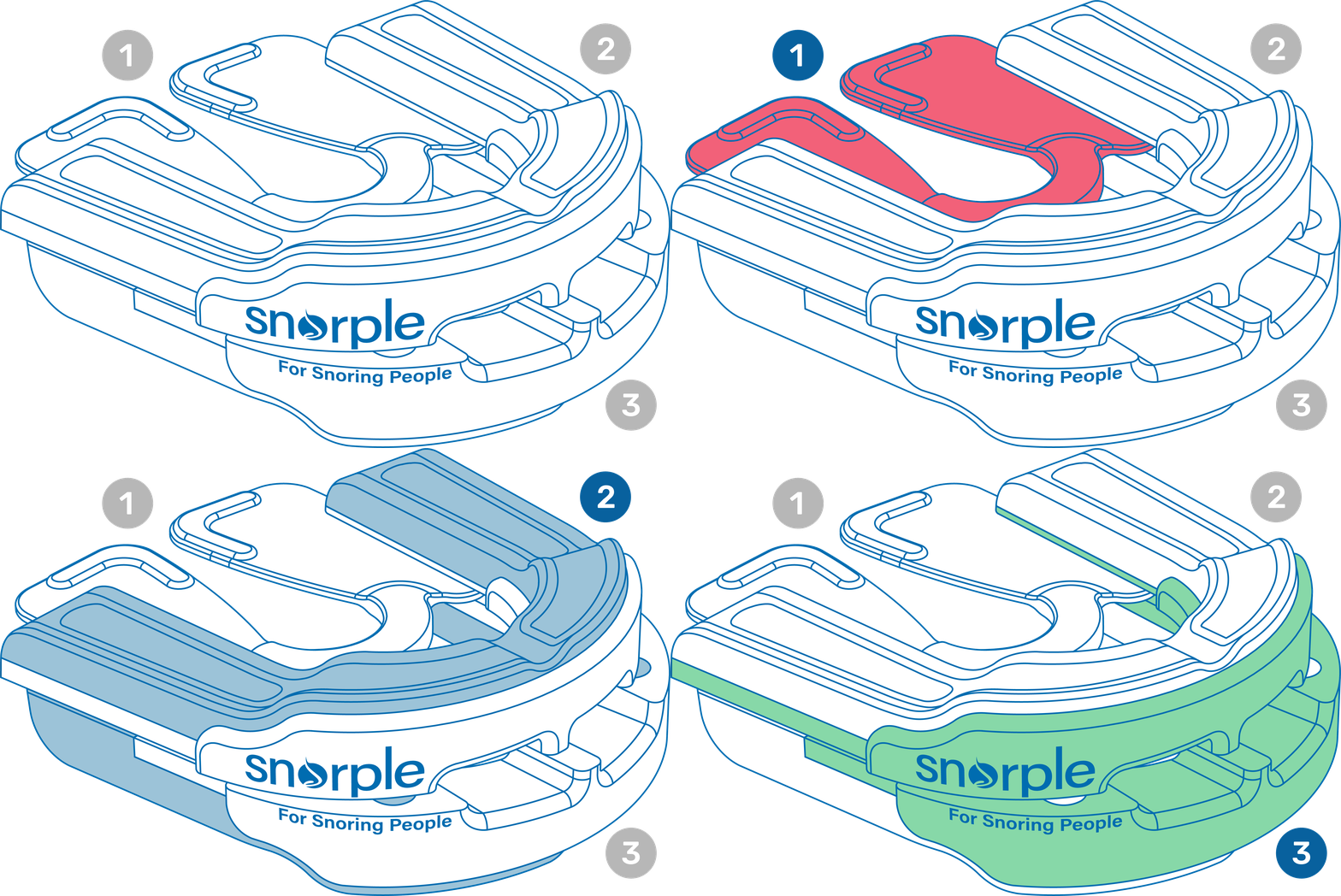
The Dos and Don'ts of Using a Mouthpiece for Sleep Apnea and Snoring
DON’Ts:
1. Use Without Proper Instructions: It is not recommended to use a mouthpiece for sleep apnea and snoring without proper instructions. Improper use can lead to discomfort, pain, and even more serious health issues. Always consult with a doctor or dentist and carefully follow the instructions provided by the manufacturer.
2. Use a Damaged Mouthpiece: If your mouthpiece is damaged, do not continue using it. A damaged mouthpiece can cause harm to your mouth and teeth, and it will not be effective in treating sleep apnea and snoring. Inspect the mouthpiece regularly and replace it if there are any signs of wear and tear.
3. Use With Other Oral Devices: It is not recommended to use a mouthpiece for sleep apnea and snoring with other oral devices, such as dentures or retainers. These devices can interfere with the effectiveness of the mouthpiece and cause discomfort. If you need to wear other oral devices, consult with your doctor or dentist for proper guidance.
4. Use If You Have Dental Issues: If you have any dental issues, such as loose teeth or gum disease, it is not recommended to use a mouthpiece for sleep apnea and snoring. These issues can worsen with the use of a mouthpiece and cause further complications. Consult with your dentist before using a mouthpiece if you have any dental problems.
5. Use Without Regular Check-Ups: It is important to schedule regular check-ups with your doctor or dentist while using a mouthpiece for sleep apnea and snoring. They can monitor your progress and make any necessary adjustments to the mouthpiece. They can also check for any potential issues and provide proper care to ensure the effectiveness and safety of the mouthpiece.
In summary, using a mouthpiece for sleep apnea and snoring can greatly improve one’s quality of life, but it is important to follow the dos and don’ts for its proper use. Consult with a doctor or dentist, choose the right type of mouthpiece, ensure proper fit and regular cleaning, and use it consistently for best results. Avoid using it without proper instructions, with other oral devices, or if you have dental issues. Regular check-ups are also essential for the effectiveness and safety of the mouthpiece.