
Blog Post Title: The Dos and Don’ts of Using a Snoring Mouthpiece with Tongue Stabilizer
Snoring is a common problem that affects millions of people worldwide. It not only disrupts the sleep of the snorer but also their partner and other family members. Snoring can also be a sign of a more serious underlying health issue, such as sleep apnea. Fortunately, there are various snoring solutions available in the market, and one of the most effective ones is a snoring mouthpiece with tongue stabilizer.
A snoring mouthpiece with tongue stabilizer is a simple device that helps keep the tongue in place and prevents it from blocking the airway, which is a common cause of snoring. While this device can be highly effective in reducing or even eliminating snoring, there are some important dos and don’ts that one should keep in mind when using it.
Dos:
1. Do consult with a doctor or sleep specialist before using a snoring mouthpiece with tongue stabilizer. While this device is generally safe, it is always best to seek professional advice, especially if you have any underlying medical conditions.
2. Do make sure to read and follow the instructions provided by the manufacturer. Each snoring mouthpiece with tongue stabilizer may have different usage instructions, so it is essential to understand how to use it correctly to get the best results.
3. Do clean the device regularly. Bacteria and germs can build up on the mouthpiece, so it is crucial to clean it thoroughly after each use. Most devices come with a cleaning solution or instructions on how to clean it properly.
4. Do give yourself time to adjust to the device. It may feel uncomfortable at first, but with time, you will get used to it. It is recommended to wear the device for a few hours during the day before using it at night to get accustomed to the feeling.
5. Do use the device consistently. For the snoring mouthpiece with tongue stabilizer to be effective, it needs to be used every night. Consistency is key, and using it only occasionally will not provide long-term results.
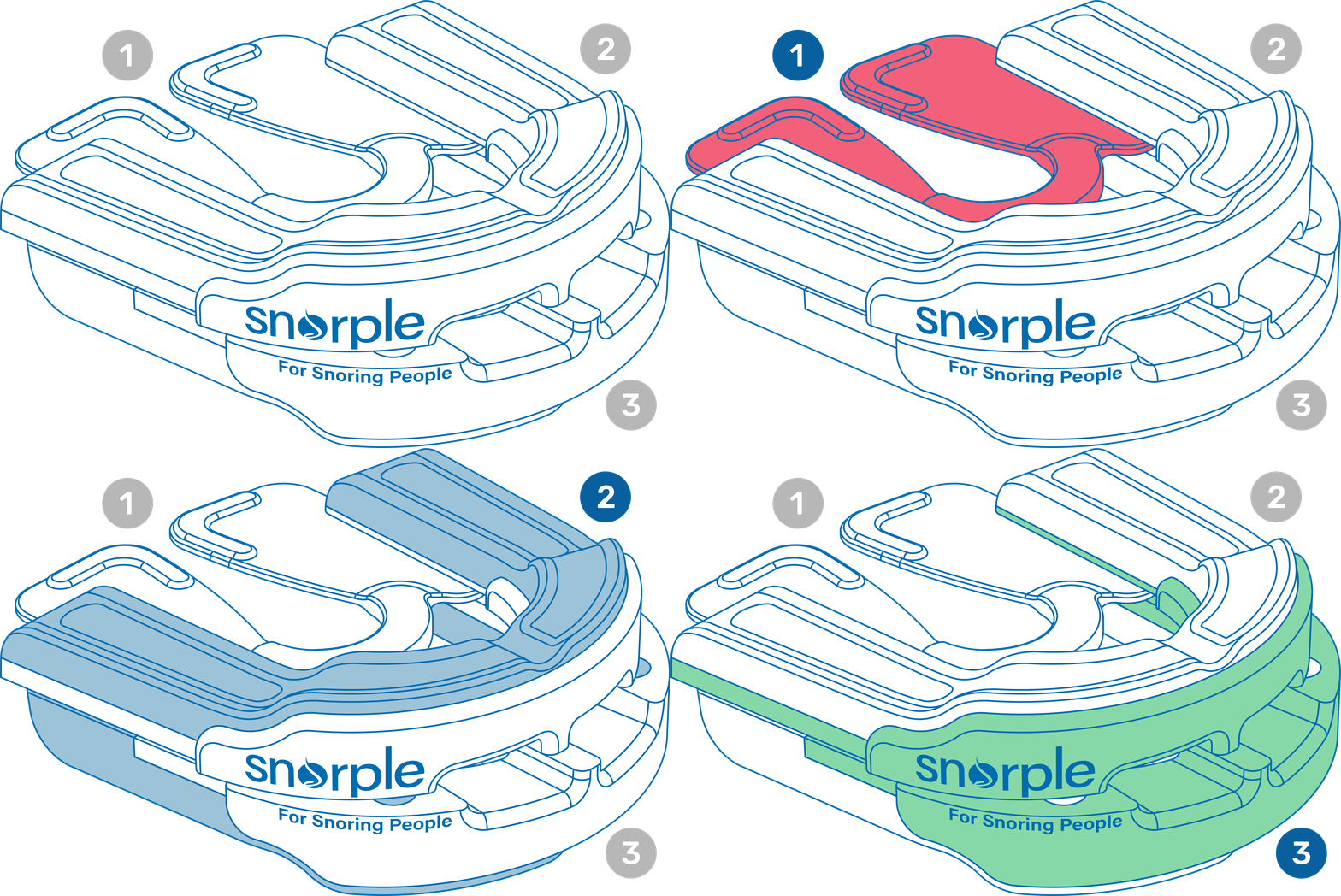
The Dos and Don'ts of Using a Snoring Mouthpiece with Tongue Stabilizer
6. Do monitor your progress. Keep track of your snoring patterns and any improvements you experience while using the device. This will help you determine if it is working for you and if any adjustments need to be made.
Don’ts:
1. Don’t use a snoring mouthpiece with tongue stabilizer if you have dentures or missing teeth. The device relies on the teeth for proper placement, so it may not work effectively in these cases.
2. Don’t use the device if you have a deviated septum or nasal obstruction. A snoring mouthpiece with tongue stabilizer is meant to address snoring caused by the tongue, so it will not be effective in cases where snoring is caused by other factors.
3. Don’t use the device if you have jaw pain or temporomandibular joint (TMJ) disorder. This device can put pressure on the jaw, which may exacerbate the condition.
4. Don’t use a snoring mouthpiece with tongue stabilizer if you have a cold or sinus infection. These conditions can cause nasal congestion, making it difficult to breathe through the mouth. It is best to wait until you are feeling better before using the device.
5. Don’t use the device if it causes excessive saliva or dry mouth. Some people may experience increased saliva production or dry mouth while using the device. If this is the case, consult with your doctor for possible solutions.
6. Don’t continue using the device if you experience any discomfort or pain. While it may take some time to get used to the device, it should not cause significant discomfort or pain. If this occurs, discontinue use and consult with your doctor.
Using a snoring mouthpiece with tongue stabilizer can greatly improve your sleep quality and reduce snoring. However, it is essential to use it correctly and follow these dos and don’ts for the best results. If you have any concerns or questions, do not hesitate to consult with your doctor or sleep specialist.
In summary, a snoring mouthpiece with tongue stabilizer can be an effective solution for snoring, but it is crucial to use it correctly and consult with a professional beforehand. Dos include consulting with a doctor, following instructions, cleaning regularly, and being consistent, while don’ts include not using it with certain conditions and discontinuing use if discomfort occurs.