
Snoring is a common problem that affects millions of people worldwide. Not only can it be disruptive to a good night’s sleep, but it can also lead to serious health issues such as sleep apnea. While there are various remedies and treatments available for snoring, one device that has gained popularity in recent years is the tongue stabilizer. In this blog post, we will discuss the role of a tongue stabilizer in reducing snoring and improving breathing.
What is a Tongue Stabilizer?
A tongue stabilizer, also known as a tongue retaining device (TRD), is a small oral appliance that is worn during sleep to help reduce snoring and improve breathing. It is made of soft, flexible material and is designed to hold the tongue in a forward position, preventing it from falling back and blocking the airway.
How Does a Tongue Stabilizer Work?
Snoring occurs when the muscles in the back of the throat relax during sleep, causing the tongue to fall back and block the airway. This obstruction of airflow results in the vibrating sound of snoring. A tongue stabilizer works by gently pulling the tongue forward, keeping it in place and preventing it from blocking the airway.
Who Can Benefit from Using a Tongue Stabilizer?
Tongue stabilizers are most commonly used by people who suffer from snoring and mild to moderate sleep apnea. It is also a suitable option for those who have trouble using a Continuous Positive Airway Pressure (CPAP) machine or are not comfortable with other oral appliances such as mandibular advancement devices (MADs). Additionally, people with a large or thick tongue, or those who have a small jaw or narrow airway, may find a tongue stabilizer more effective in reducing snoring and improving breathing.
Benefits of Using a Tongue Stabilizer
1. Reduced Snoring: As mentioned earlier, the primary purpose of a tongue stabilizer is to reduce snoring. By keeping the tongue in a forward position, it prevents it from blocking the airway, thus reducing or eliminating snoring.
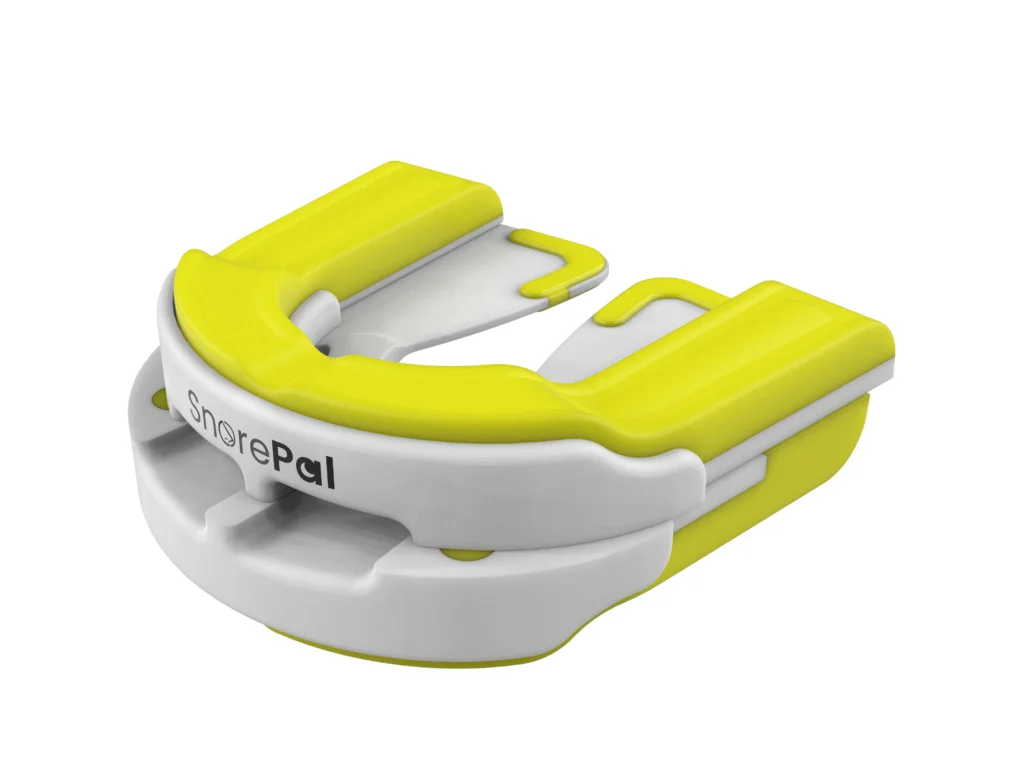
The Role of a Tongue Stabilizer in Reducing Snoring and Improving Breathing
2. Improved Breathing: Snoring can also lead to breathing difficulties, especially for those with sleep apnea. By keeping the airway open, a tongue stabilizer can improve breathing and ensure a steady flow of oxygen throughout the night.
3. Comfortable and Easy to Use: Unlike other oral appliances, a tongue stabilizer does not require any adjustments or custom fitting. It is also made of soft, flexible material, making it comfortable to wear and easy to use.
4. Non-Invasive: For those who are not comfortable with the idea of using a CPAP machine or undergoing surgery, a tongue stabilizer is a non-invasive option for managing snoring and sleep apnea.
5. Portable: A tongue stabilizer is small and lightweight, making it easy to carry while traveling. It does not require any external power source, making it a convenient option for those who are always on the go.
Potential Side Effects of Using a Tongue Stabilizer
While tongue stabilizers are generally safe to use, some people may experience minor side effects such as drooling, dry mouth, and soreness in the tongue or jaw. These side effects are usually temporary and can be managed by adjusting the device or using it for shorter periods until the mouth gets used to it.
Final Thoughts
If you or your partner suffer from snoring or sleep apnea, a tongue stabilizer may be an effective solution for reducing snoring and improving breathing. However, it is important to consult with a sleep specialist or dentist before using any oral appliance to ensure it is suitable for your specific condition.
In summary, a tongue stabilizer is a small and simple device that can have significant benefits for those who struggle with snoring and sleep apnea. By keeping the tongue in a forward position, it can reduce snoring, improve breathing, and promote better sleep. As with any medical device, it is essential to consult with a professional and follow proper usage instructions to ensure its effectiveness and safety.