
Snoring is a common issue that affects millions of people worldwide, causing disruptions in sleep and leading to various health problems. While snoring is often associated with a person’s throat and airway, there is also a surprising link between nasal snoring and the use of a mouthpiece. In this blog post, we will explore the connection between these two and how a mouthpiece can be a helpful solution for those who suffer from nasal snoring.
Firstly, let’s understand what nasal snoring is and how it differs from throat snoring. Nasal snoring occurs when there is a blockage or restriction in the nasal passages, making it difficult for a person to breathe through their nose. This causes them to breathe through their mouth, leading to snoring. On the other hand, throat snoring happens when the muscles in the throat relax, causing the airway to narrow and vibrate, resulting in the characteristic snoring sound.
So, what is the link between nasal snoring and a mouthpiece? To answer this, we need to understand how a mouthpiece works. A mouthpiece, also known as an oral appliance, is a device that is worn in the mouth to help with snoring and sleep apnea. It works by keeping the jaw and tongue in a forward position, preventing the airway from collapsing and reducing snoring. But how does this help with nasal snoring?
The answer lies in the anatomy of the nose and mouth. The nasal cavity and oral cavity are interconnected, and any restriction in one can affect the other. When a person has nasal congestion or a deviated septum, it can lead to mouth breathing, causing snoring. By using a mouthpiece, the jaw is kept in a forward position, creating more space in the back of the throat, making it easier for a person to breathe through their nose. This, in turn, reduces nasal snoring.
Moreover, mouthpieces can also help with nasal congestion. Some oral appliances come with small air holes that allow a person to breathe through their mouth if their nose is blocked. This can be especially helpful for those who have seasonal allergies or are prone to nasal congestion. By keeping the airway open, a mouthpiece can assist with better breathing and reduce the frequency and intensity of nasal snoring.
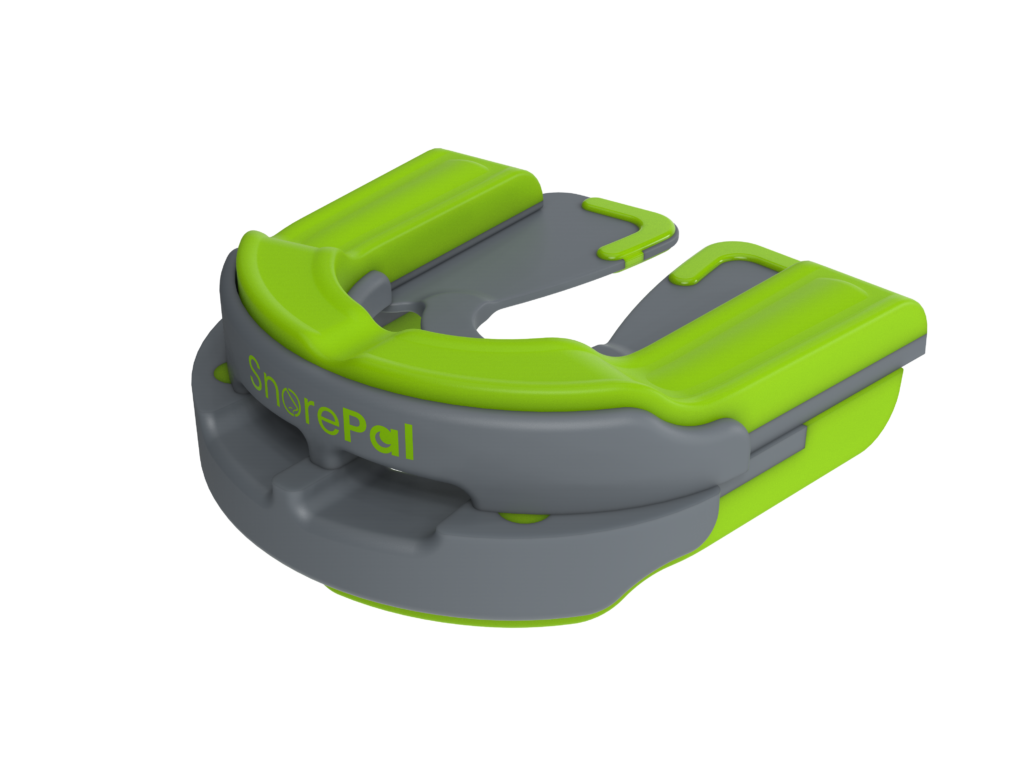
The Surprising Link Between Nasal Snoring and a Mouthpiece for Snorers
Another factor that contributes to nasal snoring is a narrow airway. Some people naturally have a narrower nasal cavity, making it easier for them to snore. In such cases, a mouthpiece can be a useful solution. By holding the jaw in a forward position, it expands the airway, allowing for smoother and quieter breathing. This can significantly reduce nasal snoring and improve the quality of sleep.
Aside from the physical benefits, using a mouthpiece for nasal snoring can also have a positive impact on a person’s mental well-being. Snoring can disrupt not only the snorer’s sleep but also their partner’s. This can lead to irritability, mood swings, and other relationship issues. By finding a solution for nasal snoring, such as a mouthpiece, both the snorer and their partner can get better sleep, leading to improved moods and overall happiness.
Furthermore, using a mouthpiece can also have long-term health benefits. Nasal snoring can be a symptom of sleep apnea, a serious sleep disorder where a person’s breathing repeatedly stops and starts during sleep. If left untreated, sleep apnea can increase the risk of high blood pressure, heart disease, and stroke. By addressing nasal snoring with a mouthpiece, a person can potentially reduce their risk of developing sleep apnea and its associated health problems.
In conclusion, the surprising link between nasal snoring and a mouthpiece is the fact that a mouthpiece can help alleviate nasal snoring by improving breathing through the nose. By keeping the jaw in a forward position, a mouthpiece creates more space in the back of the throat, making it easier for a person to breathe through their nose. It can also assist with nasal congestion and address potential underlying issues such as a narrow airway and sleep apnea. With its physical, mental, and long-term health benefits, a mouthpiece can be a valuable solution for those who suffer from nasal snoring.
In summary, nasal snoring is caused by a blockage or restriction in the nasal passages, leading to mouth breathing and snoring. A mouthpiece works by keeping the jaw and tongue in a forward position, creating more space in the back of the throat and improving breathing through the nose. It can also help with nasal congestion and address underlying issues such as a narrow airway and sleep apnea. By using a mouthpiece, a person can experience physical, mental, and long-term health benefits, making it a surprising but effective solution for nasal snoring.