
Blog Post:
Snoring and acid reflux are two common issues that many people face on a daily basis. While they may seem like separate problems, they are actually closely related and can often be managed with a simple solution – a mouthpiece. In this blog post, we will explore the relationship between snoring and acid reflux, and how using a mouthpiece can help alleviate both issues. We will also discuss the different types of mouthpieces available, and how to choose the best one for your needs.
The Silent Sufferer: Understanding the Connection between Snoring and Acid Reflux
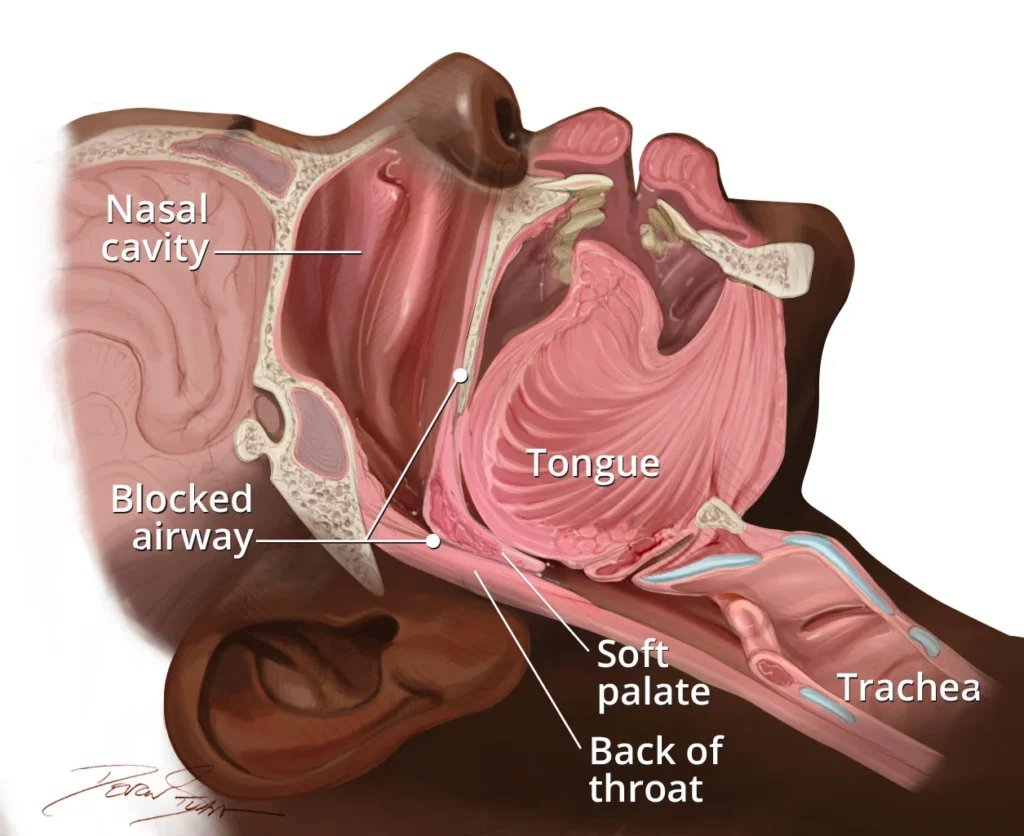
Snoring is a common problem that affects approximately 90 million Americans. It is caused by the vibration of tissues in the throat and nose during sleep, which blocks the airway and results in the characteristic snoring sound. While snoring may seem like a harmless annoyance, it can actually have serious health implications. People who snore are at a higher risk of developing sleep apnea, a condition where the airway is completely blocked during sleep, leading to pauses in breathing and decreased oxygen levels in the body.
On the other hand, acid reflux, also known as gastroesophageal reflux disease (GERD), is a digestive disorder that occurs when stomach acid flows back up into the esophagus. This can cause a burning sensation in the chest, known as heartburn, as well as other symptoms such as difficulty swallowing, coughing, and a sour taste in the mouth. Acid reflux is a chronic condition that can lead to serious complications if left untreated, including esophageal damage and an increased risk of esophageal cancer.
The Silent Connection: How Snoring and Acid Reflux are Related
While snoring and acid reflux may seem like completely unrelated issues, they are actually closely connected. When we sleep, our muscles relax, including the muscles in our throat and tongue. This relaxation can cause the airway to become narrower, making it harder for air to pass through. As a result, the air has to travel faster, causing the tissues in the throat to vibrate and produce the snoring sound. This narrowing of the airway can also lead to acid reflux, as the pressure in the throat increases and can force stomach acid up into the esophagus.
Furthermore, people who suffer from sleep apnea are at an even higher risk for acid reflux. The pauses in breathing during sleep can cause a vacuum effect, pulling stomach acid up into the esophagus. This can also lead to damage to the esophageal lining and worsen the symptoms of acid reflux.
The Silent Sufferer: Managing Snoring and Acid Reflux with a Mouthpiece
Managing Snoring and Acid Reflux with a Mouthpiece
One of the most effective ways to manage both snoring and acid reflux is by using a mouthpiece. These devices are designed to keep the airway open and prevent the collapse of throat tissues during sleep, reducing snoring and decreasing the risk of acid reflux.
There are two main types of mouthpieces available: mandibular advancement devices (MADs) and tongue stabilizing devices (TSDs). MADs work by pushing the lower jaw forward, which helps to keep the airway open. TSDs, on the other hand, hold the tongue in place to prevent it from falling back and blocking the airway. Both types of mouthpieces have been scientifically proven to be effective in reducing snoring and improving sleep quality.
Choosing the Right Mouthpiece for You
When it comes to choosing a mouthpiece, it is important to consider your individual needs and preferences. MADs are often recommended for those who suffer from mild to moderate sleep apnea, as well as snoring caused by the tongue falling back during sleep. TSDs may be a better option for those who have a sensitive gag reflex or have difficulty breathing through their nose.
It is also important to choose a mouthpiece that fits properly and is comfortable to wear. Most mouthpieces can be customized to fit your mouth by following the instructions provided by the manufacturer. It may take some time to get used to wearing a mouthpiece, but with regular use, it can greatly improve your sleep and overall health.
In addition to using a mouthpiece, making lifestyle changes such as maintaining a healthy weight, avoiding alcohol and smoking, and sleeping on your side can also help reduce snoring and acid reflux.
In summary, snoring and acid reflux are two common issues that are closely related and can have serious health implications if left untreated. By using a mouthpiece, you can effectively manage both issues and improve your overall health and well-being. Take the time to research and choose the right mouthpiece for your needs, and make positive lifestyle changes to reduce the frequency and severity of these conditions.