
Snoring Mouthpieces for Travel: Keeping Your Breathing in Check on the Go
Snoring is a common issue that affects millions of people worldwide. It can be a nuisance not only for the snorer but also for their travel companions. Apart from disrupting sleep, snoring can also lead to more serious health problems such as sleep apnea. This is why it is important to address snoring, especially when traveling. Fortunately, there are now snoring mouthpieces specifically designed for travel, making it easier for individuals to keep their breathing in check even on the go.
In this blog post, we will discuss everything you need to know about snoring mouthpieces for travel, including how they work, their benefits, and the different types available in the market. We will also provide some tips on how to choose the right one for you and how to properly use and maintain it during your travels.
How do Snoring Mouthpieces Work?
Snoring mouthpieces, also known as anti-snoring devices, work by keeping the airway open and allowing air to flow freely. They are designed to hold the jaw and tongue in a forward position, preventing them from blocking the air passage. This helps to reduce or eliminate snoring, ensuring a more restful sleep for both the snorer and their travel companions.
Benefits of Snoring Mouthpieces for Travel
The most obvious benefit of using a snoring mouthpiece during travel is that it can help you and your companions get a good night’s sleep. This is especially important when traveling, as a good night’s sleep can make a huge difference in your energy and mood the next day.
Moreover, snoring mouthpieces are compact and lightweight, making them easy to pack and carry around. They also do not require any electricity or batteries, making them a convenient and cost-effective solution for snoring.
Types of Snoring Mouthpieces for Travel
There are two main types of snoring mouthpieces for travel: mandibular advancement devices (MADs) and tongue retaining devices (TRDs).
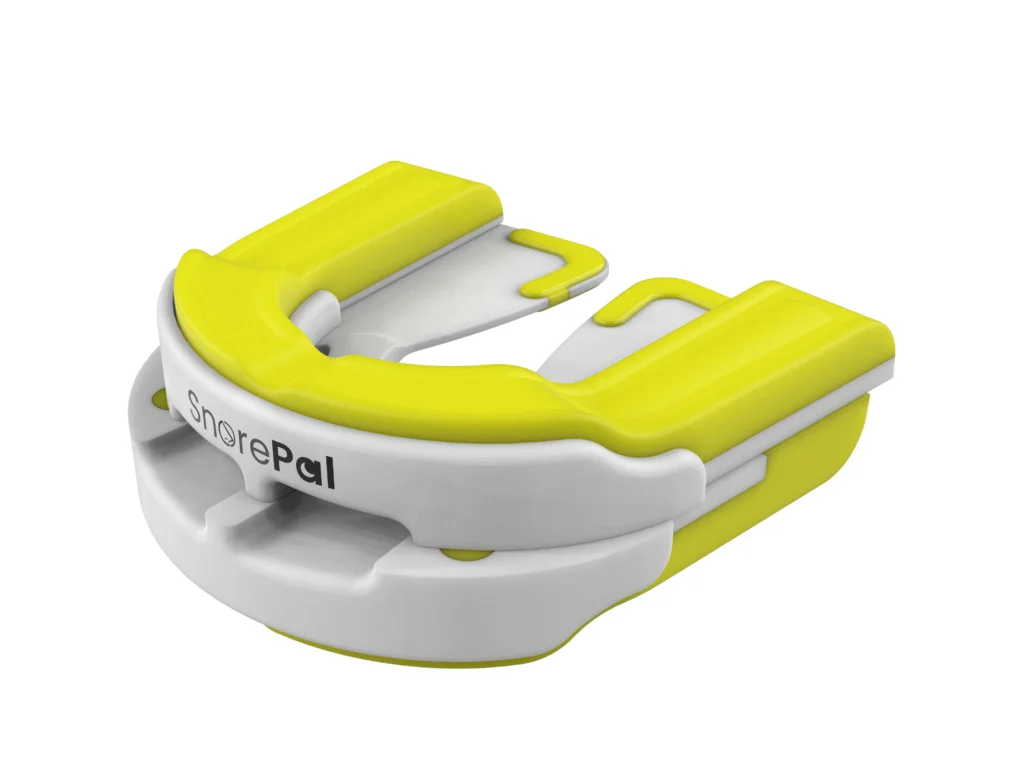
MADs are the most common type of snoring mouthpieces and are designed to hold the lower jaw in a forward position, which in turn keeps the airway open. They come in a variety of sizes and designs, and some even allow for customization based on your specific dental structure.
On the other hand, TRDs work by holding the tongue in a forward position, preventing it from falling back and blocking the airway. They are a good alternative for those who have dental issues that make it difficult to use MADs.
Snoring Mouthpieces for Travel: Keeping Your Breathing in Check on the Go
Tips for Choosing and Using a Snoring Mouthpiece for Travel
When choosing a snoring mouthpiece for travel, consider the following factors:
1. Comfort: Make sure the mouthpiece fits comfortably in your mouth and does not cause any pain or discomfort.
2. Adjustability: Look for a mouthpiece that allows for adjustments to fit your specific dental structure.
3. Material: Opt for a mouthpiece made of BPA-free materials for safety and comfort.
4. Portability: Choose a mouthpiece that is compact and easy to carry around.
When using a snoring mouthpiece for travel, it is important to follow these tips:
1. Practice using it at home before your trip to get used to it.
2. Clean the mouthpiece regularly with a toothbrush and toothpaste.
3. Store it in a clean and dry container while traveling.
4. Bring a spare mouthpiece in case of loss or damage.
In summary, snoring mouthpieces for travel are a convenient and effective solution for keeping your breathing in check while on the go. They come in different types and designs, so it is important to choose one that suits your needs and preferences. With proper usage and maintenance, a snoring mouthpiece can provide a peaceful and restful sleep for both you and your travel companions.