
Blog Post: The Role of a Snoring Mouthpiece in Reducing Risk of Heart Disease and Stroke
Snoring is a common issue that affects many people, but it is often dismissed as a minor annoyance. However, snoring can actually be a sign of a serious underlying health condition, such as sleep apnea. This condition not only disrupts a person’s sleep, but it also puts them at a higher risk for heart disease and stroke. In this blog post, we will explore the role of a snoring mouthpiece in reducing the risk of these serious health conditions.
What is Sleep Apnea?
Sleep apnea is a sleep disorder that causes a person to stop breathing for short periods of time during sleep. This can happen multiple times throughout the night, and it disrupts the natural sleep cycle. There are two main types of sleep apnea: obstructive sleep apnea (OSA) and central sleep apnea (CSA).
OSA is the most common type and is caused by a blockage in the airway, usually due to the collapse of the soft tissues in the back of the throat. CSA, on the other hand, is caused by a problem with the brain’s signals to the muscles that control breathing. Both types of sleep apnea can result in loud snoring, gasping or choking during sleep, and daytime fatigue.
The Link Between Sleep Apnea and Heart Disease
Research has shown that sleep apnea and heart disease are closely linked. People with sleep apnea are at a higher risk for developing various forms of heart disease, such as high blood pressure, coronary artery disease, and heart failure. This is because the repeated pauses in breathing during sleep can lead to a drop in oxygen levels in the blood and a rise in blood pressure, putting extra strain on the heart.
In addition, sleep apnea can also cause inflammation in the body, which is a key factor in the development of heart disease. The lack of quality sleep also impacts the body’s ability to regulate blood sugar and hormones, both of which are important for maintaining a healthy heart.
The Connection Between Sleep Apnea and Stroke
Similar to heart disease, sleep apnea has also been linked to an increased risk of stroke. The repeated pauses in breathing during sleep can trigger a surge in blood pressure and reduce the amount of oxygen in the blood, increasing the risk of a stroke.
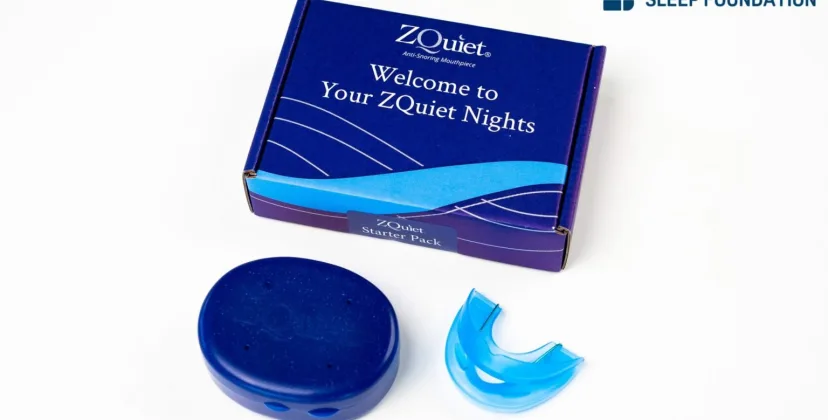
The Role of a Snoring Mouthpiece in Reducing Risk of Heart Disease and Stroke
In addition, sleep apnea can contribute to the development of atrial fibrillation (AFib), a type of irregular heartbeat that can lead to blood clots and strokes. People with sleep apnea are also more likely to have other risk factors for stroke, such as obesity, high blood pressure, and diabetes.
How a Snoring Mouthpiece Can Help
A snoring mouthpiece, also known as an oral appliance or mandibular advancement device, is a small, custom-made device that is worn in the mouth while sleeping. It works by gently repositioning the jaw and tongue to keep the airway open and prevent the soft tissues from collapsing and blocking the airway.
By keeping the airway open, a snoring mouthpiece can effectively treat sleep apnea and reduce the risk of heart disease and stroke. It can also improve the quality of sleep, as well as reduce snoring, daytime fatigue, and other symptoms of sleep apnea.
Other Benefits of a Snoring Mouthpiece
Aside from reducing the risk of heart disease and stroke, a snoring mouthpiece can also provide other health benefits. It can improve overall sleep quality, leading to better concentration, mood, and energy levels during the day. It can also help with acid reflux, as it keeps the airway open and prevents stomach acid from rising up into the throat.
In addition, a snoring mouthpiece is a non-invasive and cost-effective alternative to continuous positive airway pressure (CPAP) therapy, which is the standard treatment for sleep apnea. Many people find CPAP uncomfortable and difficult to use, making a snoring mouthpiece a more practical option for long-term use.
Conclusion
In conclusion, snoring may seem like a harmless issue, but it can be a sign of a serious health condition such as sleep apnea. The repeated pauses in breathing during sleep can increase the risk of heart disease and stroke. However, a snoring mouthpiece can effectively treat sleep apnea and reduce the risk of these conditions. It is a non-invasive and cost-effective option that can also provide other health benefits. If you or a loved one suffers from snoring or sleep apnea, consult with a dentist about getting a snoring mouthpiece to improve your overall health and well-being.
Summary: Snoring is often dismissed as a minor annoyance, but it can actually be a sign of a serious health condition called sleep apnea. This condition can increase the risk of heart disease and stroke. A snoring mouthpiece, also known as an oral appliance, can effectively treat sleep apnea and reduce the risk of these conditions. It is a non-invasive and cost-effective option that can also provide other health benefits.