
The Science Behind Snoring: Understanding the Role of a Mouthpiece
Snoring is a common problem that affects millions of people around the world. It is not only bothersome for the person snoring, but it can also disrupt the sleep of their partners and even lead to more serious health issues. While there are various factors that can contribute to snoring, one of the most effective solutions is the use of a mouthpiece. In this blog post, we will delve into the science behind snoring and understand how a mouthpiece can help alleviate this issue.
What causes snoring?
Snoring occurs when the tissues in the back of the throat relax and vibrate as air passes through, resulting in a loud noise. This can be caused by a variety of factors, including the anatomy of the mouth and throat, allergies, nasal congestion, and certain sleep positions. In some cases, snoring can also be a symptom of a more serious condition like sleep apnea.
The Role of a Mouthpiece in Reducing Snoring
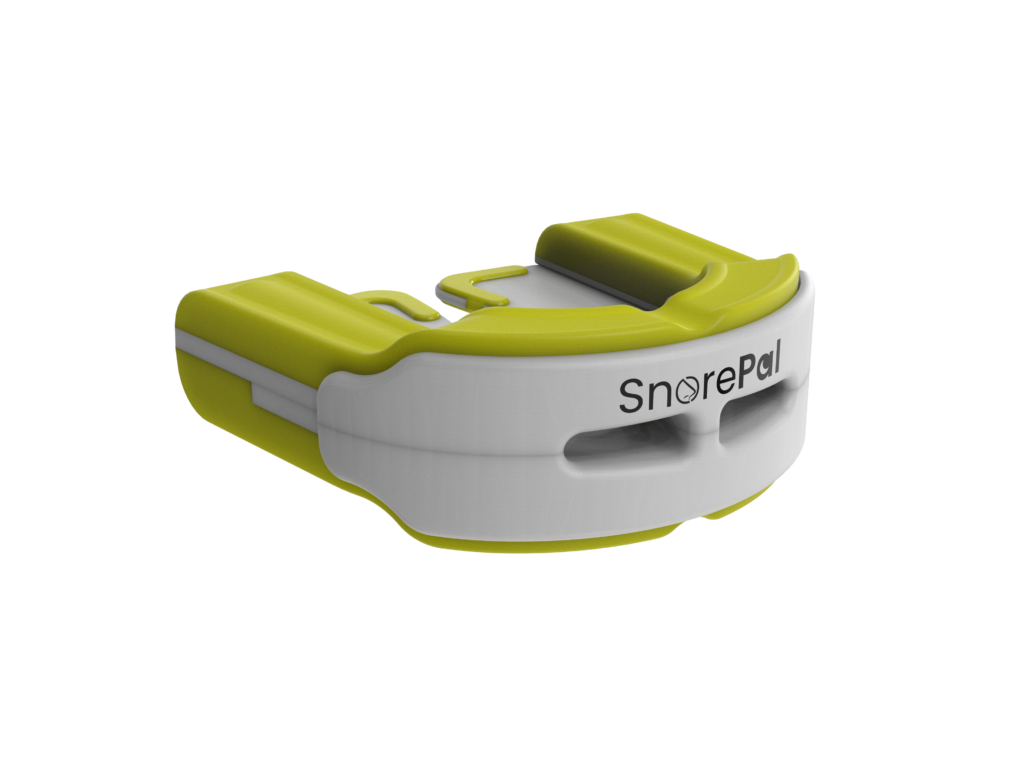
A mouthpiece, also known as a mandibular advancement device (MAD), is a dental appliance that is designed to keep the airway open during sleep. It works by positioning the jaw slightly forward, which prevents the tongue and other soft tissues from blocking the airway. This allows for a smoother flow of air and reduces or eliminates snoring.
Types of Mouthpieces
There are two main types of mouthpieces: mandibular advancement devices (MADs) and tongue retaining devices (TRDs). MADs are the most commonly used type and work by holding the lower jaw in a slightly forward position. TRDs, on the other hand, hold the tongue in place to prevent it from falling back and blocking the airway.
How Effective Are Mouthpieces?
Studies have shown that mouthpieces are an effective solution for reducing snoring. A study published in the Journal of Dental Sleep Medicine found that MADs reduced snoring by an average of 50%. Another study published in the Journal of Clinical Sleep Medicine showed that both MADs and TRDs were effective in treating mild to moderate obstructive sleep apnea.
Benefits of Using a Mouthpiece
The Science Behind Snoring: Understanding the Role of a Mouthpiece
Aside from reducing snoring, using a mouthpiece can also have other benefits. These include improved sleep quality, reduced daytime fatigue, and improved overall health. Snoring can disrupt the sleep of both the snorer and their partner, leading to poor sleep quality and fatigue throughout the day. By using a mouthpiece, the snorer and their partner can both enjoy a better night’s sleep.
Choosing the Right Mouthpiece
When it comes to choosing a mouthpiece, it is important to consult with a dentist or sleep specialist. They can recommend the best type of mouthpiece for your specific needs and ensure that it fits properly. Custom-made mouthpieces are also available, which can provide a more comfortable and effective fit compared to over-the-counter options.
Possible Side Effects of Using a Mouthpiece
While mouthpieces are generally safe to use, there are some potential side effects that may occur. These can include jaw pain, tooth discomfort, and excessive saliva production. It is important to follow the instructions provided by the dentist or manufacturer and to make any necessary adjustments to ensure comfort and effectiveness.
Other Solutions for Snoring
While mouthpieces are a popular solution for snoring, there are also other options available. These include lifestyle changes such as weight loss, avoiding alcohol before bedtime, and sleeping on your side. In cases where snoring is caused by underlying medical conditions like allergies or sleep apnea, addressing and treating these issues can also help reduce snoring.
In Conclusion
Snoring is a common issue that can have a significant impact on one’s sleep and overall health. While there are many potential causes of snoring, using a mouthpiece has been proven to be an effective solution. By understanding the science behind snoring and how a mouthpiece works, individuals can take control of their snoring and enjoy a better night’s sleep.
Summary:
Snoring is a common problem that can disrupt sleep and lead to health issues. It is caused by various factors such as anatomy, allergies, and sleep positions. A mouthpiece, or mandibular advancement device (MAD), is an effective solution for reducing snoring by keeping the airway open during sleep. There are two main types of mouthpieces: MADs and tongue retaining devices (TRDs). Studies have shown that mouthpieces are effective in reducing snoring and can also improve sleep quality and overall health. It is important to consult with a dentist or sleep specialist to choose the right mouthpiece and address any potential side effects. Other solutions for snoring include lifestyle changes and treating underlying medical conditions. By understanding the science behind snoring and using a mouthpiece, individuals can improve their sleep and overall well-being.